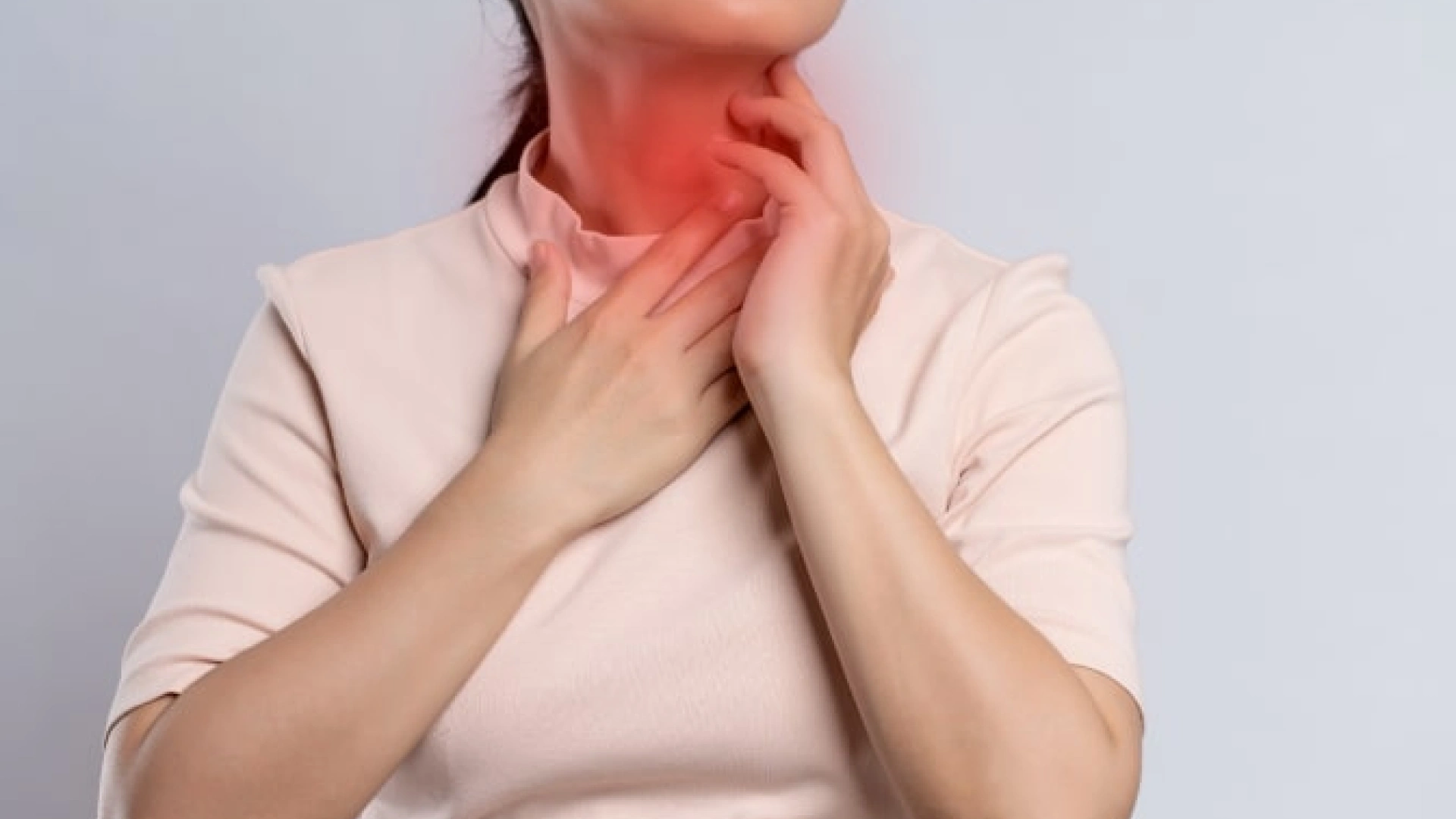
Hypothyroidism and hyperthyroidism are two common thyroid disorders affecting over 12 percent of Americans. Understanding the difference between hypothyroidism and hyperthyroidism is essential for early detection and effective treatment.
This comprehensive guide covers hyperthyroidism vs hypothyroidism, including causes, symptoms, diagnosis, and hypothyroidism treatment options. Whether you’re experiencing symptoms or seeking information, this article provides evidence-based insights to help you understand thyroid health.
Early recognition of thyroid symptoms can prevent serious complications and improve quality of life. Let’s explore what you need to know about these conditions.
What is the thyroid?
The thyroid is a small, butterfly-shaped gland located at the base of your neck, just below your Adam’s apple. Despite its small size, this endocrine gland plays a crucial role in regulating:
- Metabolism and energy production
- Body temperature regulation
- Heart rate and cardiovascular function
- Weight management
- Mood and mental clarity
- Digestive function
- Bone and muscle health
How the Thyroid Works
The thyroid produces two primary hormones:
- T4 (Thyroxine) – The inactive form that circulates in your bloodstream
- T3 (Triiodothyronine) – The active form your cells use for energy
Your pituitary gland monitors thyroid hormone levels and releases TSH (thyroid-stimulating hormone) to maintain hormonal balance. When this delicate system malfunctions, you develop either hypothyroidism (underactive thyroid) or hyperthyroidism (overactive thyroid).
Who is at Risk for Thyroid Disease?
Certain factors increase your risk of developing thyroid disorders:
High-Risk Groups
- Family history of thyroid disease
- Women over 60 (women are 5-8 times more likely than men)
- Autoimmune conditions like type 1 diabetes, lupus, or rheumatoid arthritis
- Previous thyroid treatment including surgery or radiation
- Medications high in iodine such as amiodarone
- Pregnancy and postpartum period
Additional Risk Factors
- Significant stress or trauma
- Iodine deficiency or excess
- Radiation exposure to the neck
- Certain viral infections
- Pernicious anemia or Turner syndrome
Understanding your risk factors helps you stay vigilant about thyroid symptoms and seek early medical evaluation.
Hypothyroidism: The Underactive Thyroid

What is Hypothyroidism?
Hypothyroidism occurs when your thyroid gland doesn’t produce enough thyroid hormones to meet your body’s needs. This condition slows down metabolism and affects virtually every body system.
Approximately 5 percent of Americans aged 12 and older have hypothyroidism, with the condition being significantly more common in women and increasing with age. Many cases remain undiagnosed due to subtle, gradual symptom onset.
Causes of Hypothyroidism
Hashimoto’s Thyroiditis – The most common cause of hypothyroidism. This autoimmune condition causes your immune system to attack thyroid tissue. The medical code hypothyroidism due to hashimoto’s thyroiditis icd 10 is E06.3.
Other Common Causes:
- Thyroiditis (thyroid inflammation)
- Radioactive iodine treatment for hyperthyroidism
- Thyroid surgery (partial or complete removal)
- Congenital hypothyroidism (hypothyroidism in children)
- Iodine deficiency
- Certain medications (lithium, amiodarone)
- Pituitary gland disorders
Many people ask, can stress cause hyperthyroidism or hypothyroidism? While stress doesn’t directly cause thyroid disease, chronic stress can trigger or worsen existing thyroid conditions in genetically susceptible individuals.
Hypothyroidism Symptoms: What to Watch For
Physical Symptoms:
- Persistent fatigue and low energy
- Unexplained weight gain
- Feeling cold, especially in hands and feet
- Dry skin and brittle nails
- Dry, thinning hair and hair loss
- Constipation
- Slowed heart rate
- Puffy face and swelling
Cognitive and Mental Symptoms:
- Hypothyroidism and brain fog – difficulty concentrating
- Memory problems and slowed thinking
- Hypothyroidism and anxiety – increased worry
- Depression and low mood
Musculoskeletal Symptoms:
- Muscle weakness and stiffness
- Hypothyroidism and joint problems – aches and pain
- Muscle cramps and tenderness
Other Important Symptoms:
- Heavy or irregular menstrual periods
- Fertility problems
- Elevated blood cholesterol
- Hoarse voice
- Hypothyroidism shortness of breath during activity
- Can hypothyroidism cause nausea? Yes, digestive symptoms are common
There’s also a connection between hypothyroidism and polycystic ovarian syndrome (PCOS), as both conditions affect hormonal balance and fertility.
How is Hypothyroidism Diagnosed?
Proper diagnosis involves:
Physical Examination:
- Checking for enlarged thyroid (goiter)
- Assessing reflexes (often delayed)
- Examining skin, hair, and overall appearance
- Checking heart rate and blood pressure
Blood Tests:
- TSH (Thyroid-Stimulating Hormone) – High TSH indicates hypothyroidism
- Free T4 – Measures active thyroid hormone
- Free T3 – Assesses hormone conversion
- Thyroid Antibodies – TPO and TgAb identify autoimmune disease
Additional Testing:
- Thyroid ultrasound if nodules detected
- Complete metabolic panel
- Cholesterol levels
It’s important to understand hyperparathyroidism vs hypothyroidism – these are different conditions. Hyperparathyroidism affects parathyroid glands (calcium regulation), while hypothyroidism affects the thyroid gland (metabolism regulation).
Hypothyroidism Treatment Options
- Thyroid Hormone Replacement Therapy
The primary treatment involves daily thyroid hormone medication:
- Levothyroxine (Synthroid, Levoxyl) – Most common, provides T4
- Liothyronine (Cytomel) – Provides T3, sometimes added to T4
- Combination T4/T3 Therapy – For patients with conversion issues
- Natural Desiccated Thyroid – Contains both T4 and T3
- Bioidentical Thyroid Replacement Therapy (BHRT) – Customized hormone therapy
- Nutritional Support and Supplements
Essential nutrients for thyroid health:
- Iodine – Essential for hormone production (only if deficient)
- Selenium – Supports hormone conversion
- Zinc – Necessary for thyroid function
- Vitamin D – Supports immune health
- Iron – Required for hormone synthesis
Which magnesium is best for hypothyroidism and hyperthyroidism? Magnesium glycinate is recommended for better absorption and fewer digestive side effects.
Supplements for hypothyroidism and weight loss should always be discussed with your healthcare provider to avoid interactions with thyroid medication.
- Diet for Hypothyroidism
Thyroid-supportive foods include:
- Lean proteins (eggs, fish, poultry, lean meat)
- Colorful fruits and vegetables
- Gluten-free grains and seeds
- Healthy fats (avocado, olive oil, nuts)
- Non-caffeinated beverages
Foods to Limit:
- Excessive soy products
- Raw cruciferous vegetables in large amounts
- Processed foods and refined sugars
Many people struggle with how to lose weight with hypothyroidism. The key is proper medication dosing, balanced nutrition, regular exercise, adequate sleep, and patience as metabolism normalizes.
- Lifestyle Changes for Thyroid Health
Dr. Truc Nguyen, MD, IFMCP of Conscious Medicine recommends:
- Regular exercise (mix cardio and strength training)
- Quality sleep (7-9 hours nightly)
- Stress management (meditation, yoga, deep breathing)
- Social connection and support
- Self-care practices
Some people explore homeopathic remedies for hypothyroidism as complementary approaches. While these shouldn’t replace conventional therapy, they may support overall wellness when used under professional guidance.
Hyperthyroidism: The Overactive Thyroid

What is Hyperthyroidism?
Hyperthyroidism occurs when your thyroid gland produces too much thyroid hormone, speeding up metabolism and causing body systems to work overtime.
While less common than hypothyroidism, hyperthyroidism can be more immediately dangerous if left untreated. Understanding what is subclinical hyperthyroidism is also important – this mild form shows low TSH but normal T3 and T4 levels.
Causes of Hyperthyroidism
Graves’ Disease – The most common cause of hyperthyroidism. This autoimmune condition causes antibodies to stimulate excessive thyroid hormone production. Can stress trigger hyperthyroidism? Yes, stress can trigger Graves’ disease in genetically susceptible individuals.
Other Causes:
- Toxic nodular goiter (overactive thyroid nodules)
- Thyroiditis (inflammation causing hormone release)
- Excessive iodine intake from medications or supplements
- Too much thyroid hormone medication
- Pituitary tumors (rare)
- Thyroid cancer (rare)
Hyperthyroidism Symptoms: Warning Signs
Physical Symptoms:
- Unintentional weight loss despite increased appetite
- Rapid or irregular heartbeat (palpitations)
- Increased sweating and heat intolerance
- Trembling hands and fingers
- Muscle weakness
- Frequent bowel movements or diarrhea
- Enlarged thyroid gland (goiter)
- Warm, moist skin
Cognitive and Emotional Symptoms:
- Anxiety, nervousness, and irritability
- Difficulty concentrating
- Restlessness and hyperactivity
- Mood swings
Sleep and Energy:
- Insomnia and difficulty sleeping
- Fatigue despite feeling “wired”
Eye Changes (Especially with Graves’ Disease):
- Bulging eyes (exophthalmos)
- Eye irritation and redness
- Light sensitivity
- Double vision
Some people notice distinct changes in hyperthyroidism face appearance, including a staring expression, facial flushing, and with Graves’ disease, bulging eyes and swelling around the eyes.
Diagnosing Hyperthyroidism
Comprehensive diagnosis includes:
Blood Tests:
- TSH – Low or undetectable in hyperthyroidism
- Free T4 and Free T3 – Elevated levels confirm diagnosis
- Thyroid Antibodies – TSI indicates Graves’ disease
Imaging Studies:
- Radioactive iodine uptake test
- Thyroid scan
- Thyroid ultrasound
- CT or MRI (for complex cases)
Hyperthyroidism Treatment Options
- Anti-Thyroid Medications
- Methimazole (Tapazole) – Most commonly prescribed
- Propylthiouracil (PTU) – Alternative, especially during pregnancy
- Beta-Blockers – Control rapid heart rate and tremors
- Radioactive Iodine Therapy (RAI)
- Taken orally as capsule or liquid
- Destroys overactive thyroid cells
- Permanent solution for most patients
- Often results in hypothyroidism requiring lifelong hormone replacement
- Thyroid Surgery (Thyroidectomy)
- Partial or complete thyroid removal
- Recommended for large goiters or suspicious nodules
- Requires lifelong hormone replacement after total thyroidectomy
- Hyperthyroidism Diet
A low-iodine diet may be recommended:
- Avoid iodized salt
- Limit seafood and seaweed
- Avoid dairy products
- Focus on fresh, whole foods
- Natural Treatment for Hyperthyroidism
Many people seek natural treatment for hyperthyroidism or natural therapy for hyperthyroidism as complementary approaches:
- Stress reduction – Meditation, yoga, deep breathing
- Adequate sleep – Maintain regular sleep schedule
- Avoid stimulants – Limit caffeine
- Herbal support – Lemon balm, bugleweed (under medical supervision)
- L-carnitine – May help reduce symptoms
The best thyroid support supplement for hyperthyroidism should be chosen carefully and discussed with your healthcare provider, as some supplements can interfere with treatment.
Hypothyroidism vs Hyperthyroidism: Key Differences

Understanding the difference between hypothyroidism and hyperthyroidism helps you recognize symptoms and seek appropriate care.
Quick Comparison Chart
| Aspect | Hypothyroidism | Hyperthyroidism |
| Thyroid Activity | Underactive | Overactive |
| Hormone Levels | Too low | Too high |
| TSH Levels | High | Low |
| Metabolism | Slowed down | Sped up |
| Weight | Weight gain | Weight loss |
| Energy | Fatigue | Nervousness |
| Temperature | Cold intolerance | Heat intolerance |
| Heart Rate | Slow | Fast/irregular |
| Bowel Movements | Constipation | Diarrhea |
| Mood | Depression | Anxiety |
| Common Cause | Hashimoto’s | Graves’ disease |
| Prevalence | More common (5x) | Less common |
| Treatment | Hormone replacement | Reduce production |
Similarities Between Conditions
Despite being opposite conditions, both share characteristics:
- Both affect thyroid gland and hormone production
- Both can result from autoimmune diseases
- Both require ongoing medical management
- Both significantly impact quality of life
- Both are more common in women
- Both can affect fertility and pregnancy
Which Condition is More Serious?
Neither is inherently worse – both can be serious if untreated:
Hypothyroidism:
- Generally develops slowly
- Five times more common
- Can lead to heart disease and myxedema coma
- Usually easier to treat with daily medication
Hyperthyroidism:
- Often develops more rapidly
- Can quickly become life-threatening (thyroid storm)
- May cause heart problems and osteoporosis
- Treatment options more varied
Living with Thyroid Disease: Management Tips
Long-Term Management Strategies
Medication Compliance:
- Take medication at the same time daily
- On an empty stomach (usually)
- Wait 30-60 minutes before eating
- Avoid taking with calcium, iron, or certain supplements
Regular Monitoring:
- Blood tests as recommended
- Annual physical examinations
- Monitoring for complications
- Adjusting treatment as needed
Lifestyle Optimization:
- Maintain healthy weight
- Exercise regularly
- Manage stress effectively
- Get adequate sleep (7-9 hours)
- Eat nutrient-rich diet
When to Seek Immediate Medical Attention
Hypothyroidism Warning Signs:
- Severe fatigue or confusion
- Difficulty breathing
- Chest pain
- Severe depression
- Extreme cold sensitivity
Hyperthyroidism Warning Signs:
- Rapid heartbeat over 140 bpm
- Chest pain or pressure
- High fever over 104°F
- Severe tremors
- Vision changes
- Confusion or delirium
Thyroid Storm (Medical Emergency):
- Requires immediate emergency care
- Can be life-threatening
Conclusion: Take Control of Your Thyroid Health
Understanding the difference between hypothyroidism and hyperthyroidism empowers you to recognize symptoms, seek timely diagnosis, and pursue effective treatment. Whether dealing with hyperthyroidism vs hypothyroidism, both conditions are manageable with proper medical care.
Get Expert Thyroid Care
At Conscious Medicine, we specialize in comprehensive thyroid care using a functional medicine approach. We address root causes, optimize hypothyroidism treatment options, and support your overall wellness.
Ready to take control of your thyroid health? Contact Conscious Medicine today to schedule your consultation and start your journey to optimal thyroid function.
Medical Disclaimer: This article is for informational purposes only and does not constitute medical advice. Always consult with qualified healthcare professionals for diagnosis and treatment of thyroid conditions.
Frequently Asked Questions
How do you know if you have hyperthyroidism or hypothyroidism?
Hyperthyroidism = “Too fast” – Symptoms include weight loss, anxiety, rapid heartbeat, sweating, feeling jittery, and heat intolerance.
Hypothyroidism = “Too slow” – Symptoms include fatigue, weight gain, dry skin, hair loss, feeling cold, and low mood.
The only definitive way to know is through blood tests measuring TSH, T4, and T3 levels.
Is high TSH hypo or hyper?
High TSH = Hypothyroidism. Your brain produces more TSH to push your underactive thyroid to work harder.
Low TSH = Hyperthyroidism. Your brain reduces TSH because your thyroid is already producing too much hormone.
What is usually the first symptom of hypothyroidism?
The most common early symptom is persistent fatigue – feeling tired no matter how much you sleep. Other early signs include unexplained weight gain, feeling cold, and dry skin.
Which is easier to treat: hypothyroid or hyperthyroid?
Generally, hypothyroidism is easier to treat. You simply replace the missing hormone with a daily pill. Treatment is straightforward and well-tolerated by most people.
Hyperthyroidism treatment is more complex, with options including medication, radioactive iodine, or surgery.
Can stress cause hyperthyroidism or hypothyroidism?
Stress doesn’t directly cause thyroid disease, but it can trigger or worsen existing conditions. Can stress trigger hyperthyroidism? Yes, particularly Graves’ disease in genetically susceptible people. Stress management is an important part of thyroid health.
How do I lose weight with hypothyroidism?
Weight loss with hypothyroidism requires:
- Proper thyroid medication at optimal dose
- Balanced, nutrient-dense diet
- Regular exercise (cardio and strength training)
- Adequate sleep (7-9 hours)
- Stress management
- Patience – metabolism normalizes gradually
Supplements for hypothyroidism and weight loss may help but should be discussed with your doctor.
Which magnesium is best for hypothyroidism and hyperthyroidism?
Magnesium glycinate is often recommended because it’s well-absorbed and less likely to cause digestive upset. Magnesium supports thyroid function, energy production, and stress management. Take it at least 4 hours apart from thyroid medication.
What is subclinical hyperthyroidism?
Subclinical hyperthyroidism is a mild form where TSH is low but thyroid hormone levels (T3 and T4) are still normal. It may not cause obvious symptoms but can increase risks for heart problems and osteoporosis. Regular monitoring is important.
Can hypothyroidism cause nausea?
Yes, can hypothyroidism cause nausea. Digestive symptoms including nausea, bloating, and constipation are common with hypothyroidism due to slowed metabolism affecting the digestive system.
What are homeopathic remedies for hypothyroidism?
Some people explore homeopathic remedies for hypothyroidism as complementary approaches. Common remedies include Calcarea carbonica, Sepia, and Lycopodium. However, these should not replace conventional thyroid hormone replacement therapy. Always work with qualified healthcare providers.
What natural treatments are available for hyperthyroidism?
Natural treatment for hyperthyroidism and natural therapy for hyperthyroidism include stress reduction, adequate sleep, low-iodine diet, avoiding stimulants, and herbal support under supervision. The best thyroid support supplement for hyperthyroidism should be chosen with medical guidance. These should complement, not replace, conventional treatment.