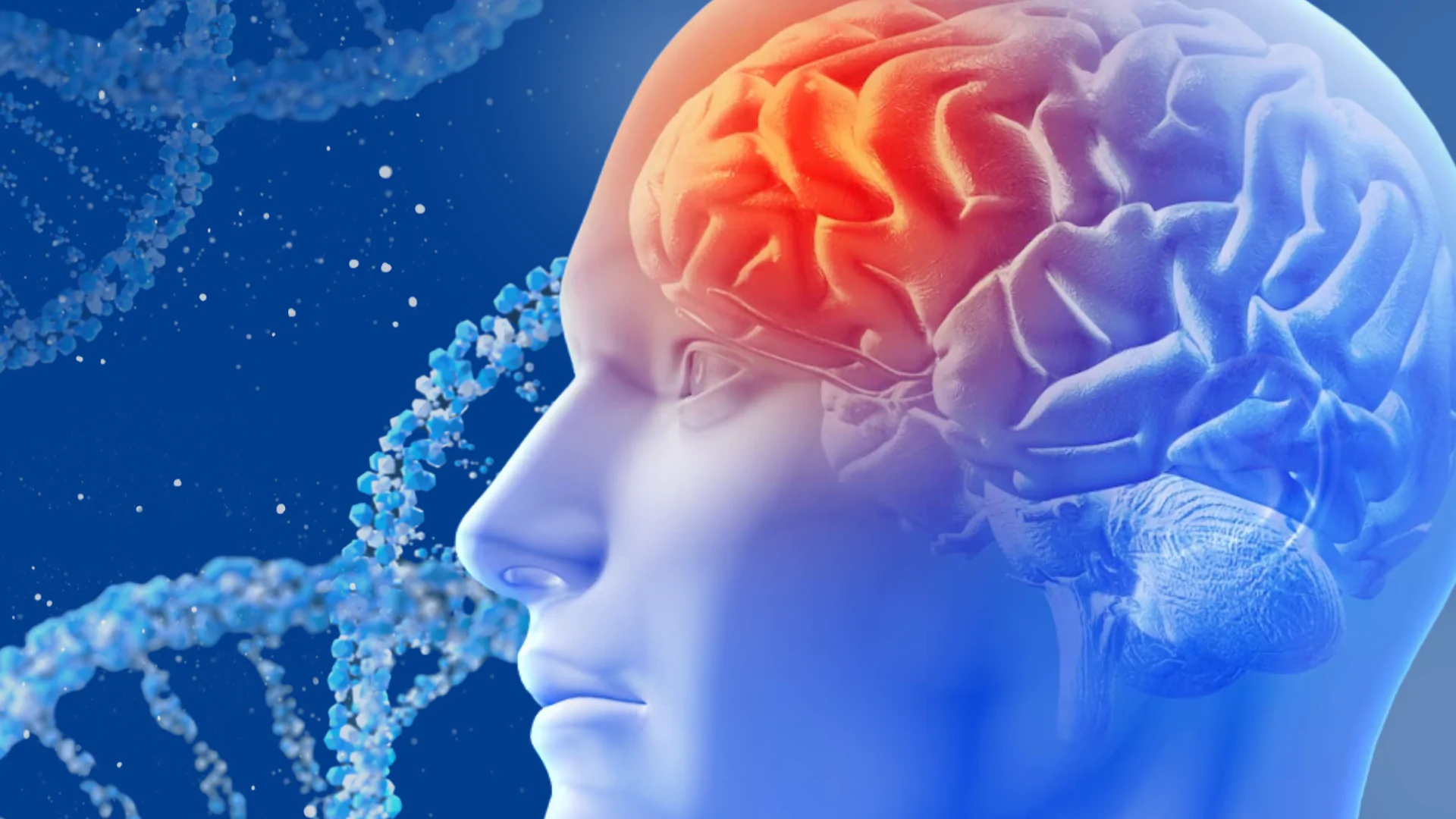
The Epstein-Barr virus (EBV) affects nearly 90% of the global population. Despite how common it is, many people are unaware that it can sometimes lead to serious neurological complications. Symptoms such as brain fog, nerve pain, and cognitive changes are often overlooked or misdiagnosed. These epstein barr virus neurological symptoms can significantly affect quality of life if not recognized early.
In this 2026 guide, we explain how the Epstein-Barr virus impacts the nervous system, why neurological symptoms occur, and what current evidence suggests about managing these complications.
In this blog post, we focus specifically on the neurological effects of EBV. We explore the range of symptoms it can cause, the biological mechanisms behind nerve involvement, and ways to manage and reduce long-term impact. If you or someone you know has been diagnosed with EBV, this article provides essential information to help understand symptoms and support overall health and well-being.
What is the Epstein-Barr virus?
The Epstein-Barr virus (EBV) is a common virus belonging to the herpesvirus family. It is one of the most widespread human viruses, and most people will contract it at some point in their lives. EBV is primarily transmitted through bodily fluids, especially saliva.
For many people, the infection causes mild or unnoticed illness. However, in others, it can lead to noticeable epstein barr virus symptoms, including fatigue, fever, sore throat, and swollen lymph nodes. In some cases, EBV is associated with more serious conditions such as infectious mononucleosis, Hodgkin’s lymphoma, and nasopharyngeal carcinoma.
What Are the Neurological Symptoms of Epstein-Barr Virus?

The epstein barr virus neurological symptoms vary greatly from person to person. Some individuals experience mild issues such as headaches or difficulty concentrating, while others may develop more serious neurological complications.
Common early neurological symptoms include headaches, dizziness, persistent fatigue, and cognitive impairment. In more severe cases, EBV has been linked to conditions such as encephalitis and multiple sclerosis.
Encephalitis is a rare but serious complication in which EBV causes inflammation of the brain. Symptoms may include fever, confusion, seizures, and loss of consciousness. This condition can be life-threatening and requires immediate medical attention.
Multiple sclerosis (MS) is an autoimmune disease affecting the central nervous system. Although the exact cause of MS is still unknown, research suggests that infection with the Epstein-Barr virus may increase the risk of developing MS later in life.
EBV can affect the brain, spinal cord, and peripheral nerves. These neurological symptoms may appear during an active infection, during EBV reactivation, or even years later in individuals with chronic epstein barr virus.
Common Neurological Symptoms Include:
- Extreme fatigue – the most frequent symptom and one that can last for months
- Severe headaches – often persistent and difficult to treat
- Dizziness and balance problems – making everyday activities difficult
- Cognitive impairment – including memory issues, brain fog, and trouble concentrating
- Sleep disorders – chronic insomnia and disrupted sleep cycles
- Mood changes – such as depression, anxiety, and emotional instability
Severe Neurological Conditions Caused by EBV:
- Encephalitis – inflammation of the brain with fever, confusion, and seizures
- Viral meningitis – infection of the membranes surrounding the brain and spinal cord
- Multiple sclerosis – EBV may act as a trigger.
- Optic neuritis – inflammation of the optic nerve
- Guillain-Barré syndrome – immune-related nerve damage
- Facial nerve palsies – loss of facial muscle control
- Transverse myelitis – inflammation of the spinal cord
- Acute cerebellar ataxia – loss of coordination
- Hemiplegia – paralysis on one side of the body
- Psychoses – loss of contact with reality
EBV Neurological Symptoms Checklist
- Persistent brain fog or cognitive impairment
- Numbness or tingling in the arms or legs
- Headaches or migraines
- Memory difficulties
- Tremors or muscle weakness
- Mood changes or depression
- Sleep disturbances
How EBV Affects Your Nervous System?
The epstein barr virus can affect the nervous system in several ways. In some cases, the virus directly infects nerve cells. In others, the immune response triggered by EBV mistakenly attacks healthy nervous tissue.
This process may involve:
- Direct viral infection of nerve cells
- Autoimmune reactions targeting the nervous system
- Chronic inflammation that slowly damages nerve tissue
Over time, this inflammation can worsen neurological symptoms, especially in individuals with chronic epstein barr or repeated viral reactivation.
When to Seek Medical Help?
You should contact a healthcare provider immediately if you experience:
- Severe headaches accompanied by fever
- Confusion or sudden memory loss
- Seizures or loss of consciousness
- Sudden weakness or paralysis
- Vision problems or double vision
- Difficulty speaking or swallowing
Recognizing Active Epstein-Barr Virus Infection and Epstein Barr Virus Reactivation Symptoms
Symptoms of active infection or Epstein Barr Virus reactivation may include:
- Extreme fatigue
- Fever
- Sore throat
- Swollen lymph nodes
- Enlarged spleen
- Swollen liver
- Skin rashes
- Stress-related flare-ups
- Autoimmune conditions such as Hashimoto’s thyroiditis
Who Is at Risk for Developing Neurological Symptoms?
According to the Centers for Disease Control and Prevention, approximately 95% of adults between the ages of 35 and 40 carry EBV. While most never develop complications, people with weakened immune systems, autoimmune diseases, or prolonged stress are at higher risk of neurological symptoms.

How does the virus spread?
The epstein barr virus spreads mainly through saliva and other bodily fluids. Infectious mononucleosis is one of the most well-known illnesses caused by EBV.
The virus can also spread through shared personal items, sexual contact, blood transfusions, and organ transplants. After symptoms resolve, EBV becomes dormant in the body. However, it may reactivate later, allowing carriers to spread the virus again and experience Epstein Barr Virus reactivation symptoms.
Mechanisms of EBV Neurological Symptoms
The exact mechanisms by which EBV affects the nervous system are still being studied. Research suggests the virus can infect different types of nerve cells and activate immune pathways that cause inflammation.
One proposed mechanism involves autoantibodies. These immune proteins may mistakenly attack healthy nerve cells in some individuals with chronic epstein barr virus, leading to long-term neurological symptoms.
What conditions are caused by EBV?
EBV can affect the brain, spinal cord, and peripheral nerves, contributing to:
- Viral meningitis
- Optic neuritis
- Transverse myelitis
- Facial nerve palsies
- Guillain-Barré syndrome
- Acute cerebellar ataxia
- Hemiplegia
- Sleep disorders
- Psychoses
Despite this wide range of possible conditions, extreme fatigue remains the most common symptom across nearly all EBV-related illnesses.
Diagnosis and Treatment
Diagnosing epstein barr virus neurological symptoms can be difficult because they often resemble other neurological disorders. Doctors may use blood tests, imaging scans, and spinal fluid analysis. Understanding how to read Epstein-Barr test results helps distinguish between past infection, active disease, and chronic epstein barr virus.
There is currently no cure for EBV. Treatment focuses on managing symptoms through rest, pain relief, and anti-inflammatory medications. In some cases, antiviral drugs may be prescribed.

What kills Epstein-Barr virus?
One of the most effective ways to kill EBV is to support the immune system. The immune system is the body’s natural defense against viruses and other pathogens. When it is strong and functioning properly, it can effectively kill off the virus and prevent it from causing complications.
Consuming a well-balanced diet high in whole grains, lean proteins, and fruits and vegetables is crucial to promote a robust immune system and adopting a healthy lifestyle. Nutrient-rich foods provide the body with the necessary vitamins and minerals to function properly and fight off infections.
Regular exercise can also help support the immune system by reducing stress and promoting overall health. Exercise helps to increase blood flow, which can help carry immune cells throughout the body to fight off infections.
Getting enough sleep and rest is also essential for supporting the immune system. Lack of sleep can weaken the immune system and make it more difficult for the body to fight infections.
In addition to supporting the immune system, several natural remedies can help kill EBV. These include:
Lysine: Lysine is an amino acid that inhibits the growth of EBV. Lysine supplements are readily available for oral consumption.
Lemon balm: Lemon balm is an herb that has antiviral properties and is effective in killing off EBV. Supplement or tea form is available for lemon balm.
Licorice root: Licorice root has antiviral properties and inhibits the growth of EBV. Licorice root is available in supplement or tea form.
OM Mushroom Master Blend: Boost your daily health with Om’s special Mushroom Master Blend. It has a selection of 10 organic mushroom powders handpicked by our expert mycologist. Our mushroom powder is made from whole foods, so you get all the natural active compounds. Additionally, included are 35% Beta Glucans standardized organic Reishi whole food extract and 3 organic botanical adaptogens — Ginkgo biloba for the brain, Holy Basil for antioxidants and anti-inflammation, and Astragalus for immune and energy support.
Echinacea: Echinacea is an herb with immune-boosting properties and effectively fights off viral infections such as EBV. Tea and supplements made from echinacea are available.
You may want to try the following supplements:
Daily Immune – is a dietary supplement that aims to provide enhanced immune defense support.
Biocidin Botanicals Biotonic – Daily Adaptogenic Elixir – Biotonic Daily Adaptogenic Elixir is a herbal formula that aims to enhance the effectiveness of Biocidin. It is inspired by two commonly used herbal formulas in Traditional Chinese Medicine that address digestive issues, fatigue, poor assimilation, and weak immune response that have been used for centuries.
Ascorbic Acid – is a powerful antioxidant and offers a wide range of support for the human body. It supports numerous physiological functions, including vascular integrity and immune function.
High-dose intravenous vitamin C is an effective treatment for infection with the Epstein-Barr virus. Dr. Truc Nguyen, an Integrative Functional Medicine Atlanta practitioner at Conscious Medicine, advises getting laboratory testing done before getting the drip.
*Please check with your healthcare provider before taking these.

What Are the 4 Stages of Epstein-Barr Virus?
Clinicians often describe four stages of EBV:
- Initial exposure
- Acute infection
- Dormant or latent phase
- Reactivation or chronic phase
Understanding what the 4 stages of Epstein-Barr virus are explains why symptoms may return years after the initial infection.
What Is the Life Expectancy of Someone With Epstein-Barr Virus?
A common concern is what is the life expectancy of someone with epstein-barr virus. In most cases, EBV does not shorten lifespan. However, unmanaged chronic Epstein-Barr virus can significantly impact quality of life, making early diagnosis and ongoing care important.
Real-World Experience: What We See in Practice?
In functional and integrative medicine settings, patients often arrive after months or years of unexplained fatigue, brain fog, or neurological symptoms. Many report being told their labs were “normal” despite ongoing symptoms.
In multiple cases, comprehensive EBV antibody testing revealed reactivation or chronic epstein barr virus, helping explain persistent neurological complaints. Addressing immune dysfunction, nutrient deficiencies, and stress patterns frequently led to measurable improvement over time.
Final Note
The Epstein-Barr virus can affect far more than the immune system. Its neurological effects range from mild cognitive changes to serious autoimmune and nerve-related conditions. With early recognition, proper testing, and comprehensive care, many people experience improvement even in cases of chronic epstein barr.
FAQ’s
1. Can Epstein-Barr virus cause neurological symptoms?
Yes. While EBV primarily causes infectious mononucleosis (“mono”), it can occasionally affect the nervous system. Neurological symptoms are rare but possible, especially in severe or prolonged infections.
2. What are the neurological symptoms of mononucleosis?
Neurological symptoms can include:
Headaches
Confusion or difficulty concentrating
Dizziness or balance problems
Numbness or tingling in the limbs
In rare cases: meningitis, encephalitis, or neuropathy
Most people with mono do not experience these symptoms.
3. What does an EBV flare feel like?
An EBV flare can feel like:
Fatigue and weakness
Fever and body aches
Sore throat or swollen lymph nodes
Brain fog or difficulty concentrating
Occasionally mild neurological symptoms such as headaches or tingling
4. Does EBV cause neuroinflammation?
Yes, EBV can trigger neuroinflammation in some cases, particularly if the virus affects the nervous system. This inflammation can contribute to symptoms like cognitive difficulties, headaches, or neuropathy.
5. Can Epstein-Barr cause mental issues?
EBV can indirectly affect mental health. Fatigue, “brain fog,” and chronic immune activation may contribute to anxiety, depression, or cognitive difficulties during or after infection.
6. What is mono neuropathy?
Mono neuropathy refers to nerve-related complications that occasionally occur after an EBV infection. Symptoms can include:
Numbness or tingling in the hands or feet
Muscle weakness
Pain or discomfort along affected nerves
It is uncommon but can occur in severe or prolonged cases.