By Dr. Tru Nguyen, MD, IFMCP. Functional and Integrative Medicine Physician, Conscious Medicine.
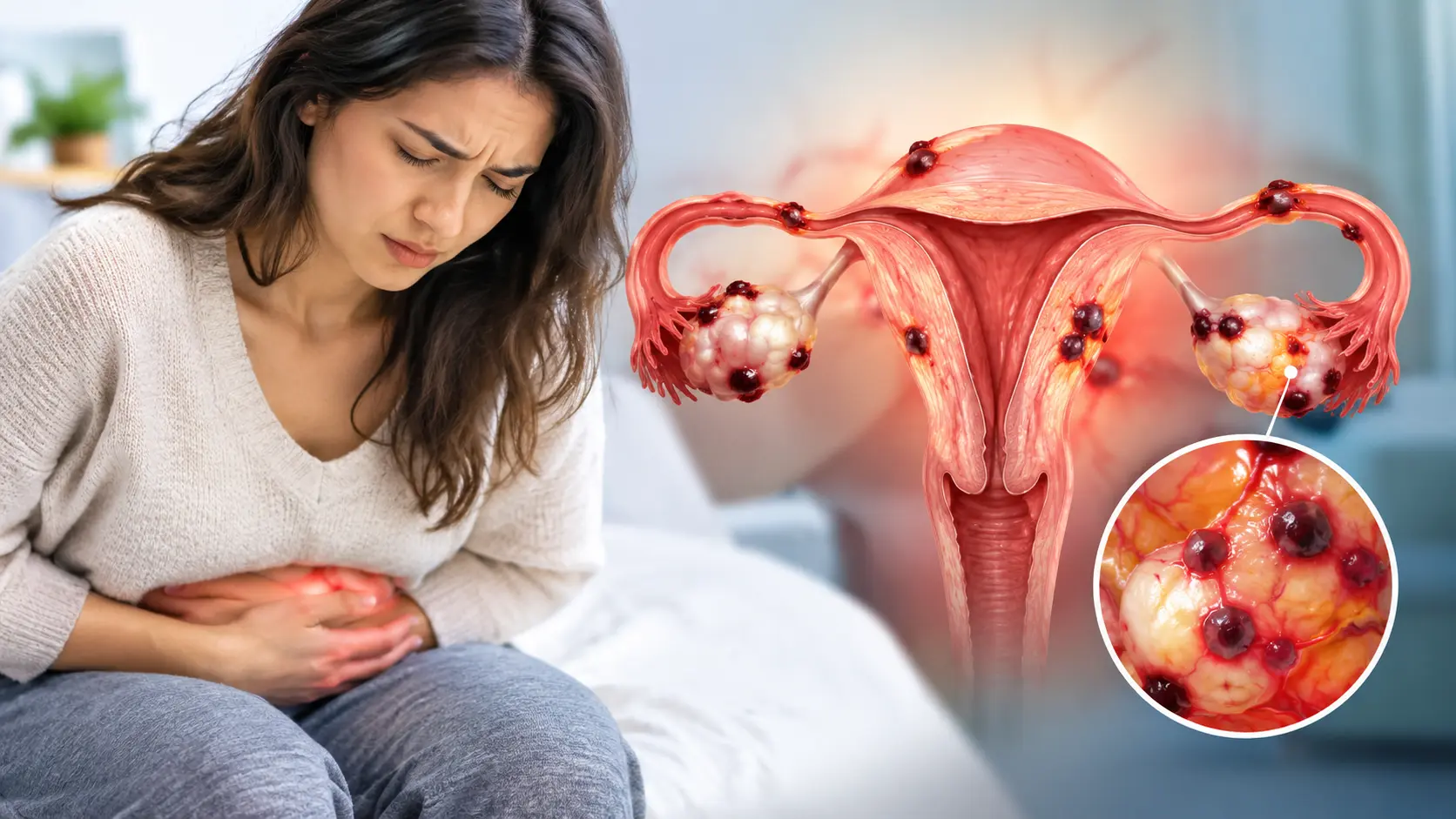
Endometriosis isn’t cancer, and it doesn’t travel through the bloodstream the way a tumor does. By itself, it won’t kill anyone the way a heart attack does.
Where things go wrong is when it sits undiagnosed for years, or when a complication doesn’t get treated in time. Deaths tied to endometriosis are uncommon, and most could have been avoided with earlier care.
On average, a woman goes 8 to 10 years between her first symptom and an actual diagnosis. That’s a long time for something to quietly get worse.
Dr. Dan Martin, Scientific and Medical Director of the Endometriosis Foundation of America, put a number on this in an interview once: roughly 1 in a million, if you have normal access to healthcare. Take that access away, though, and a bowel obstruction from endometriosis can be enough to kill someone.
Most of the harm comes from years of pain being dismissed. That gives the disease room to damage tissue, block organs, and leave permanent changes behind while women are told this is just what periods are like.
KEY TAKEAWAYS
- Endometriosis doesn’t directly kill you, though untreated complications sometimes turn deadly.
- Diagnosis takes 8 to 10 years on average, and most of the damage happens during that wait.
- Bowel obstruction, ruptured ectopic pregnancy, and severe internal bleeding are the complications worth knowing about.
- Fatigue from endometriosis is a documented, biological problem, not just tiredness.
- Because estrogen fuels it, endometriosis rarely resolves without treatment.
- Men can get it too, though almost always from long-term estrogen therapy.
What Does Endometriosis Feel Like?
There isn’t one version of this. A woman might describe a burning ache that never fully lifts, even once her period is over. Another might describe cramping so bad she vomits or blacks out. Some women with confirmed, advanced disease barely feel anything at all.
Common symptoms:
- Cramping far worse than a typical period
- Pelvic pain that lingers for days after the period ends
- Sharp pain during or after sex
- Pain while urinating or during a bowel movement, especially around your period
- Lower back pain with no obvious cause
- Bloating severe enough to change how your clothes fit, sometimes called “endo belly”
- Spotting between periods
A patient of ours, a 32-year-old middle school teacher, had Stage 3 endometriosis for nine years before anyone caught it. She told us:
“I thought I just had a low pain tolerance. My mom said her periods were bad too, so I figured this was normal.”
Two doctors had already sent her home without answers. Her first ultrasound with us found endometriomas on both ovaries.
Pain and stage don’t line up the way you’d expect. Plenty of Stage 1 patients hurt more than Stage 4 patients do. Staging just measures how far the lesions have spread, not how much a person is suffering, and that gap is a big part of why women get told nothing’s wrong.
Life-Threatening Complications of Endometriosis
Most women with endometriosis never run into these. The risk rises mainly in cases left unmanaged for years.
Bowel Obstruction
When lesions grow on the bowel, scar tissue builds up around them and slowly narrows the passage. Eventually, in bad enough cases, waste stops moving through altogether; that’s an emergency, not something to wait out.
Watch for bloating, an inability to pass gas, nausea, vomiting, and pain spreading across the lower abdomen. Together, those symptoms mean an ER visit, not a call to your regular doctor.
A 2019 case in the World Journal of Clinical Cases involved a 38-year-old woman who arrived with a complete obstruction from endometriosis and needed emergency bowel resection. She’d had pelvic pain for six years before that, and nobody had checked whether her bowel was involved.
Ectopic Pregnancy
Endometriosis often damages the fallopian tubes, and a damaged tube sometimes lets a fertilized egg implant where it shouldn’t. That’s an ectopic pregnancy. The embryo can’t survive there, and without intervention, the tube eventually ruptures.
A rupture causes sudden, heavy internal bleeding, and without emergency care, that bleeding can be fatal within hours. Studies put the ectopic pregnancy risk two to three times higher in women with endometriosis than in women without it.
Internal Bleeding from Ruptured Cysts
Endometriomas fill with old blood and inflammatory debris over time. When a large one bursts, that material spills into the pelvis, causing sharp pain and acute bleeding on the spot.
Sometimes the bleeding doesn’t stop by itself. There are recorded cases of women going into hemorrhagic shock from a ruptured endometrioma and needing surgery and a transfusion to recover.
Peritonitis
The peritoneum lines the inside of the abdomen, and endometriosis can affect it directly. If infection develops there, it spreads across the whole abdominal cavity as peritonitis, which can progress into sepsis. Sepsis kills quickly without aggressive treatment.
Chronic Anemia
Heavy periods are common with endometriosis, and losing that much blood every month wears down iron stores and hemoglobin over time. Severe anemia brings exhaustion, shortness of breath, heart palpitations, and a foggy head. Left untreated for years, it puts real strain on the heart.
A 2022 study in the Journal of Minimally Invasive Gynecology found hemoglobin levels significantly lower in women with advanced endometriosis compared to women without it. Treating the anemia only works once someone deals with the source of the bleeding.
What Happens If Endometriosis Is Left Untreated?
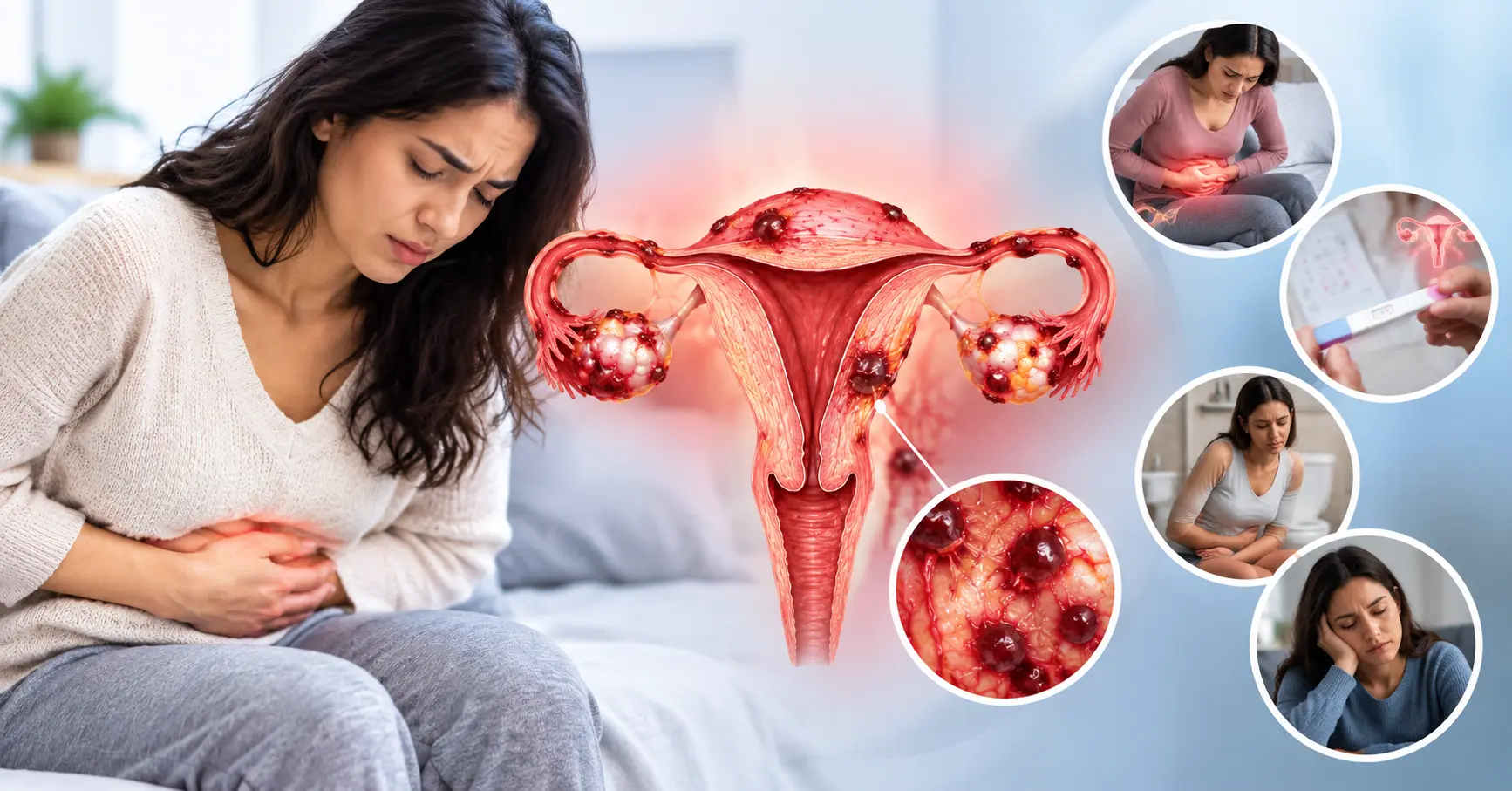
Without treatment, lesions keep reacting to the hormonal cycle month after month. Tissue grows, breaks down, and bleeds, with nowhere for that blood to go. Inflammation piles up. Scar tissue forms. Adhesions start connecting organs that shouldn’t be touching.
In advanced cases, the uterus, ovaries, tubes, bladder, and sometimes part of the bowel end up physically stuck together. Everything works a little differently after that, and the pain tends to get worse over time rather than better.
A 2020 analysis in Fertility and Sterility put the fertility impact at 30 to 50 percent of women with endometriosis having trouble conceiving. Not a guarantee for everyone, but the odds rise the longer a diagnosis is delayed.
There’s also a documented, if modest, link to ovarian cancer. Research in the British Journal of Cancer found a slightly elevated risk of clear cell and endometrioid ovarian carcinoma in women with endometriosis. The absolute numbers stay small, but it’s enough reason for regular monitoring.
One case from our own practice shows what a decade of delay can add up to. A 39-year-old accountant came to Conscious Medicine after ten years of being told her pain was IBS or anxiety. She’d already been through three rounds of antidepressants by the time anyone finally ordered a pelvic ultrasound. It showed Stage 4 endometriosis, bowel adhesions, endometriomas on both ovaries, and compression on her left ureter that had started affecting kidney drainage. Surgery had to happen before we could even begin a root-cause workup; nine years of untreated disease had gone that far.
Catch it earlier, and none of this is guaranteed. Treatment stays simpler, damage stays smaller, and the disease has less time to do permanent harm.
Endometriosis Fatigue: Why It Happens and How It Affects Daily Life
This symptom gets talked about the least and disables people the most.
Sleep doesn’t fix it. Women get eight or nine hours and wake up just as drained. It gets labeled burnout, or depression, when really the cause is physical and usually visible in bloodwork if anyone runs the right tests.
A few things drive it. Chronic inflammation is one — the immune system stays switched on trying to manage tissue growing where it doesn’t belong, and that costs energy the body doesn’t have to spare.
Broken sleep from pain is another; pelvic pain and cramping interrupt rest through the night, and missed recovery cycles add up over months. Iron deficiency anemia plays a role too, since heavy bleeding lowers hemoglobin and less hemoglobin means less oxygen reaching muscles and organs.
And prostaglandins, the hormone-like compounds behind period cramping and nausea, run high in endometriosis tissue and contribute to fatigue that outlasts the cycle itself.
A 2020 survey from the World Endometriosis Research Foundation asked 1,200 women with confirmed diagnoses about this. Eighty-seven percent said fatigue hit them daily or almost daily. Sixty-nine percent said it affected their work. Forty-two percent had cut their hours or quit a job entirely because of it.
Those aren’t small numbers, and they point to something bigger than tiredness careers interrupted, income lost, over a symptom most doctors never think to ask about.
At Conscious Medicine, we look at the hormonal, immune, and nutritional factors behind this fatigue, specifically iron levels, inflammatory markers like CRP and IL-6, cortisol patterns, and sleep quality. Addressing those alongside standard treatment tends to bring the overall inflammatory load down.
Does Endometriosis Go Away on Its Own?
No, not for most women.
Estrogen keeps the disease going. As long as your body is producing it, the lesions have what they need to persist. They don’t typically disappear some go quiet for a while, but full resolution without treatment is rare.
Mild, superficial lesions sometimes shift a little with the menstrual cycle. Endometriomas, deep infiltrating disease, and lesions that have already formed adhesions don’t behave that way, and they need active management.
Once natural menopause hits and the ovaries stop making estrogen, symptoms often ease up. What happens with endometriosis after menopause, including how hormone replacement therapy factors in, is a big enough topic to deserve its own page.
Sitting back and hoping it resolves isn’t a great plan for most women, since the disease usually progresses when left alone.
Treatment generally involves hormonal medication, surgical removal of lesions, and a root-cause look at the inflammation and estrogen dominance keeping the whole thing going. A functional medicine workup examines why estrogen metabolism is off track and which inflammatory pathways are driving symptoms, working alongside standard gynecologic care rather than replacing it.
Can Men Have Endometriosis?
Yes, though it’s rare and shows up almost exclusively in men on long-term, high-dose estrogen therapy, usually for prostate cancer treatment. With enough sustained external estrogen exposure, endometrial-like tissue can implant outside the uterus even in a body that doesn’t have one.
The first well-documented case appeared in the Journal of Urology in 1980, in a 77-year-old man on estrogen therapy for prostate cancer who developed endometriosis in his inguinal hernia sac. Almost every case reported since fits the same pattern: long-term, high-dose exogenous estrogen.
If you’re a man dealing with unexplained pelvic pain and you haven’t been on long-term estrogen treatment, endometriosis probably isn’t the answer. Prostatitis, pelvic floor issues, and hernias are far more likely, and your doctor should look at those first.
Frequently Asked Questions
Can endometriosis kill you if left untreated?
Rarely on its own about 1 in a million with normal access to healthcare, according to Dr. Dan Martin. The real risk comes from complications like bowel obstruction, ruptured ectopic pregnancy, and severe internal bleeding, none of which are guaranteed but all of which become more likely the longer the disease goes unmanaged.
Is endometriosis considered a life-threatening disease?
Not in the way cardiac disease or cancer are classified. It’s a chronic inflammatory condition, and the danger comes from specific complications rather than the disease’s ordinary course in women receiving care.
Can endometriosis cause cancer?
It isn’t cancer, but there’s a documented link to certain ovarian cancers, specifically clear cell and endometrioid carcinoma. A 2021 meta-analysis in Gynecologic Oncology confirmed the increase is real but small. Most women with endometriosis never develop ovarian cancer, and regular ultrasound monitoring is the standard recommendation regardless.
How serious is Stage 4 endometriosis?
It’s the most advanced classification under the ASRM staging system, involving large endometriomas, dense adhesions, and lesions spread across pelvic organs. That doesn’t always mean more pain some Stage 4 patients hurt less than Stage 2 patients do. What it usually does mean is more structural damage, a higher chance of bowel involvement, tougher fertility odds, and more complicated surgery if treatment is needed.
Does endometriosis affect life expectancy?
There’s no solid evidence it shortens lifespan directly, though researchers are still studying the long-term cardiovascular effects of chronic inflammation and the small cancer risk mentioned earlier. What’s clear is the toll it takes on quality of life: pain, fatigue, infertility, repeat surgeries, all wearing on someone’s work, relationships, and mental health over years.
Take the Next Step for Your Health With Conscious Medicine
Endometriosis isn’t a death sentence. It’s also not something worth ignoring.
If a doctor has told you your pain is normal, or you already have a diagnosis and want to understand what’s actually driving your symptoms beyond hormonal suppression, Conscious Medicine works alongside your gynecologist to dig into the biological root causes.
We look at estrogen metabolism, inflammatory markers, immune function, gut health, and nutritional gaps the conditions that let this disease keep going. None of that cures endometriosis, but it changes the environment your body is dealing with day to day.
Book a consultation with Dr. Tru Nguyen at Conscious Medicine, or start with our Proactive Women’s Wellness Assessment:
The point is understanding your full hormonal and inflammatory picture, not managing symptoms indefinitely without ever getting answers.