
Weight gain during menopause is one of the most common and frustrating challenges women face. As estrogen levels decline, your metabolism slows, fat distribution shifts to your midsection, and the pounds seem to appear despite your best efforts.
A well-designed menopause diet plan can help you manage weight, reduce hot flashes, improve mood, support bone health, and feel more like yourself again. Unlike restrictive diets that leave you hungry and frustrated, the right eating approach works with your changing hormones rather than against them.
This comprehensive guide provides a practical 7 day diet plan for menopause, explains which foods support hormone balance, and offers actionable strategies you can start using today.
Why Diet Matters During Menopause
Your body changes significantly during the menopausal transition. Declining estrogen levels affect how your body stores fat, regulates metabolism, and responds to the foods you eat. Research shows that women gain an average of 5 to 10 pounds during the menopausal transition, with most of this weight accumulating around the abdomen.
This central weight gain is not just a cosmetic concern. Increased abdominal fat raises your risk for cardiovascular disease, type 2 diabetes, and metabolic syndrome. The physical consequences of menopause include bone loss, adverse changes in cholesterol profile, and vascular function changes that can affect your long term health.
A targeted menopause diet plan addresses these changes by providing nutrients that support hormone production, reduce inflammation, stabilize blood sugar, preserve muscle mass, and promote healthy weight management.
What Makes a Menopause Diet Plan Effective?
The best menopause diet plan focuses on nutrient density rather than severe calorie restriction. Your body needs adequate nutrition to produce hormones, maintain bone density, support brain function, and manage menopausal symptoms.
Effective approaches include:
Anti-inflammatory foods: Reduce inflammation that can worsen hot flashes and joint pain
Protein at every meal: Preserves muscle mass and supports metabolism
Healthy fats: Support hormone production and brain health
Fiber-rich foods: Stabilize blood sugar and support digestive health
Calcium and vitamin D: Protect bone density
Phytoestrogens: Provide plant-based compounds that may help balance hormones
Research from the National Weight Control Registry shows that 98% of successful long-term weight loss maintainers modified their food intake, and 94% increased physical activity. The key is finding an eating pattern you can sustain.
Foods to Include in Your Menopause Diet Plan

Protein-Rich Foods
Protein becomes increasingly important during menopause. Your body needs more protein to preserve muscle mass, which naturally declines with age and hormonal changes. Muscle tissue burns more calories at rest than fat tissue, so maintaining muscle helps support your metabolism.
Include protein at every meal from sources like lean poultry, fish rich in omega-3 fatty acids, eggs, Greek yogurt, legumes and beans, tofu and tempeh, and nuts and seeds. Aim for 20 to 30 grams of protein per meal to support muscle preservation and satiety.
Calcium-Rich Foods
Bone loss accelerates during menopause due to declining estrogen levels. Women can lose up to 20% of their bone density in the five to seven years after menopause, significantly increasing osteoporosis risk.
Include calcium-rich foods daily such as dairy products like yogurt, milk, and cheese, leafy greens including kale, collard greens, and bok choy, sardines and salmon with bones, fortified plant milks, almonds, and white beans. Women over 50 need 1,200 mg of calcium daily.
Phytoestrogen-Rich Foods
Phytoestrogens are plant compounds that have a mild estrogen-like effect in the body. While research is ongoing, some studies suggest these foods may help reduce hot flashes and support hormone balance during menopause.
Good sources include soybeans and soy products like tofu, tempeh, and edamame, flaxseeds and flaxseed oil, sesame seeds, legumes including chickpeas and lentils, and whole grains. Incorporate these foods regularly but not excessively.
Healthy Fats
Your body needs healthy fats to produce hormones, support brain function, reduce inflammation, and absorb fat-soluble vitamins. Include sources like fatty fish such as salmon, mackerel, and sardines, avocados, olive oil, nuts including walnuts and almonds, seeds such as chia and hemp, and nut butters.
Omega-3 fatty acids found in fatty fish are particularly beneficial for reducing inflammation and may help with mood and cognitive function during menopause.
Fiber-Rich Foods
Fiber helps stabilize blood sugar levels, supports digestive health, promotes feelings of fullness, and may help reduce hot flashes. Include plenty of vegetables, especially cruciferous varieties like broccoli and cauliflower, fruits with skin on when possible, whole grains such as oats, quinoa, and brown rice, legumes and beans, and nuts and seeds. Aim for 25 to 30 grams of fiber daily.
Fruits and Vegetables
Colorful fruits and vegetables provide antioxidants, vitamins, minerals, and fiber that support overall health during menopause. They are naturally low in calories but high in nutrients, making them ideal for weight management.
Focus on berries rich in antioxidants, leafy greens packed with calcium and magnesium, cruciferous vegetables that support estrogen metabolism, citrus fruits for vitamin C, and colorful vegetables like bell peppers, carrots, and sweet potatoes.
Foods to Limit or Avoid
Added Sugars and Refined Carbohydrates
Sugary foods and refined carbs cause blood sugar spikes and crashes that can worsen mood swings, increase cravings, and promote fat storage, especially around your midsection. Limit sodas and sweetened beverages, candy and desserts, white bread and pasta, pastries and baked goods, and sweetened breakfast cereals.
Alcohol
Alcohol can trigger hot flashes, disrupt sleep, interfere with calcium absorption, add empty calories, and affect liver function. If you choose to drink, limit to one drink or less per day and notice how it affects your symptoms.
Caffeine
While moderate caffeine intake is generally safe, excessive caffeine can trigger hot flashes in some women, worsen anxiety and mood swings, interfere with sleep, and contribute to bone loss. Pay attention to your individual tolerance and consider reducing intake if you notice symptom worsening.
Processed Foods
Highly processed foods often contain added sugars, unhealthy fats, excessive sodium, and few beneficial nutrients. Focus on whole, minimally processed foods whenever possible.
Spicy Foods
Some women find that spicy foods trigger or worsen hot flashes. If you notice this connection, reduce spicy food intake or eat them earlier in the day rather than before bed.
The Menopause Diet 5 Day Plan to Lose Weight
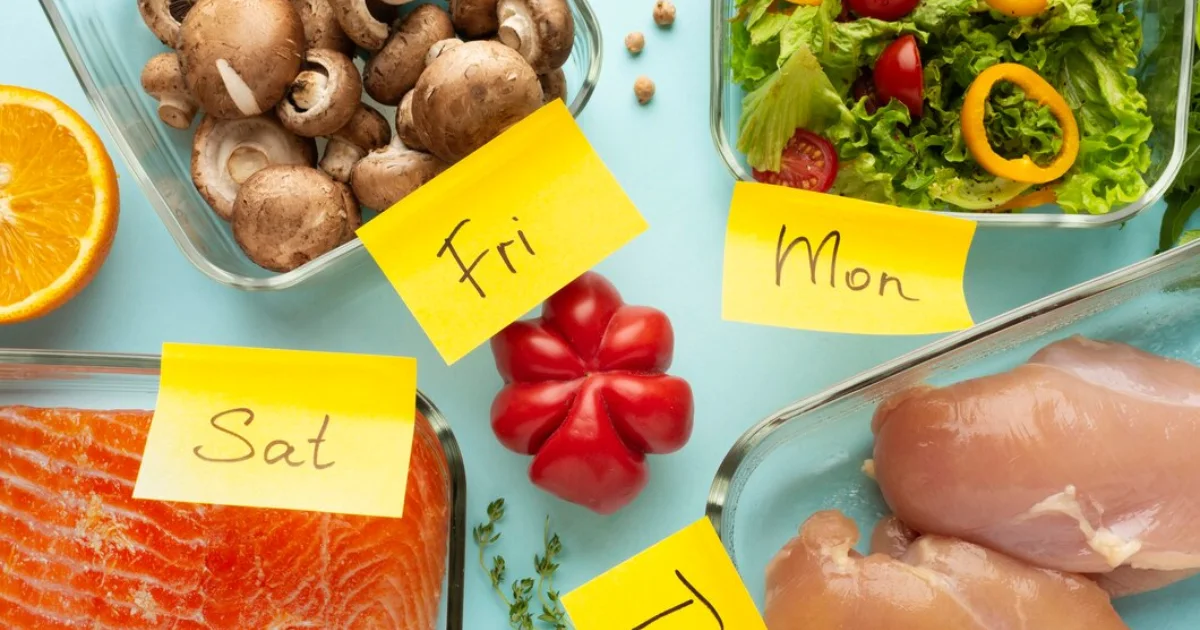
This starter plan gives you a foundation for healthy eating during menopause. Each day includes balanced meals with adequate protein, healthy fats, fiber, and nutrients that support hormone balance.
Day 1
Breakfast: Greek yogurt with berries, ground flaxseeds, and a handful of almonds
Lunch: Large salad with grilled chicken, mixed greens, cherry tomatoes, cucumbers, avocado, and olive oil dressing
Dinner: Baked salmon with roasted broccoli and quinoa
Snacks: Apple slices with almond butter, carrots with hummus
Day 2
Breakfast: Vegetable omelet made with spinach, tomatoes, and feta cheese, served with whole grain toast
Lunch: Lentil soup with a side salad and whole grain crackers
Dinner: Stir-fried tofu with mixed vegetables and brown rice
Snacks: Handful of walnuts, celery sticks with peanut butter
Day 3
Breakfast: Overnight oats made with almond milk, chia seeds, sliced banana, and cinnamon
Lunch: Turkey and avocado wrap in a whole wheat tortilla with lettuce, tomato, and mustard
Dinner: Grilled chicken breast with roasted sweet potato and steamed green beans
Snacks: Hard-boiled egg, mixed berries
Day 4
Breakfast: Smoothie made with spinach, frozen berries, Greek yogurt, flaxseeds, and protein powder
Lunch: Quinoa bowl with black beans, roasted vegetables, salsa, and a dollop of Greek yogurt
Dinner: Baked cod with asparagus and wild rice
Snacks: String cheese, cucumber slices
Day 5
Breakfast: Whole grain toast with mashed avocado, poached eggs, and sliced tomatoes
Lunch: Chicken and vegetable soup with a side of mixed greens
Dinner: Lean beef stir-fry with broccoli, bell peppers, snap peas, and cauliflower rice
Snacks: Greek yogurt, orange slices
7 Day Diet Plan for Menopause (Complete Week)
Building on the 5 day foundation, here is a complete 7 day diet plan for menopause that provides variety while maintaining nutritional balance.
Day 6
Breakfast: Cottage cheese with sliced peaches, ground flaxseeds, and a sprinkle of cinnamon
Lunch: Grilled salmon salad with mixed greens, walnuts, dried cranberries, and balsamic vinaigrette
Dinner: Turkey meatballs with zucchini noodles and marinara sauce
Snacks: Handful of almonds, bell pepper strips with guacamole
Day 7
Breakfast: Veggie scramble with eggs, mushrooms, spinach, onions, and whole grain toast
Lunch: Mediterranean chickpea salad with cucumbers, tomatoes, olives, feta, and lemon-olive oil dressing
Dinner: Baked chicken thighs with roasted Brussels sprouts and sweet potato
Snacks: Apple with cashew butter, edamame
Additional Menopause Diet Plan Strategies
Meal Timing and Frequency
Eating regular meals helps stabilize blood sugar and prevent energy crashes. Most women do well with three balanced meals and one to two snacks daily. Some find that eating breakfast regularly supports weight management, while research shows this is a common habit among successful weight loss maintainers.
Portion Control
Metabolism naturally slows during menopause, so you may need fewer calories than you did in your younger years. Focus on portion sizes, use smaller plates, measure servings until you develop an eye for appropriate amounts, and eat slowly to allow fullness signals to register.
Hydration
Proper hydration supports metabolism, helps flush toxins, reduces bloating, and may help manage hot flashes. Aim for eight glasses of water daily, more if you exercise or experience frequent hot flashes. Herbal teas can contribute to your fluid intake.
Mindful Eating
Pay attention to hunger and fullness cues, eat without distractions like television or phones, chew thoroughly and eat slowly, and notice how different foods make you feel. This awareness helps you make better choices and avoid overeating.
Lifestyle Factors That Support Your Menopause Diet Plan
Regular Exercise
Combining your menopause diet plan with regular physical activity enhances results. Research shows that 94% of successful weight loss maintainers increased their exercise. Include strength training to preserve muscle mass, cardiovascular exercise for heart health and calorie burning, flexibility work like yoga or stretching, and balance exercises to prevent falls.
Stress Management
Chronic stress elevates cortisol, which promotes abdominal fat storage. Practice stress reduction through meditation, deep breathing, yoga, time in nature, hobbies you enjoy, and adequate sleep.
Quality Sleep
Poor sleep disrupts hunger hormones, increases cravings, slows metabolism, and worsens menopausal symptoms. Prioritize 7 to 9 hours of quality sleep by maintaining a consistent schedule, creating a cool, dark bedroom, avoiding screens before bed, and limiting caffeine and alcohol.
Strength Training
Muscle mass naturally declines with age and hormonal changes. Strength training two to three times weekly helps preserve muscle, supports metabolism, improves bone density, and enhances functional fitness.
How Conscious Medicine Supports Your Menopause Journey
At Conscious Medicine, we understand that menopause is not just about diet. Our functional medicine approach addresses the complete picture of your health, including hormone imbalances, nutrient deficiencies, inflammation, metabolic dysfunction, and lifestyle factors.
Our experienced practitioners can help you develop a personalized menopause diet plan tailored to your specific symptoms, health goals, and nutritional needs. We offer comprehensive hormone testing, customized nutrition planning, supplement recommendations, and ongoing support throughout your menopausal transition.
We specialize in menopause hormone wellness support and women’s health optimization, providing evidence-based treatments that help you feel your best during this life transition.
Conclusion
A thoughtfully designed menopause diet plan can make a significant difference in how you feel during this transition. By focusing on nutrient-dense whole foods, adequate protein, healthy fats, and fiber while limiting processed foods and added sugars, you support your body’s changing needs.
The 7 day diet plan for menopause provided here offers a practical framework you can customize to your preferences and lifestyle. Remember that sustainable change happens gradually. Start by incorporating a few principles from this menopause diet plan, and build from there.
Combining healthy eating with regular exercise, stress management, quality sleep, and strength training provides the most comprehensive approach to managing weight and symptoms during menopause. If you struggle with significant symptoms or weight gain despite dietary changes, consider working with a functional medicine practitioner who can address underlying hormonal imbalances and create a personalized treatment plan.
Schedule a consultation with Conscious Medicine to develop a customized menopause diet plan and comprehensive wellness strategy tailored to your unique needs.
Key Takeaways
- A menopause diet plan should focus on nutrient-dense whole foods including adequate protein, healthy fats, fiber, calcium, and phytoestrogens to support changing hormonal needs and manage symptoms.
- The 7 day diet plan for menopause provides a practical framework emphasizing vegetables, lean proteins, whole grains, and healthy fats while limiting processed foods, added sugars, refined carbohydrates, and alcohol.
- Women can expect to lose 0.5 to 2 pounds per week with a sustainable menopause diet plan, as slower metabolism and hormonal changes make weight loss more challenging during this transition.
- The most effective approach combines the menopause diet 5 day plan to lose weight with regular exercise, strength training, stress management, and quality sleep for comprehensive symptom management and weight control.
- Individual responses to dietary changes vary, so working with a functional medicine practitioner can help you develop a personalized menopause diet plan that addresses your specific symptoms, hormone imbalances, and nutritional needs.
Frequently Asked Questions
What is the best menopause diet plan for weight loss?
The best menopause diet plan for weight loss focuses on whole, nutrient-dense foods with adequate protein, healthy fats, and fiber rather than severe calorie restriction. A balanced approach that includes lean proteins, vegetables, fruits, whole grains, and healthy fats while limiting processed foods, added sugars, and refined carbohydrates tends to be most effective and sustainable. The 7 day diet plan for menopause outlined above provides a practical starting point.
How quickly can I expect to lose weight on a menopause diet plan?
Healthy, sustainable weight loss during menopause typically ranges from 0.5 to 2 pounds per week. This slower pace may feel frustrating, but it is more likely to result in long-term success. The menopausal transition makes weight loss more challenging due to hormonal changes and slower metabolism, so patience and consistency are essential.
Can diet alone help with hot flashes and other menopause symptoms?
Diet can significantly help manage menopause symptoms, though individual responses vary. Foods rich in phytoestrogens, omega-3 fatty acids, and antioxidants may reduce hot flash frequency and intensity for some women. Avoiding triggers like spicy foods, caffeine, and alcohol can also help. However, severe symptoms may require additional interventions such as hormone replacement therapy or other medical treatments.
Do I need to follow the menopause diet 5 day plan to lose weight exactly as written?
The menopause diet 5 day plan to lose weight serves as a template and guideline rather than a rigid prescription. Feel free to swap similar foods based on your preferences, dietary restrictions, and what is available. The key principles are balanced nutrition with adequate protein, plenty of vegetables, healthy fats, and whole grains while limiting processed foods and added sugars.
Should I take supplements while following a menopause diet plan?
While a well-balanced menopause diet plan provides many essential nutrients, some women benefit from targeted supplementation. Common recommendations include calcium and vitamin D for bone health, omega-3 fatty acids for inflammation and heart health, magnesium for sleep and muscle function, and B vitamins for energy and mood. Always consult with your healthcare provider before starting new supplements, as individual needs vary based on your health status and lab results.