
Are you curious about alternative medical treatments that claim to boost your immune system, fight infections, and improve overall health? If you’ve heard about ozone therapy but aren’t sure what it involves or whether it might be right for you, you’re not alone. This treatment is gaining attention in the world of integrative and alternative medicine, yet many people remain unclear about what it actually is and how it works.
Ozone therapy involves the medical use of ozone gas to treat various health conditions. This approach has been used in some parts of the world for over a century, though it remains controversial in mainstream medicine. The treatment is based on the idea that ozone can help the body fight infections, improve oxygen utilization, and support the immune system’s natural healing processes.
In this comprehensive guide, you’ll learn everything you need to know about ozone therapy, including how it works, what conditions it’s used to treat, potential benefits and risks, and what to expect if you’re considering treatment. Whether you’re exploring options for a specific health condition or simply want to understand this therapy better, this guide will help you make informed decisions.
What Is Ozone Therapy?
Ozone therapy is a medical treatment that uses ozone gas (O3) to support healing. Ozone is a molecule made up of three oxygen atoms, compared to the regular oxygen we breathe (O2). This extra oxygen atom makes ozone highly reactive and gives it unique properties that many practitioners believe can benefit human health.
The Science Behind Ozone
Ozone is naturally occurring in the Earth’s atmosphere, where it forms a protective layer that shields us from harmful ultraviolet radiation. In medical applications, ozone is created using special equipment that passes oxygen through an electrical field, converting some O2 molecules into O3.
Supporters of ozone therapy believe that once introduced into the body, ozone breaks down into oxygen and other compounds that may:
- stimulate the immune system
- improve oxygen use at the cellular level
- have antimicrobial effects
- support natural healing
Historical Background
Ozone therapy has been used for more than 100 years. During World War I, it was used to treat infected wounds and gangrene. Before antibiotics became widely available, it was sometimes used to treat infections. Today, ozone therapy is practiced in many countries, though acceptance varies among medical professionals.
How Ozone Is Administered?
There are several methods for giving ozone therapy:
- Ozone insufflation used in body cavities such as the rectum, ears, or vagina.
- Ozonated water, which can be consumed or used topically.
- Ozone saunas, where ozone is absorbed through the skin.
- Intravenous ozone methods, where ozone is mixed with blood and returned to the body.
These methods allow ozone to be used for different goals based on a person’s condition.
Potential Benefits of Ozone Therapy
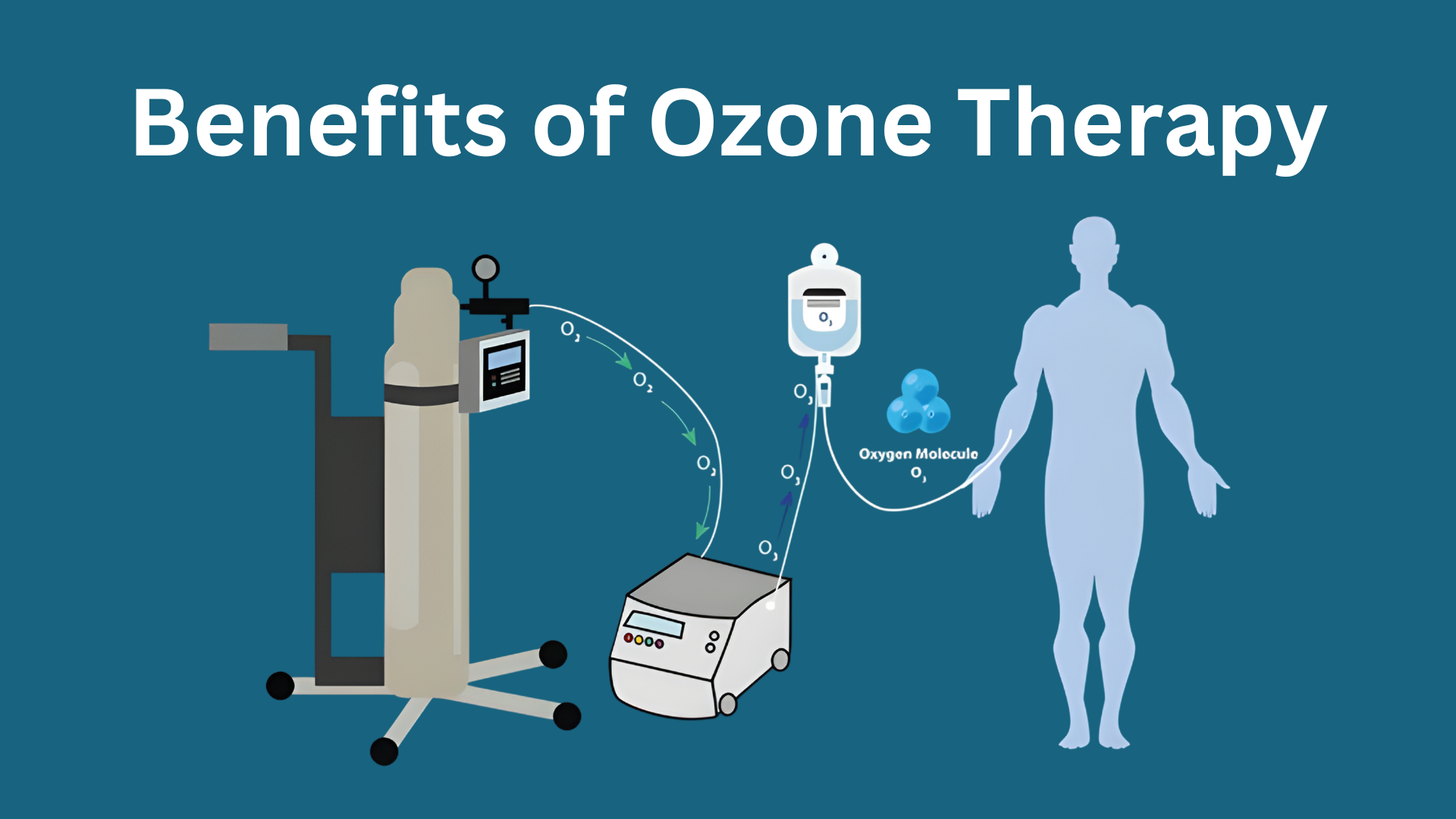
Supporters of ozone therapy believe it offers many potential advantages. While scientific research is still developing, many patients and practitioners report improvements in:
Immune System Support
- Better white blood cell activity
- Improved cytokine balance
- Enhanced antioxidant response
Antimicrobial Effects
Ozone may help eliminate harmful:
- bacteria
- viruses
- fungi
Its strong oxidising properties allow it to act against microorganisms while potentially supporting the body’s healing systems.
Circulation and Oxygenation
Many people use ozone therapy to support:
- improved blood circulation
- better oxygen delivery to tissues
- enhanced cellular energy production
Detoxification Support
Practitioners also use ozone therapy to support:
- liver detoxification
- cellular cleansing
- breakdown of toxins
Conditions Treated with Ozone Therapy
Ozone therapy is used for many conditions, including:
Infectious Diseases
- chronic infections
- slow-healing wounds
- recurring respiratory infections
Cardiovascular Issues
- circulation problems
- vascular health support
Autoimmune and Inflammatory Conditions
- arthritis
- chronic inflammation
- certain autoimmune concerns
Although many people report feeling better, the scientific evidence varies.
Understanding the Risks and Side Effects

Like any medical treatment, ozone therapy comes with possible risks.
Common Side Effects
- headache
- fatigue
- mild detox reactions
- digestive changes
- skin irritation (when topical ozone is used)
More Serious Risks
- respiratory issues if ozone is inhaled
- oxidative stress if improperly dosed
- infection risk from IV treatments
- possible interaction with medications
Who Should Avoid Ozone Therapy
- pregnant women
- people with G6PD deficiency
- certain cardiovascular patients
- people with bleeding disorders
Always consult a qualified practitioner before starting treatment.
The Treatment Process: What to Expect
Initial Consultation
Your practitioner will review:
- medical history
- symptoms and goals
- blood tests (if needed)
- overall health status
During Treatment
Depending on the type of ozone therapy, treatment may take:
- 30 minutes to 1 hour
- involve IV ozone or other methods
- include monitoring of vital signs
After Treatment
Many practitioners recommend:
- staying hydrated
- resting
- reporting unusual symptoms
- attending follow-up sessions if needed
Making an Informed Decision
When considering ozone therapy, evaluate:
- the potential benefits
- your health goals
- safety and risks
- other available treatments
- the experience of the practitioner
Ozone therapy has grown in popularity, but it is important to understand that research is ongoing.
Conclusion
Ozone therapy has been used for many years and is gaining more attention in integrative medicine. Many people report benefits such as immune support, better circulation, and improved overall wellness. However, scientific studies are still limited, so it’s important to approach the treatment with balanced information.
If you’re considering ozone therapy, speak with a qualified healthcare professional. They can help you understand whether it aligns with your health needs and guide you safely through treatment options.
FAQ’s
What is ozone therapy?
Ozone therapy is a treatment that uses ozone gas to support immune function, improve oxygen circulation, and help the body fight infections.
How long does an ozone treatment last?
A typical ozone therapy session lasts 30 minutes to 1 hour, depending on the method used and the individual treatment plan.
Is ozone therapy good for the skin?
Yes, ozone may help improve skin tone, reduce acne, and support collagen production through enhanced oxygenation.
Does ozone therapy reduce inflammation?
Ozone therapy may help reduce inflammation by improving circulation, supporting healing, and stimulating natural anti-inflammatory responses.
Is ozone therapy safe?
Ozone therapy is considered safe when performed by trained practitioners, but it should never involve inhaling ozone, and certain people should avoid it.