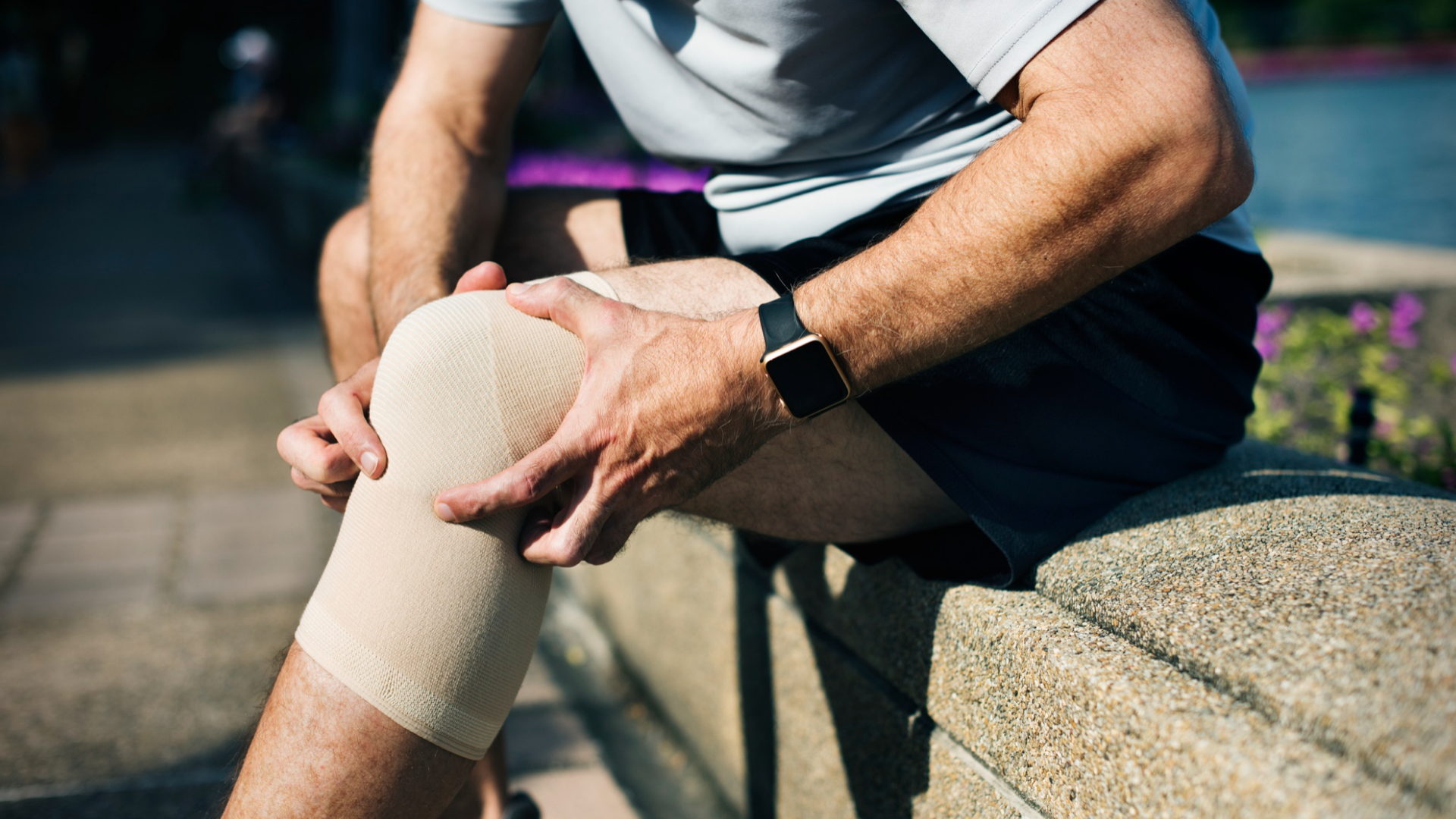
Millions of people have knee pain daily. Knee pain can turn simple tasks into an impossible task, whether it is walking to the store, climbing stairs, or getting out of bed. The positive side is that you do not necessarily require surgery to relieve yourself. Knee pain can be managed through natural methods, lifestyle changes, and targeted non-surgical treatments, helping you get back to living life comfortably.
What are The Common Causes of Knee Pain?
Arthritis occurs when cartilage in your knee joint is worn down. This brings about friction and pain during movement. It is very common as we age; however, it does not imply that you have to endure a life of suffering.
Sport or fall injuries, or accidents, can cause damage to your knee (ligaments, tendons, or cartilage). Old injuries that appear to have healed perfectly may give trouble even after a number of years.
Being overweight puts extra pressure on your knees. For every pound of body weight, your knees experience a pressure of approximately four pounds while walking. This means even small weight loss can help improve knee comfort.
Weak muscles around your knee reduce support. When your thigh muscles, hip muscles, and glutes are weak, your knees work harder and may become painful.
Poor posture and movement patterns may stress parts of the knee that are not meant to handle excess load. The way you stand, walk, and move daily impacts your knee health.
Simple Ways to Manage Knee Pain at Home
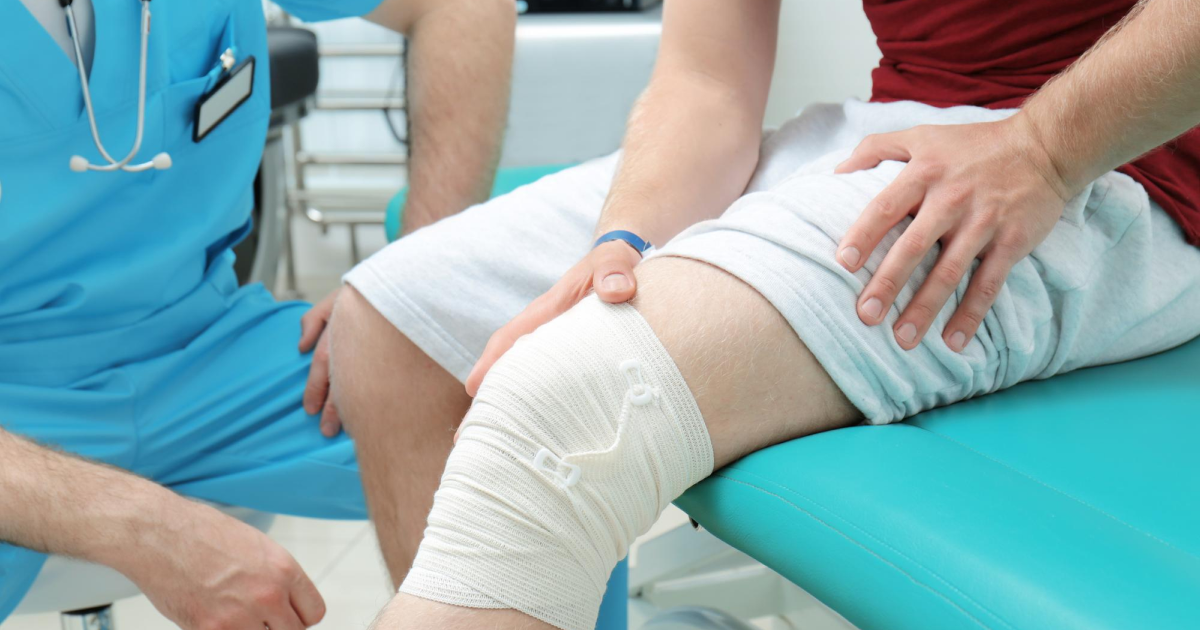
Here is how you can manage your knee pain with some simple techniques:
Rest Your Knees
Whenever your knee aches, take a rest. Avoid activities that worsen the pain. This does not mean complete bed rest, but being gentle with your knees.
Use Ice and Heat
Ice helps reduce swelling. Use it for 15–20 minutes at a time.
Heat relaxes muscles and improves blood flow.
Start with ice, then use heat after a few days if needed.
Gentle Exercise
Movement supports recovery:
- Walking – start slow and short
- Swimming – reduces pressure on joints
- Stretching – improves flexibility
- Yoga – supports strength and mobility
Lose Extra Weight
Each pound lost reduces about 4 pounds of pressure on your knees. Even losing 5–10 pounds can make a noticeable difference.
Strengthen Your Muscles
Stronger muscles support your knees better:
- Leg raises
- Wall sits
- Step-ups
Advanced Non-Surgical Treatments To Heal Knee Pain
Advanced Non-Surgical Treatments
Sometimes home care and physiotherapy need additional support. In such cases, non-surgical treatments can help manage pain and improve function.
Injection-based treatments are one option. These are used to target specific problems inside the knee joint and are usually combined with a structured rehabilitation plan.
- PRP injections use your body’s own blood components to support tissue healing.
- Steroid injections are used for short-term pain relief during flare-ups.
- Hyaluronic acid (gel) injections help improve joint lubrication and smooth movement.
Each option works differently, and the right choice depends on your condition, goals, and medical guidance.
Why Choose Advanced Injection Treatments?
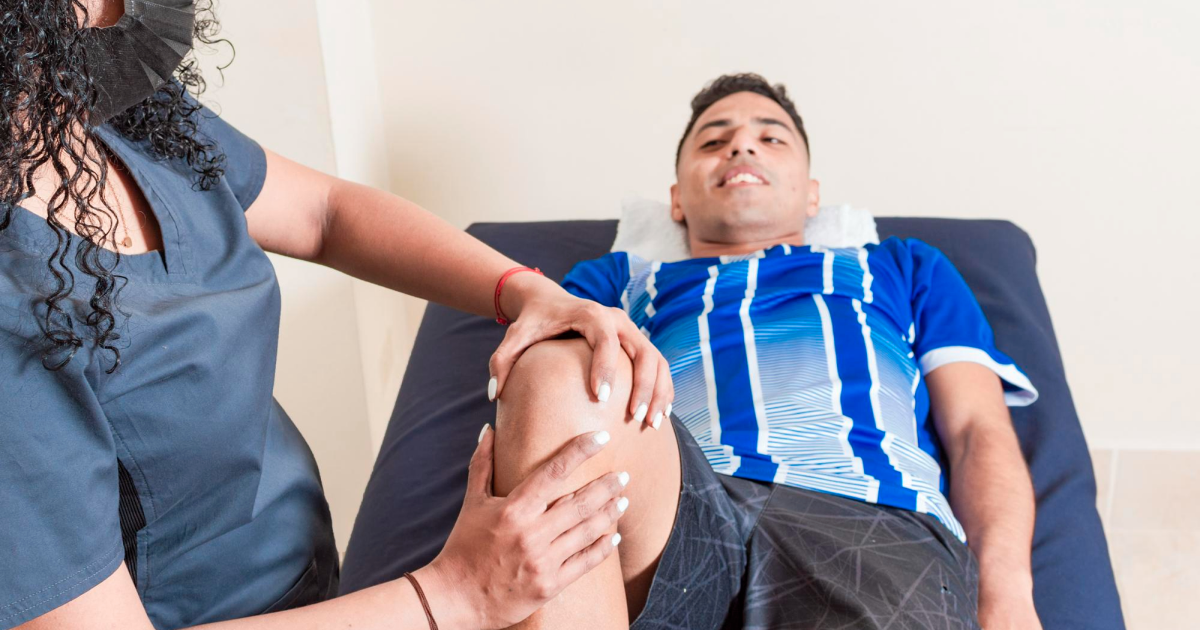
Non-surgical approaches are commonly used because they:
- Help reduce pain without surgery
- Support movement and daily function
- Can be combined with exercise and rehab
- May delay or reduce the need for invasive procedures
The best results usually come from combining treatment with strengthening, movement correction, and lifestyle changes.
Some Natural Remedies To Heal Knee Pain
Daily habits also play an important role in managing knee pain.
Anti-inflammatory foods may help reduce overall inflammation. Foods rich in omega-3 fatty acids, like salmon, walnuts, and flaxseeds, are useful.
Fruits and vegetables such as berries, leafy greens, and broccoli contain antioxidants that support joint health. Turmeric contains curcumin, which has natural anti-inflammatory properties.
Some people use supplements like glucosamine, chondroitin, fish oil, or vitamin D to support joint health. Always consult your doctor before starting supplements, especially if you are on other medications.
Topical treatments like gels and creams can provide temporary relief. Options such as menthol creams, arnica gel, or capsaicin cream may help reduce discomfort locally.
Alternative Professional Interventions
Other supportive therapies may help alongside medical treatment. Here are some of those:
- Massage therapy improves blood flow and reduces muscle tightness around the knee.
- Acupuncture may help reduce pain and inflammation through stimulation of specific points.
- Chiropractic care may improve alignment issues that contribute to knee stress.
Daily Habits to Support Knee Health
You should follow the given things to support your knee health:
Wear Good Shoes
- Choose supportive footwear
- Avoid prolonged use of high heels
- Replace worn-out shoes
- Use inserts if needed
Improve Your Posture
- Stand straight
- Avoid locking your knees
- Use proper form while lifting
- Take breaks from long sitting
Sleep Better
- Place a pillow between your knees when sleeping on your side
- Keep your bedroom cool and dark
- Aim for 7–8 hours of sleep
When Should You Seek Professional Help?
Consult a healthcare provider if:
- Pain does not improve in a few days
- Swelling or redness increases
- You cannot put weight on your leg
- The knee feels unstable or gives way
- You have a fever along with knee pain
Even mild symptoms should be evaluated if they do not improve after a few weeks.
Conclusion
Knee pain can often be managed without surgery through the right combination of rest, movement, strengthening, and medical support when needed.
Start with simple steps and stay consistent. Recovery takes time, and progress may take weeks or months, depending on the condition.
If pain persists or worsens, a structured treatment plan guided by a professional can help you move toward long-term relief and better knee function.
If you want a more personalized approach to managing knee pain, you can get support from Conscious Medicine.
FAQ’s
Can knee pain heal completely without surgery?
Many cases improve significantly with the right plan, including exercise, weight management, and targeted treatments.
How long does non-surgical treatment take to work?
Early relief may begin in 2 to 6 weeks, with stronger improvements over 8 to 12 weeks.
Are injections safe for long-term use?
Different injections serve different purposes. A clinician decides the right option and timing based on your condition.
Which exercises are most effective?
Focus on quadriceps and hip strengthening, mobility work, and low-impact cardio that you can perform consistently.