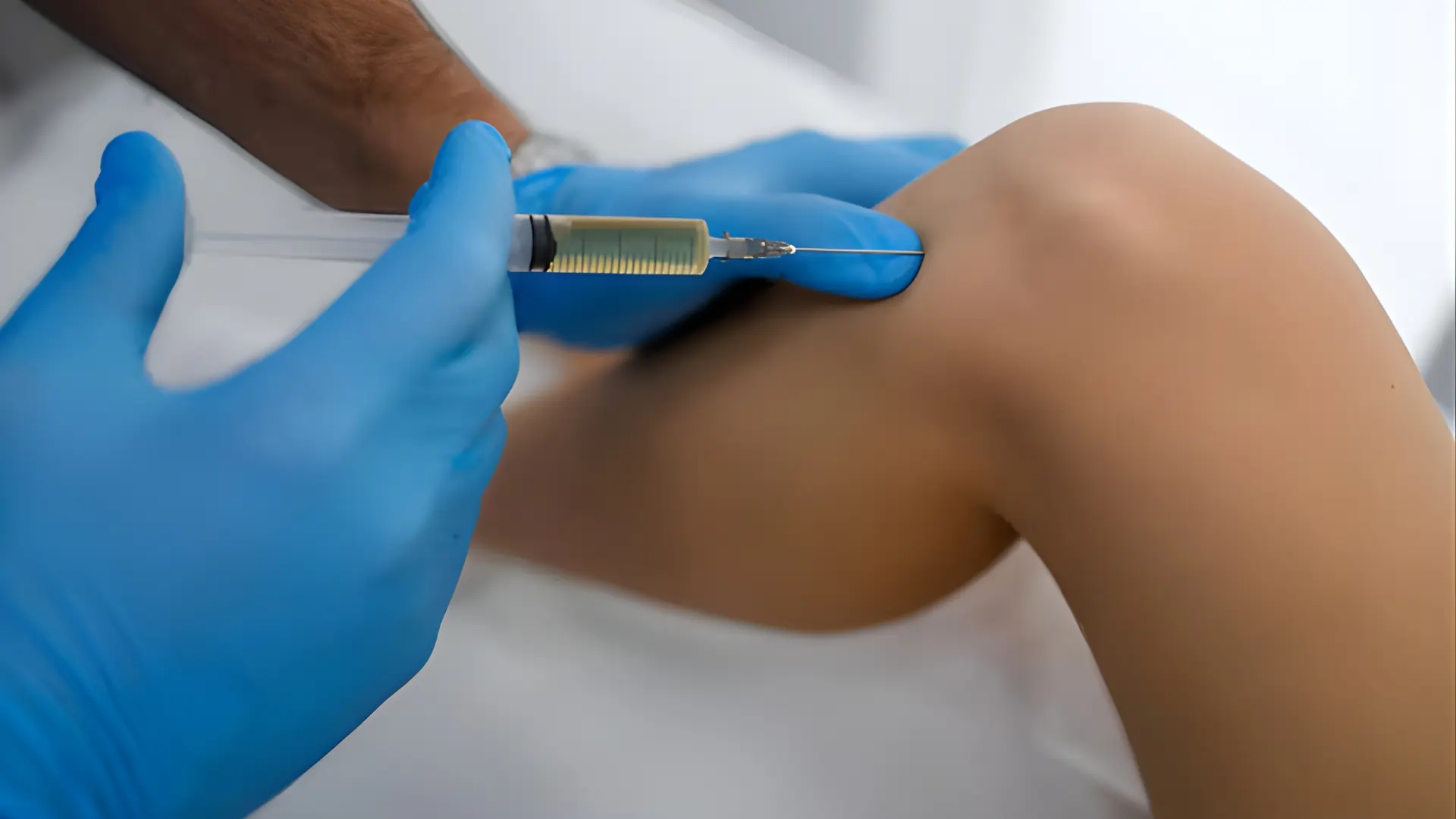
Knee pain does not have to limit your active lifestyle. Platelet-rich plasma (PRP) therapy is a non-surgical treatment that uses your own blood to promote natural healing and reduce pain. If you are considering PRP injection for knee pain, understanding the recovery process, potential side effects, and realistic timelines helps you prepare for what to expect.
This comprehensive guide explains what PRP injections are, how they work, who benefits most, PRP injection recovery time, knee expectations and known PRP injection knee side effects so you can make an informed decision about this regenerative treatment.
What Is a PRP Injection?
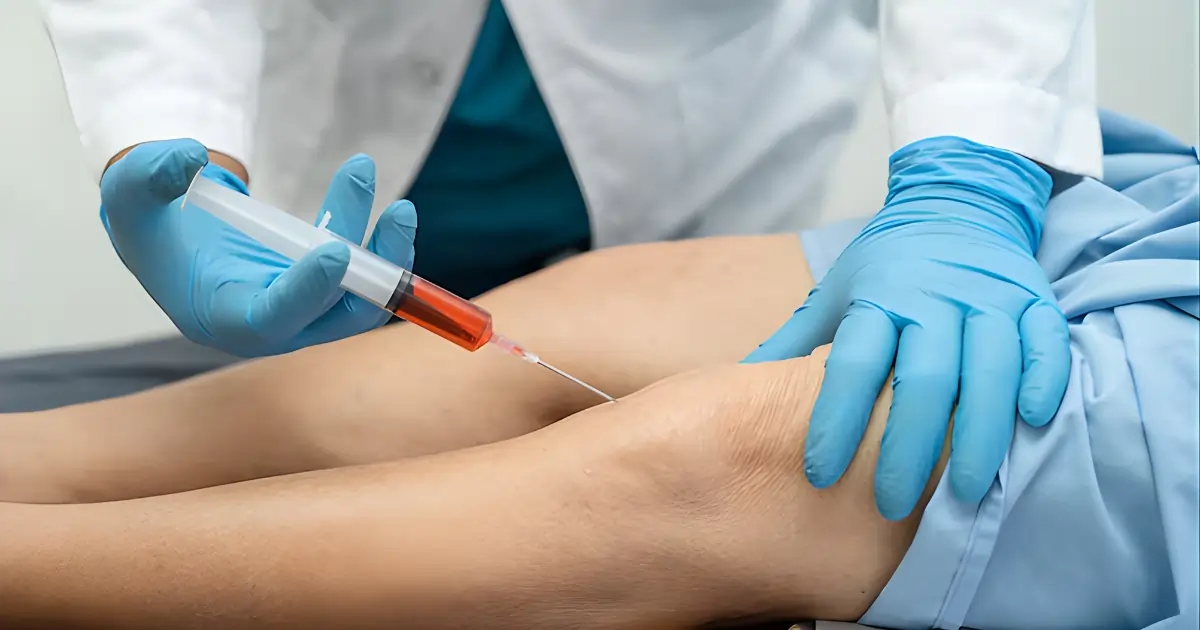
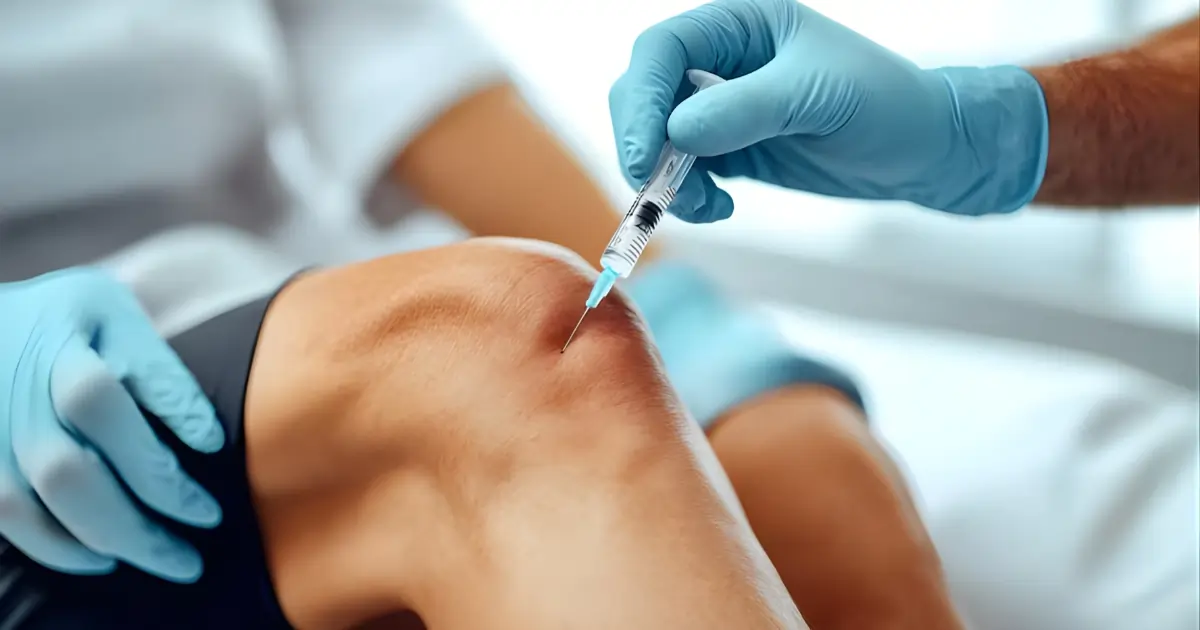
PRP (Platelet-Rich Plasma) is a concentrated portion of your blood that contains platelets and growth factors. A clinician draws your blood, processes it in a centrifuge to separate the platelet-rich layer from red blood cells, and then injects this concentrated plasma into your knee under sterile conditions, usually with ultrasound guidance for precision.
Since PRP therapy derives entirely from your own blood, it eliminates concerns about rejection or disease transmission and instead harnesses your body’s natural repair mechanisms.
How Does PRP Therapy Work?
Platelets are your body’s first responders to injury. They carry repair-coordinating factors that:
- Attract healing cells to the injured area
- Reduce and regulate inflammation rather than simply suppress it
- Support tendon and ligament remodeling
- Improve the osteoarthritis joint environment by inhibiting degenerative signals
The typical tissue response following PRP therapy progresses through distinct phases:
- Days 0 to 3: Short inflammatory phase. Some patients experience worse pain after PRP injection during this period, which is a normal part of the healing response. Temporary soreness and stiffness are common.
- Weeks 2 to 6: Repair phase. Pain levels typically begin to improve, and knee function starts to increase during this stage.
- Weeks 6 to 12: Remodeling phase. Structured rehabilitation exercises help strengthen tissues and improve long-term outcomes.
Who Benefits Most From PRP Injection for Knee Pain?
PRP therapy is most effective when the knee retains healing potential. Ideal candidates include those with:
- Mild to moderate knee osteoarthritis
- Patellar tendinopathy or quadriceps tendinopathy
- Partial ligament degeneration without severe instability or locking
- Persistent knee pain following overuse, strain, or inflammatory flares.
- As an adjunct to surgery when recommended by your surgeon
PRP may offer fewer benefits for:
- Severe bone-on-bone arthritis with significant joint space loss
- Active infections in or around the knee
- Uncontrolled diabetes or bleeding disorders
- Patients taking blood thinners who cannot be temporarily stopped under medical supervision
Benefits of PRP Injections for Knee Pain
When combined with a structured rehabilitation plan, patients typically experience:
- Reduced pain during daily activities within 2 to 6 weeks
- Improved ability to climb stairs, squat, and walk by 6 to 12 weeks
- Fewer pain flares with activity
- Decreased reliance on pain medications
- Potential delay or avoidance of more invasive procedures
Common Treatment Protocol
Most PRP therapy protocols involve:
- One to three injection sessions spaced 2 to 4 weeks apart
- Eight to twelve weeks of progressive physical therapy
- Load management, gait training, and strengthening of the hip and quadriceps muscles
PRP Injection Knee Side Effects: What to Expect
Understanding PRP injection side effects that knee patients commonly experience helps you distinguish normal healing responses from complications requiring medical attention.
Common Side Effects (Experienced by Most Patients)
- Pain and soreness at the injection site: Lasts 24 to 72 hours and is manageable with ice and rest
- Temporary pain increase: Some patients report worse pain after PRP injection for 1 to 3 days before improvement begins
- Warmth or swelling: Mild inflammation at the injection site for 2 to 5 days
- Minor bruising: At either the blood draw or injection site
Less Common Side Effects
- Lightheadedness or dizziness: May occur during or immediately after injection
- Nausea or sweating: Brief symptoms that typically resolve within 30 minutes
- Skin reaction: Rare allergic response to prep solution rather than the PRP itself
Rare Complications
- Infection: Very rare when proper sterile technique is used (less than 1% of cases)
- Nerve irritation: Temporary numbness or tingling if the injection affects nearby nerves
- Increased swelling: Persistent swelling beyond one week should be evaluated
Most PRP injection side effects that patients experience are temporary and resolve without intervention. However, you should contact your provider if you experience severe pain, significant swelling that worsens after 48 hours, fever, redness spreading from the injection site, or symptoms that concern you.
PRP Injection Recovery Time Knee: Week by Week Guide
Understanding PRP knee injection recovery timelines helps you plan appropriately and recognize normal healing progression.
Immediate Post-Injection (Days 0 to 3)
- Activity level: Relative rest with limited weight-bearing activities
- Expected symptoms: Soreness, possible PRP pain increase, mild swelling
- Care instructions: Ice as needed for 15 to 20 minutes several times daily. Avoid anti-inflammatory medications (NSAIDs) unless specifically recommended by your clinician, as they may interfere with the healing process.
- Mobility: Light walking is acceptable; avoid stairs and prolonged standing
Early Recovery (Week 1 to 2)
- Activity level: Gentle range of motion exercises
- Exercise options: Light aerobic activity, such as stationary cycling or swimming
- Expected improvement: Initial inflammatory symptoms should decrease
- What to avoid: High-impact activities, deep squatting, heavy lifting
Mid Recovery (Weeks 3 to 6)
- Activity level: Progressive strengthening begins
- Exercise focus: Quadriceps strengthening, hip stability exercises, calf strengthening
- Balance training: Gait drills and proprioception exercises
- Progression: Gradual increase in resistance and duration based on pain tolerance
Late Recovery (Weeks 6 to 12)
- Activity level: Return to more demanding activities
- Progression strategy: Follow the 10% rule (increase activity by no more than 10% per week)
- Monitoring: Track pain levels, swelling, and functional improvements
- Goal: Full return to desired activities with proper form and technique
Research indicates that PRP injection recovery time for the knee varies by individual and condition severity. Studies show that 60% to 70% of patients experience meaningful improvement within 6 weeks, with continued progress for up to one year when combined with appropriate rehabilitation.
Managing Worse Pain After PRP Injection
If you experience worse pain after PRP injection, this is often a normal inflammatory response rather than a complication. However, understanding when pain is expected versus concerning helps you respond appropriately.
Normal Post-Injection Pain (Days 1 to 3)
This temporary increase in discomfort, sometimes called a “pain flare,” occurs as platelets release growth factors that initially trigger inflammation before healing begins. This PRP pain is:
- Typically, the most intense 12 to 48 hours after injection
- Manageable with ice and rest
- Gradually improving by day 3 or 4
- Not accompanied by fever, redness, or significant swelling
When to Contact Your Provider?
While some experience worse pain after PRP injection is normal, certain symptoms warrant medical evaluation:
- Pain that continues to worsen after day 4
- Severe pain that prevents all movement
- Fever, chills, or feeling unwell
- Redness, warmth, or swelling that increases rather than decreases
- Numbness, tingling, or weakness in the leg
Recovery Best Practices: Dos and Don’ts
You should follow the given things:
Do:
- Use low-impact aerobic exercise with short, frequent sessions
- Follow your prescribed rehabilitation plan consistently
- Monitor your symptoms and track progress
- Communicate changes or concerns with your practitioner
- Stay hydrated and maintain good nutrition to support healing
- Use ice for comfort during the first week
Don’t:
- Return to high-impact activities or heavy loads immediately
- Ignore significant swelling or sharp pain
- Take NSAIDs (ibuprofen, naproxen) without provider approval
- Skip physical therapy appointments
- Increase activity too quickly
The PRP Procedure: What to Expect?
With PRP, you can expect the following:
Before Your Appointment
- Medical review: Your doctor confirms candidacy through examination and imaging
- Medication adjustments: Blood thinners may need to be stopped temporarily
- Fasting: Some protocols require fasting before the procedure
During the Procedure
- Blood draw: Usually 15 to 60 ml of blood
- Processing: Centrifuge separates PRP from other blood components
- Preparation: Skin cleaning, local anesthetic, ultrasound setup
- Injection: Ultrasound-guided precision placement into the knee joint
- Duration: Total procedure time is approximately 30 to 45 minutes
After the Procedure
- Brief observation period (15 to 30 minutes)
- Post-procedure instructions provided
- Arrangement for transportation home if sedation was used
- Follow-up appointment scheduled
How Long Do PRP Results Last?
Many patients report improvement lasting 6 to 12 months or longer following PRP therapy. Duration of relief depends on:
- Severity of the underlying condition
- Adherence to rehabilitation exercises
- Weight management and overall activity level
- Number of injection sessions received
- Individual healing response
Studies indicate that patients with early-stage osteoarthritis often experience longer-lasting benefits than those with advanced degeneration. Regular exercise, maintaining a healthy weight, and avoiding activities that overstress the knee help extend results.
Conclusion
PRP injection for knee pain offers a promising middle ground between conservative treatments and surgery. By understanding the complete PRP injection recovery time, knee expectations, common PRP injection side effects knee patients experience, and how to manage worse pain after PRP injection, you can approach this treatment with realistic expectations and proper preparation.
The success of PRP therapy depends not just on the injection itself but on your commitment to the recovery process. Following your rehabilitation plan, maintaining open communication with your healthcare provider, and gradually progressing your activities help maximize the healing response and extend results.
At Conscious Medicine, we provide personalized evaluation and comprehensive treatment plans that include PRP therapy as part of a holistic approach to knee health. Our functional medicine framework addresses underlying factors contributing to knee pain while supporting your body’s natural healing capacity.
Schedule a consultation to discuss whether PRP injection for knee pain is appropriate for your specific condition and to develop a customized recovery plan that fits your lifestyle and goals.
Key Takeaways
- PRP therapy uses concentrated platelets from your own blood to promote natural healing in damaged knee tissues, making it a safe, non-surgical treatment option.
- PRP injection recovery time for the knee typically shows initial improvement within 4 to 6 weeks, with maximum benefits occurring between 3 to 6 months when combined with structured rehabilitation.
- Common PRP injection knee side effects include temporary soreness, mild swelling, and a brief pain increase during the first 1 to 3 days, all of which are normal healing responses.
- Experiencing worse pain after PRP injection for 24 to 72 hours is a normal inflammatory phase, but pain that worsens after day 4 or is accompanied by fever requires medical evaluation.
- Success with PRP therapy requires active participation in recovery, including avoiding NSAIDs as directed, following your rehabilitation plan, and gradually progressing activities based on symptoms rather than rushing back to full activity.
Frequently Asked Questions
What do PRP injections consist of?
PRP injections contain concentrated platelets and growth factors extracted from your own blood. No donor tissue or synthetic materials are used, which eliminates rejection risk.
How many PRP sessions do I need?
Most treatment protocols involve one to three injections spaced 2 to 4 weeks apart. The exact number depends on your condition severity, initial response to treatment, and treatment goals. Your provider will recommend a specific plan based on your evaluation.
What is the PRP injection recovery time for the knee for most patients?
Most patients see initial improvement within 4 to 6 weeks, with continued progress through 12 weeks. Full recovery and maximum benefit often occur between 3 and 6 months. Tendon injuries typically require longer recovery than joint injections.
Can I be active during PRP knee injection recovery?
Yes, strategic movement supports healing. Your recovery plan includes progressive activity modifications and gradual increases in exercise intensity. Complete rest is only recommended for the first 2 to 3 days.
Are there PRP injection side effects that patients should worry about?
Most PRP injection knee side effects are mild and temporary, including soreness, swelling, and a brief increase in pain. Serious complications like infection occur in less than 1% of cases when proper sterile technique is followed.
Do I need an X-ray or MRI before PRP therapy?
Imaging helps confirm your diagnosis and set realistic expectations, particularly for conditions like osteoarthritis, tendon tears, or meniscus problems. Your provider will determine which imaging is appropriate for your situation.
Should I avoid anti-inflammatory medications around the procedure?
Yes, NSAIDs like ibuprofen and naproxen should typically be avoided for several days before and 2 to 4 weeks after PRP therapy, as they may interfere with the healing inflammatory response. Your provider will give specific guidance.
Will insurance cover PRP injections?
Most insurance plans, including Medicare, currently do not cover PRP therapy for knee pain, considering it investigational or experimental. Many patients pay out of pocket or use health savings accounts. Cost varies by provider and location.