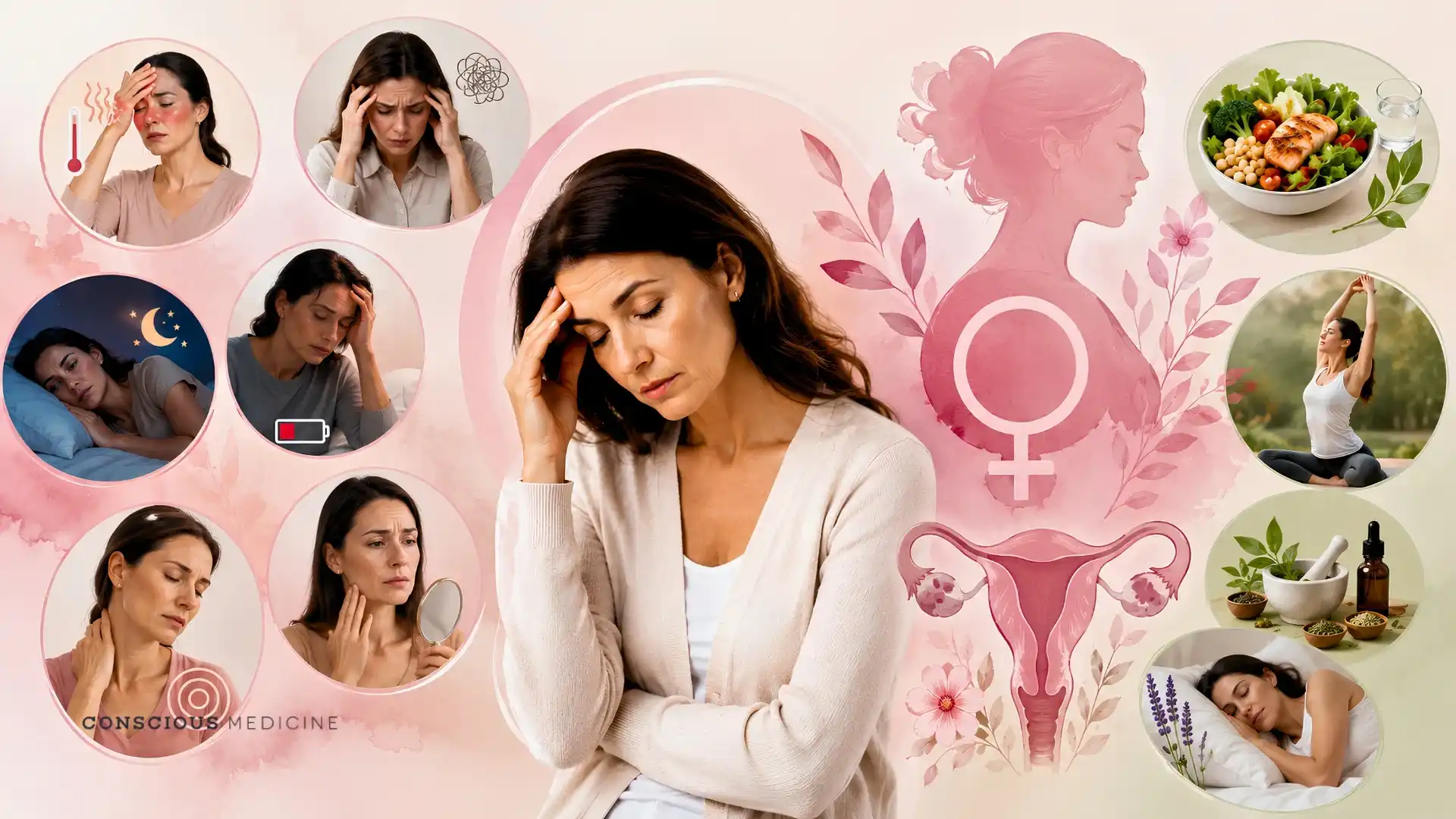
You feel tired even after a full night of sleep. You wake up drenched in sweat. Your mood shifts without warning and your periods have become unpredictable. Your joints ache. Your memory feels foggy. These experiences may feel unrelated, but they can all trace back to one common hormonal root cause: low estrogen.
Estrogen is the headline hormone in the female body, playing a vital role in women’s reproductive and overall health. It affects everything from menstrual cycles and bone density to mood and brain function. Low estrogen levels can cause a wide range of symptoms including physical issues like hot flashes and breast tenderness, cognitive problems such as brain fog and mood swings, and sexual health challenges like decreased libido and vaginal dryness.
Understanding the symptoms of low estrogen is the first step toward getting proper support and reclaiming how you feel. This guide covers every major sign of low estrogen in women, explains what causes the decline, and outlines your options for natural and medical treatment.
What Does Estrogen Do in the Female Body?
Estrogen does far more than manage your reproductive cycle. Estrogen helps maintain bone health, regulates blood sugar levels, supports cognitive function, and protects against heart disease, among other essential functions. It also supports the development of certain sex organs and secondary sex characteristics.
Estrogen also affects insulin sensitivity, glucose metabolism, body weight, and cholesterol metabolism. Both women and men have estrogen, but women produce significantly more of it.
When estrogen levels drop, the effects ripple through virtually every system in your body. This is why the symptoms of low estrogen in women are so varied and why they can easily be misattributed to stress, aging, or other conditions.
What Are Estrogen Deficiency Symptoms?
Estrogen deficiency symptoms can affect almost every part of the body because estrogen helps regulate the brain, bones, heart, skin, muscles, and reproductive system.
Some of the most common symptoms include:
- Hot flashes
- Night sweats
- Irregular periods
- Vaginal dryness
- Mood swings
- Brain fog
- Joint pain
- Poor sleep
- Low sex drive
- Dry skin
- Hair thinning
Many women experience more than one symptom at the same time, especially during perimenopause and menopause.
What Are the Symptoms of Low Estrogen?
The signs of low estrogen in women span physical, emotional, reproductive, and cognitive health. Many women experience several of these symptoms simultaneously without recognizing the common thread. The lack of estrogen symptoms often develops gradually, making them easy to mistake for stress or normal aging. As estrogen continues to decline, symptoms usually become more noticeable.
Hot Flashes and Night Sweats
Hot flashes are one of the most recognizable symptoms of low estrogen. Irregular periods, hot flashes, difficulty sleeping, mood swings, and headaches can all be signs of low levels of the hormone estrogen in women.
Hot flashes cause a sudden wave of intense heat, usually felt in the face, neck, and chest. They can last anywhere from a few seconds to several minutes and may occur several times throughout the day. Night sweats are essentially hot flashes that happen during sleep, disrupting rest and contributing to fatigue the next day.
Irregular or Absent Periods
Low estrogen levels can lead to irregular or absent menstrual periods, which may affect fertility. As estrogen declines during perimenopause, your cycle becomes less predictable. Periods may become lighter or heavier, more frequent or further apart, and eventually stop altogether as you transition into menopause.
In younger women, absent periods alongside other low estrogen symptoms may signal primary ovarian insufficiency or another hormonal condition that warrants medical evaluation.
Vaginal Dryness and Discomfort
Estrogen maintains the moisture, thickness, and elasticity of vaginal tissue. When levels drop, vaginal tissue can become dry, thin, and easily irritated. This causes discomfort during everyday activities, pain during intercourse, and increased susceptibility to urinary tract infections.
People with low estrogen will also experience higher urgency to urinate and painful urination. Low estrogen is considered one of the major risk factors for developing uncomplicated urinary tract infections in postmenopausal women who do not take hormone replacement therapy.
Sleep Disturbances
Difficulty falling asleep, frequent waking, or feeling unrested despite adequate time in bed are all common low estrogen symptoms in women. This happens partly because estrogen supports the production of serotonin and other neurotransmitters that regulate sleep cycles, and partly because night sweats frequently interrupt sleep.
Poor sleep creates a cascade effect, worsening mood, cognitive function, energy levels, and even weight management.
Mood Changes and Anxiety
Low estrogen can affect your mental and emotional wellbeing. You may experience significant mood changes including anxiety and depression.
Estrogen influences serotonin and dopamine production in the brain. When estrogen drops, these mood-regulating chemicals become less stable, leading to irritability, heightened anxiety, sadness, and emotional sensitivity. Many women experiencing symptoms of low estrogen are incorrectly diagnosed with depression or anxiety disorders without their hormonal status being assessed.
Brain Fog and Memory Issues
Difficulty concentrating, forgetting words mid-sentence, or feeling mentally cloudy are signs of low estrogen in women that are often dismissed as stress or aging. Estrogen plays an active role in supporting brain function, neural connections, and memory formation.
Research shows that the brain contains estrogen receptors throughout its structure. When estrogen declines, cognitive processing can become slower, focus becomes harder to maintain, and memory lapses become more frequent.
Bone Loss and Joint Pain
In postmenopausal women, reduced levels of endogenous bioavailable estrogen are associated with lower bone mineral density and higher risk for fragility fractures.
As estrogen drops, you are more vulnerable to developing osteoporosis, a disease that affects about one in five women over 50 in the United States.
Joint pain and stiffness also appear as symptoms of low estrogen in women. Estrogen has anti-inflammatory properties, and without it, joints may feel more tender, stiff, or swollen, particularly in the hands, knees, and hips.
Weight Gain and Metabolism Changes
Estrogen influences metabolism and body fat distribution. Low estrogen levels may affect weight management. Many women notice a shift in how their body stores fat during perimenopause, with more accumulating around the abdomen rather than the hips and thighs. This change happens even without significant changes to diet or exercise levels.
Menopause often results in an increase in blood pressure and cholesterol levels and causes weight gain especially around the middle, which can increase inflammation.
Can Low Estrogen Cause Weight Gain?
Many women ask, can low estrogen cause weight gain? The answer is yes. Lower estrogen levels can slow metabolism, change the way the body stores fat, and make it easier to gain weight around the abdomen.
Although hormones play an important role, regular exercise, a balanced diet, quality sleep, and stress management can help support a healthy weight during hormonal changes.
Headaches
Estrogen fluctuations can trigger headaches and migraines. Women who already experience hormonal headaches often find that they worsen during perimenopause when estrogen levels become unpredictable. As estrogen stabilizes at its lower post-menopausal level, some women find headache frequency decreases, while others continue to be affected.
Dry Skin and Hair Changes
Some women may experience hair thinning or changes in hair texture due to low estrogen. The skin may also become drier, thinner, and less elastic. Collagen production is partly supported by estrogen, so its decline contributes to skin changes that go beyond normal aging.
Reduced Libido
Low sex drive is one of the most common and least discussed symptoms of low estrogen. The combination of vaginal discomfort, mood changes, fatigue, and direct hormonal effects on libido creates a significant impact on sexual interest and satisfaction.
Heart Health Concerns
The WISE study provided insights into the factors associated with coronary artery disease in women, including that 69% of young women with coronary artery disease have low levels of estrogen compared with just 29% of their heart-healthy counterparts, and that low estrogen was associated with worse coronary artery disease.
Estrogen is needed to relax arteries using endothelial-derived nitric oxide, resulting in better heart health by decreasing adverse atherogenic effects. This protective function is lost as estrogen declines, which is why cardiovascular risk increases significantly after menopause.
Signs of Low Estrogen in Women: Quick Reference
| Symptom Category | Common Signs |
| Reproductive | Irregular periods, vaginal dryness, low libido, fertility changes |
| Physical | Hot flashes, night sweats, joint pain, bone loss, weight gain |
| Skin and Hair | Dry skin, hair thinning, reduced collagen, brittle nails |
| Cognitive | Brain fog, poor concentration, memory lapses |
| Emotional | Mood swings, anxiety, depression, irritability |
| Sleep | Insomnia, frequent waking, night sweats, fatigue |
| Urinary | Urgency, frequent UTIs, painful urination |
| Cardiovascular | Increased cholesterol, higher heart disease risk |
What Causes Low Estrogen in Women?
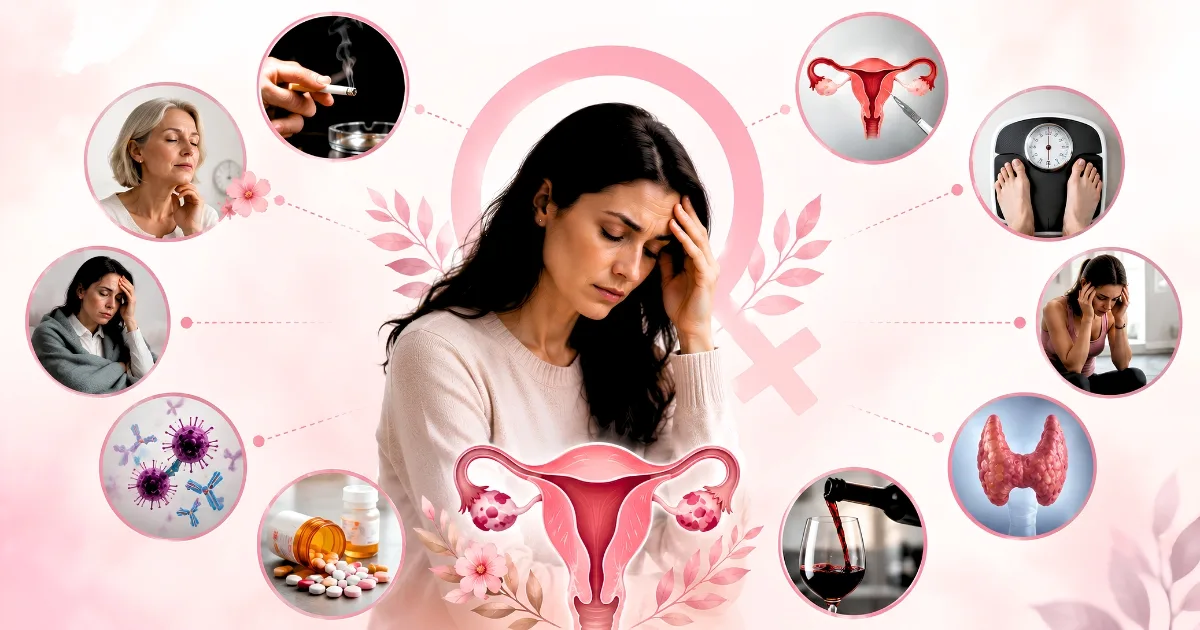
Understanding what causes low estrogen helps explain why the symptoms you experience may differ from those of other women.
Perimenopause and Menopause
The most common cause of low estrogen is perimenopause, the body’s transition to menopause. This process can take anywhere from a few months to several years. Anything that affects the ovaries will affect estrogen production.
Perimenopause usually starts in the four to ten years prior to losing your period, and the average age for menopause is 52. During perimenopause, estrogen does not decline in a straight line. It fluctuates significantly, which is why symptoms of low estrogen can appear even when blood test results look normal.
Medical Treatments
The medical causes for low estrogen are primarily cancer treatment, including chemotherapy or radiation to the ovaries. There are also breast cancer medications like aromatase inhibitors that block estrogen function, causing levels to drop.
Excessive Exercise and Low Body Weight
Excessive exercise can contribute to low estrogen. Your body requires a certain level of body fat to produce estrogen, and when fat stores drop too low through extreme dieting or overtraining, estrogen production decreases.
The National Collegiate Athletic Association and International Olympic Committee have created educational materials for women athletes about the female athlete triad of low estrogen, lost periods, and bone loss and how to address it to ensure optimal health and performance.
Postpartum and Breastfeeding
Breastfeeding has been linked to some low estrogen symptoms such as vaginal dryness and discomfort. During breastfeeding, the hormone prolactin suppresses estrogen production. This is temporary and estrogen typically returns to normal levels once breastfeeding stops.
Other Medical Conditions
Low estrogen at a younger age could be due to premature or early menopause or another health condition such as PCOS, Turner syndrome, hypothyroidism, chronic kidney disease, or primary ovarian insufficiency.
Risk factors for low estrogen also include having a family history of hormonal problems like ovarian cysts and having problems with the pituitary gland.
Other Low Estrogen Causes
While menopause is the most common reason for declining estrogen, there are several other low estrogen causes that should not be overlooked.
These include:
- Premature ovarian insufficiency
- Eating disorders
- Very low body weight
- Excessive exercise
- Certain medications
- Chemotherapy or radiation therapy
- Pituitary gland disorders
- Autoimmune conditions
Finding the underlying cause is important because treatment may differ depending on why estrogen levels are low.
How Is Low Estrogen Diagnosed?
Diagnosing low estrogen involves a combination of symptom assessment and hormone testing. Your doctor will review your symptoms, menstrual history, age, and health history.
A perimenopause blood test panel typically measures estradiol (the primary form of estrogen), FSH (follicle-stimulating hormone), LH (luteinizing hormone), and sometimes testosterone and thyroid hormones. Thyroid testing is particularly important because thyroid dysfunction mimics many symptoms of low estrogen including fatigue, weight changes, mood shifts, and temperature sensitivity.
If you suspect low estrogen, your primary care provider can order a blood test. It is the only way to know whether your estrogen levels are low.
Low Estrogen Side Effects if Left Untreated
Over time, untreated low estrogen may lead to several low estrogen side effects beyond hot flashes and irregular periods.
Possible long-term effects include:
- Bone loss
- Osteoporosis
- Increased fracture risk
- Heart disease
- Persistent vaginal dryness
- Reduced fertility
- Mood disorders
- Poor quality of sleep
Early diagnosis and treatment may help reduce these risks.
How to Treat Symptoms of Low Estrogen Naturally

Many women prefer to start with natural approaches before considering medical interventions. Several evidence-supported strategies can help raise estrogen levels or reduce symptom severity.
Eat Phytoestrogen-Rich Foods
Phytoestrogens are plant-based compounds that imitate the natural estrogens found in your body. They can bind to your body’s estrogen receptors and produce similar effects. While they may not be as potent as estrogens you produce yourself, some studies suggest that they can combat certain symptoms associated with low estrogen levels. Foods that are valuable sources of dietary estrogen include soy products such as tofu, tempeh, edamame, miso, and soy milk.
Other phytoestrogen-rich foods include flaxseeds, sesame seeds, chickpeas, lentils, and whole grains.
Support Your Body With Key Vitamins and Minerals
Vitamins and minerals help your body produce estrogen and use it more effectively. To support estrogen levels consider adding boron, a mineral that helps your body absorb testosterone and estrogen, vitamin B which helps your body create and use estrogen, vitamin D which functions as a hormone in the body and helps with estrogen production, and vitamin E because research shows vitamin E may help reduce hot flashes and insomnia.
Magnesium is another important mineral for hormonal health, supporting the enzymes involved in estrogen production and helping reduce cortisol, which interferes with hormone balance.
Manage Stress
Chronic stress raises cortisol, which directly suppresses estrogen production. Reducing stress is good for your overall wellbeing. Managing cortisol levels through consistent stress reduction practices supports your body’s ability to release hormones properly.
Daily practices like meditation, deep breathing, yoga, and spending time in nature all help lower cortisol and support healthier hormone levels.
Exercise Moderately
Aim for moderate exercise, as overexercise can contribute to low estrogen. The goal is consistent, moderate movement rather than intense training. Walking, swimming, strength training at moderate intensity, and yoga support healthy hormone balance without stressing your body’s estrogen production.
Prioritize Sleep
Getting enough sleep recharges your body so that it can release hormones properly. Aim for 7 to 9 hours each night. Create a consistent sleep schedule, keep your bedroom cool and dark, and limit screen time before bed to support estrogen’s role in your sleep-wake cycle.
Use Herbal Support
Herbal supplements containing phytoestrogens may be one of the best ways to support estrogen levels. Black cohosh, traditionally used to support menstrual and menopausal health, is among the commonly used herbal options.
Red clover research shows this herbal supplement is effective at alleviating hot flashes in menopausal women. Always consult your doctor before starting herbal supplements, particularly if you take medications or have a history of hormone-sensitive conditions.
Medical Treatment Options for Low Estrogen
When natural approaches do not provide sufficient relief, medical treatments offer more direct support for symptoms of low estrogen in women.
Treatment options for low estrogen can include hormone replacement therapy (HRT), lifestyle modifications, dietary changes, supplements, and emerging precision medicine approaches that aim to address individual hormonal needs and improve overall quality of life.
For women 25 to 50 years old, doctors may prescribe estrogen therapy, sometimes called estrogen supplementation, in oral, topical, vaginal, or injection form.
For hot flash management, there is actual clear research and data supporting specific treatments. For vaginal dryness, local treatment with non-hormonal vaginal moisturizers is often the first recommendation. For mood issues, an antidepressant may be considered if mood is the major concern with hot flashes as a secondary issue.
Hormone replacement therapy requires careful discussion with your doctor, including consideration of your age, health history, symptom severity, and personal preferences. Many women find significant relief with HRT when it is appropriately prescribed and monitored.
How Long Does It Take for HRT to Start Working?
Many women wonder, how long does it take for HRT to start working?
Some women begin noticing improvement in hot flashes and night sweats within 2 to 4 weeks. However, it may take up to 3 months for hormone replacement therapy (HRT) to provide its full benefits. Improvements in bone health, vaginal tissue, and overall hormone balance may take even longer.
Your response depends on the type of HRT, the dose, and your individual health. Always continue treatment as directed by your healthcare provider unless advised otherwise.
When to See a Doctor About Low Estrogen Symptoms
It is essential to see a healthcare provider if you have persistent or worsening symptoms, irregular or absent periods greater than three months, signs of bone loss or broken bones more than once, severe mood changes, or difficulty sleeping or an inability to function on a daily basis.
Symptoms of low estrogen in women under 40 should always receive prompt medical evaluation. Early menopause or primary ovarian insufficiency in younger women carries significant long-term implications for bone, cardiovascular, and cognitive health that benefit from early intervention.
How Conscious Medicine Supports Women With Low Estrogen
At Conscious Medicine, we understand that low estrogen symptoms affect every aspect of a woman’s daily life. Our functional medicine approach goes beyond managing individual symptoms to identify the underlying hormonal drivers and design a comprehensive, personalized plan.
We offer thorough hormone testing including estradiol, FSH, LH, progesterone, testosterone, thyroid hormones, and other relevant markers. Our experienced practitioners interpret your results in full clinical context, not just against standard lab ranges.
Whether you prefer natural hormone support, bioidentical hormone therapy, targeted supplementation, or a combination approach, we create a treatment plan that fits your individual health goals, life stage, and preferences.
Explore our menopause hormone wellness support, women’s health optimization services, and hormone imbalance guidance to learn how we help women restore hormonal balance and feel like themselves again.
Conclusion
The symptoms of low estrogen in women are wide-ranging, deeply personal, and frequently dismissed. From hot flashes and vaginal dryness to bone loss, brain fog, mood swings, and heart health concerns, low estrogen leaves a significant mark on a woman’s quality of life.
Recognizing the signs of low estrogen in women early makes a meaningful difference. Whether the decline results from natural aging, perimenopause, medical treatment, or another cause, you have options. Natural approaches including phytoestrogen-rich foods, targeted vitamins and minerals, stress management, and moderate exercise can provide meaningful support. For more significant symptoms, medical treatments including hormone replacement therapy offer well-researched and effective relief.
Understanding your low estrogen symptoms is not about accepting discomfort as inevitable. It is about taking informed action to support your body through every stage of life.
Key Takeaways
- Low estrogen levels can cause a wide range of symptoms including physical issues like hot flashes and breast tenderness, cognitive problems such as brain fog and mood swings, and sexual health challenges like decreased libido and vaginal dryness.
- The most common cause of low estrogen is perimenopause, the body’s transition to menopause, a process that can take anywhere from a few months to several years. Symptoms of low estrogen before age 40 may be a sign of primary ovarian insufficiency.
- 69% of young women with coronary artery disease have low levels of estrogen compared with just 29% of their heart-healthy counterparts, highlighting the critical role estrogen plays in cardiovascular protection.
- Reduced estrogen is associated with lower bone mineral density and higher risk for fragility fractures in postmenopausal women, making early recognition and treatment of low estrogen essential for long-term skeletal health.
- Natural approaches including phytoestrogen-rich foods, vitamin D, magnesium, moderate exercise, stress management, and quality sleep can all help support estrogen levels and reduce symptom severity before or alongside medical treatment.
Frequently Asked Questions
What are the most common symptoms of low estrogen in women?
The most common symptoms of low estrogen in women include irregular periods, hot flashes, difficulty sleeping, mood swings, and headaches. These signs of low estrogen in women can all relate to low levels of the hormone estrogen. Additional common signs include vaginal dryness, brain fog, joint pain, low libido, and hair thinning. Symptoms vary depending on age, the degree of estrogen decline, and individual health factors.
Can low estrogen affect young women or only those going through menopause?
Low estrogen can develop with age, but young people can also experience low estrogen. Risk factors include excessive exercise, eating disorders or extreme dieting, a family history of hormonal problems like ovarian cysts, chemotherapy or radiation therapy, and problems with the pituitary gland. Symptoms of low estrogen before age 40 should be evaluated promptly for conditions like premature ovarian insufficiency.
How do I know if my symptoms are from low estrogen or something else?
If you suspect low estrogen, your primary care provider can order a blood test. It is the only way to know whether your estrogen levels are low. Because many symptoms of low estrogen overlap with thyroid disorders, depression, and other conditions, a comprehensive hormone panel including TSH and other markers helps identify the true cause of your symptoms rather than treating them individually without addressing the hormonal root.
What foods help with symptoms of low estrogen?
Many foods contain phytoestrogens that imitate the natural estrogens in your body and can combat certain symptoms associated with low estrogen levels. Foods that are valuable sources of dietary estrogen include soy products such as tofu, tempeh, edamame, miso, and soy milk. Other helpful foods include flaxseeds, sesame seeds, chickpeas, lentils, whole grains, and cruciferous vegetables that support estrogen metabolism.
Is hormone replacement therapy the only treatment for low estrogen?
No. Treatment options for low estrogen can include hormone replacement therapy, lifestyle modifications, dietary changes, supplements, and emerging precision medicine approaches that aim to address individual hormonal needs and improve overall quality of life. Many women successfully manage symptoms through a combination of phytoestrogen-rich nutrition, targeted supplementation, stress reduction, and moderate exercise. HRT offers more direct relief for severe symptoms and is safe for many women when appropriately prescribed by an experienced provider.
What are the most common low estrogen symptoms women experience?
The most common low estrogen symptoms women experience include hot flashes, irregular periods, vaginal dryness, mood swings, poor sleep, headaches, brain fog, and joint pain. Symptoms vary depending on age and hormone levels.
What are the symptoms of low estrogen in women?
The symptoms of low estrogen in women commonly include fatigue, hot flashes, night sweats, irregular periods, vaginal dryness, low libido, mood changes, and difficulty concentrating. A healthcare provider can confirm low estrogen through blood testing.
What are the side effects of low estrogen?
Some common low estrogen side effects include bone loss, reduced muscle strength, dry skin, hair thinning, mood changes, sleep problems, weight gain, and increased risk of osteoporosis if left untreated.