The pain in the knees breaks the work, play, and sleep. Knee gel injections provide a non-surgical avenue for decreasing pain and enhancing movement. This guide expounds on the mechanism of these shots, expectations, side effects and the decision on whether they are worth it.
What are knee gel injections?
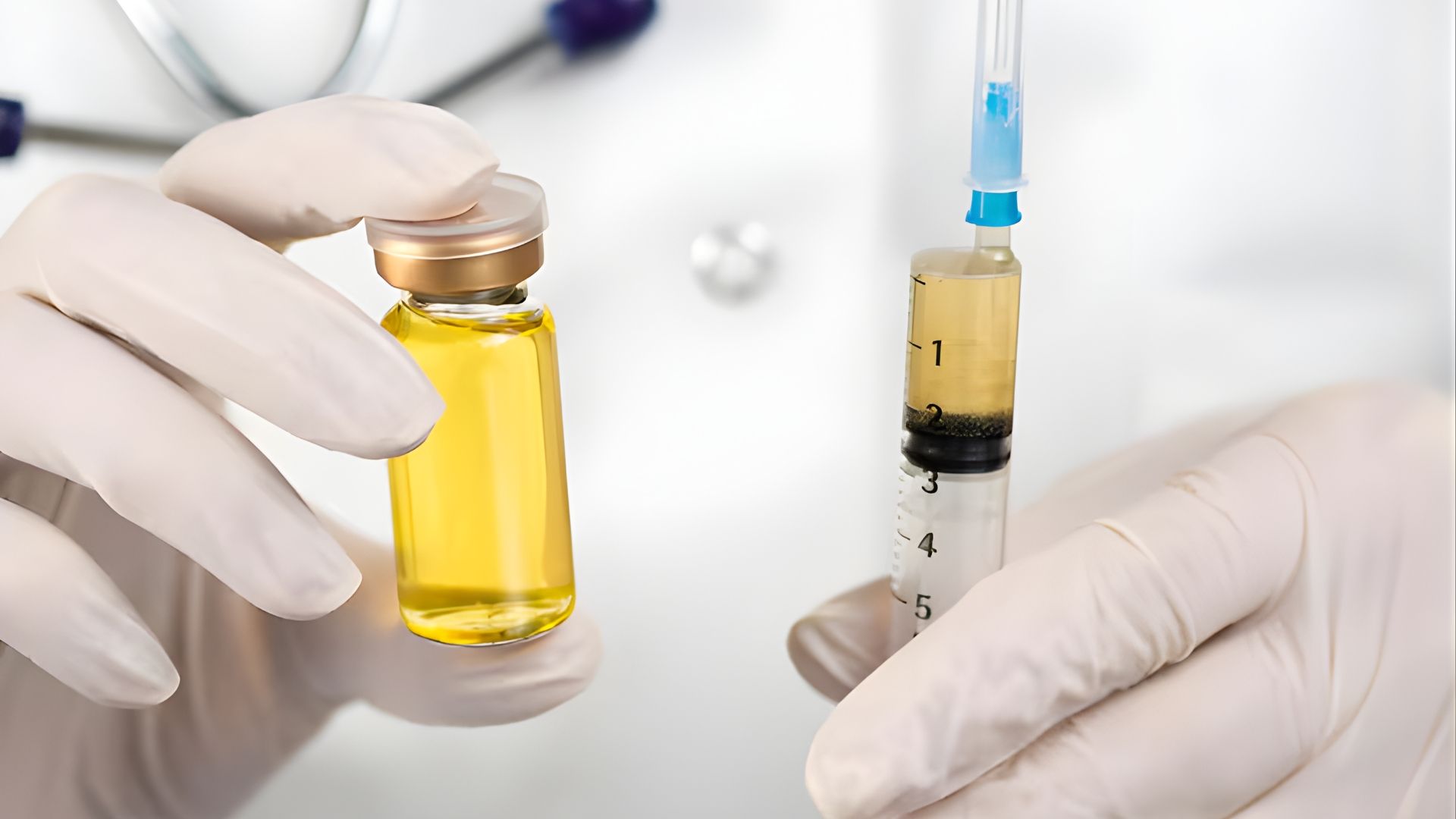
Knee gel injections are injections of hyaluronic acid that are administered by knee experts to replenish lubrication within the joint. Hyaluronic acid is a natural lubricant in the joints. Fluid in osteoarthritis becomes thinned and of poor quality.
Viscosupplement is the gel layer that will be added in order to enhance shock absorption and reduce friction. Hydrogel injections are also heard of by people, hyaluronic acid gel injections into the knees or a knee shot. This is represented by the common products such as Durolane, Synvisc, Euflexxa, and Orthovisc.
Can viscosupplementation treat arthritis in other joints?
The evidence is greatest in the knees. Other clinics apply a viscosupplement in the ankles, shoulders or hips. Findings differ across joints, level of intensity, and movements. Knee outcomes should be the first thing to consider when making choices.
What happens before you get knee gel injections?
- Confirm diagnosis with exam and imaging when needed
- Review allergies, blood thinners, and prior injection reactions
- Discuss recent flares or pain after the cortisone shot in the knee to plan timing
- Plan a light day after the visit
- Wear clothing with easy knee access
What is the procedure to get knee gel injections?
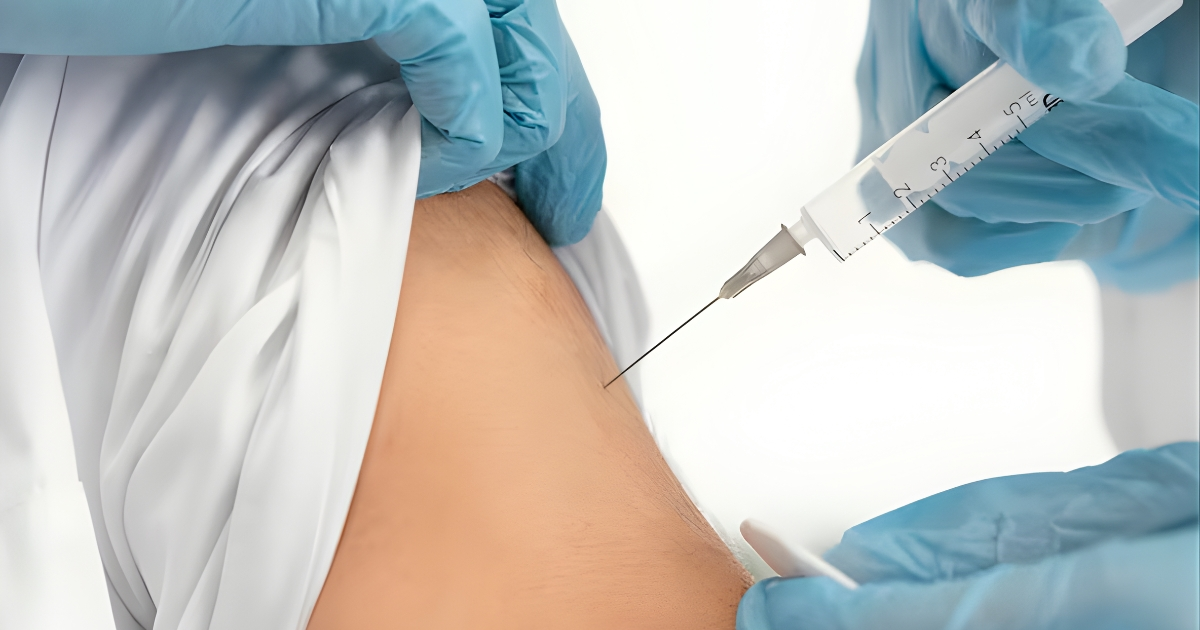
- Skin cleaning and local numbing
- Ultrasound guidance in many clinics for precise placement
- Single syringe for products like Durolane or a short series for others
- Room time is often 15 to 30 minutes
- You walk out on your own
What happens after the procedure?
Most people report mild soreness or fullness at the joint for one to three days. Use short walks and relative rest. Ice for 10 to 15 minutes a few times on day one. Avoid deep squats and high impact during the first 48 to 72 hours.
Gel injection in the knee recovery time is usually fast. Many return to desk work the same day or the next morning.
How often do you get knee gel injections?
Single injection products repeat every 6 to 12 months based on response. Series products repeat per label and outcomes. Track pain, steps, and activity tolerance. If relief fades fast, discuss other options, including bracing or strengthening blocks.
How do knee gel injections help with arthritis pain?
- Improve lubrication between cartilage surfaces
- Reduce mechanical friction
- Support a calmer joint environment
- Enable better movement so strength work and gait retraining deliver results
- Lower peak load during walking and stairs
Gel injections focus on improving joint lubrication and movement, not repairing damaged tissues.
Another option is PRP injection for knee pain, which focuses on tissue healing, while gel injections mainly improve joint lubrication.
Do knee gel injections have any side effects?
Most side effects of knee gel injections are mild and short-lived.
- Injection site pain, warmth, or swelling for 24 to 72 hours
- Temporary stiffness or a short pain flare
- Small bruise at the injection site
Less common side effects of knee gel injections include:
- Allergic reaction to a product or prep solution
- Pseudosepsis-like flare in sensitive individuals
- Infection is rare with sterile technique
Call your clinic for redness, heat, fever, or worsening pain after day two. People with severe allergies or bleeding disorders need extra review before treatment.
Are gel shots better than cortisone shots?
Each has a role.
- Onset- Steroid shots often reduce pain within days. Gel shots build relief over 2 to 6 weeks
- Duration- Steroid relief often lasts weeks. Gel shots often last months
- Tissue effects- Repeated steroid use may weaken tissue. A viscosupplement focuses on lubrication
- Best use- Cortisone fits hot, inflammatory flares. Gel shots fit grinding pain, stiffness, and load issues.
Many programs use both at different times in a care plan. Sequence matters. Your clinician will guide the order.
Are knee gel injections worth it?
For mild to moderate osteoarthritis, yes, worth a fair trial. Best results arrive when you pair the injection with a plan.
- Strengthen quads, hips, and calves two to three days each week
- Improve gait and balance
- Use aligned footwear or a brace when needed
- Keep low-impact cardio in the mix
- Manage weight to reduce joint load
Expected timeline:
- 2 to 6 weeks. Gradual drop in daily pain and swelling
- 6 to 12 weeks. Longer walks, easier stairs, more confidence
- Duration. Relief often holds for 4 to 9 months, then repeat timing depends on response.
When should I contact the doctor?
- Fever, chills, spreading redness, or drainage
- Sharp pain that worsens after day two
- Large swelling that limits walking
- New numbness or weakness
- No improvement by week three despite following the plan
Conclusion
Gel injections in the knee put back the lubrication that the joint requires to move more easily. Relief escalates in the course of weeks and on most occasions months. The shot is a component of the solution. Combine it with strength, walking exercises, smart shoes and weight management to ensure long-lasting outcomes. A viscosupplement would be a good follow-up to a focused knee joint injection with minimal downtime. Write down a plan, plan your visit and work it out.
FAQ’s
How long do knee gel injections last?
Knee gel injections typically last 4 to 6 months, with some patients getting relief for up to 12 months. Single-injection products like Durolane often last 6-12 months. Relief builds gradually over 2-6 weeks and can be repeated when symptoms return.
Can knee gel injections be repeated?
Yes, knee gel injections can be safely repeated every 6 months when pain returns. Unlike cortisone shots, gel injections don’t lose effectiveness with repeated use and are safe for long-term management of knee arthritis.
What is the difference between gel shots and cortisone shots?
Gel shots lubricate the joint and last 4-6 months but take 2-6 weeks to work. Cortisone shots reduce inflammation quickly (1-3 days) but only last 2-3 months. Gel shots are safer for repeated use, while cortisone works better for sudden flare-ups.
Who is a good candidate for knee gel injections?
Good candidates have mild to moderate knee osteoarthritis and haven’t found relief from physical therapy, medications, or lifestyle changes. It works best if you’re not ready for surgery, don’t have severe bone-on-bone damage, and are willing to combine injections with exercise and weight management.
What are the side effects of knee gel injections?
Most side effects are mild—pain, swelling, or stiffness at the injection site for 1-3 days. About 5% of patients get a temporary pain flare. Serious problems like infection are very rare (less than 1%). Ice and rest for 48 hours usually helps with any discomfort.