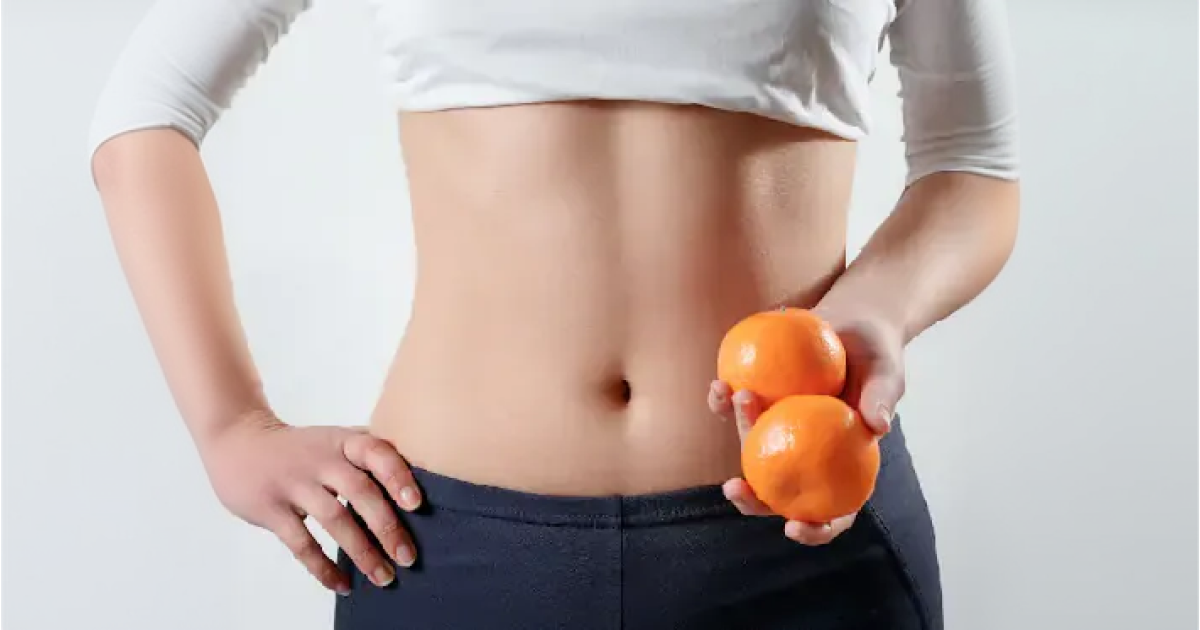
If you’ve recently been diagnosed and are learning what PCOS (Polycystic Ovary Syndrome) is, you may start noticing changes in your body, especially around your stomach. Many women experience a distinct pattern of abdominal weight gain known as PCOS belly. This is not ordinary weight gain but a hormonally driven change linked to insulin resistance and hormonal imbalance.
This belly pattern often becomes part of a recognizable PCOS body type or PCOS body shape, where fat accumulates mainly around the midsection. In this guide, we’ll clearly explain what PCOS belly is, how it forms, how it differs from a normal belly, its health effects, and realistic solutions for managing it without shame or unrealistic expectations.
What Is PCOS Belly?
PCOS belly refers to excess fat accumulation around the abdomen caused by hormonal imbalance rather than overeating alone. This type of fat storage is commonly associated with polycystic ovary syndrome, belly fat, insulin resistance, and elevated androgen levels.
Many women ask what a PCOS belly looks like. It typically appears as:
- A firm or persistent lower belly
- Fat is concentrated in the abdominal area
- A round or apple-shaped PCOS body shape
Unlike temporary bloating, this belly shape does not easily disappear without addressing the underlying hormonal causes.
Types of PCOS and Belly Shape
There are different types of PCOS, such as insulin-resistant PCOS, inflammatory PCOS, and adrenal PCOS. Each type affects pcos body shape and belly fat differently, which is why personalized care matters.
PCOS, Thyroid, and Other Hormonal Bellies
Some women confuse PCOS belly with thyroid-related weight gain. A thyroid belly shape female pattern differs from pcos belly, although both are hormonal. Proper diagnosis ensures correct treatment.
PCOS Belly vs Normal Belly
Understanding PCOS belly vs normal belly is important. A normal belly may fluctuate due to food intake or temporary bloating, while a PCOS belly is hormonally driven and persistent. It is closely linked to insulin resistance and belly fat, not just lifestyle habits.
PCOS Belly vs Endo Belly
Many women confuse PCOS belly vs endo belly. While PCOS causes fat accumulation, endometriosis usually causes painful bloating rather than fat gain. Although PCOS and endometriosis can occur together, their symptoms and belly appearance are different. PCOS belly is metabolic, while endometriosis is inflammatory and pain-focused.
Causes of PCOS Belly:
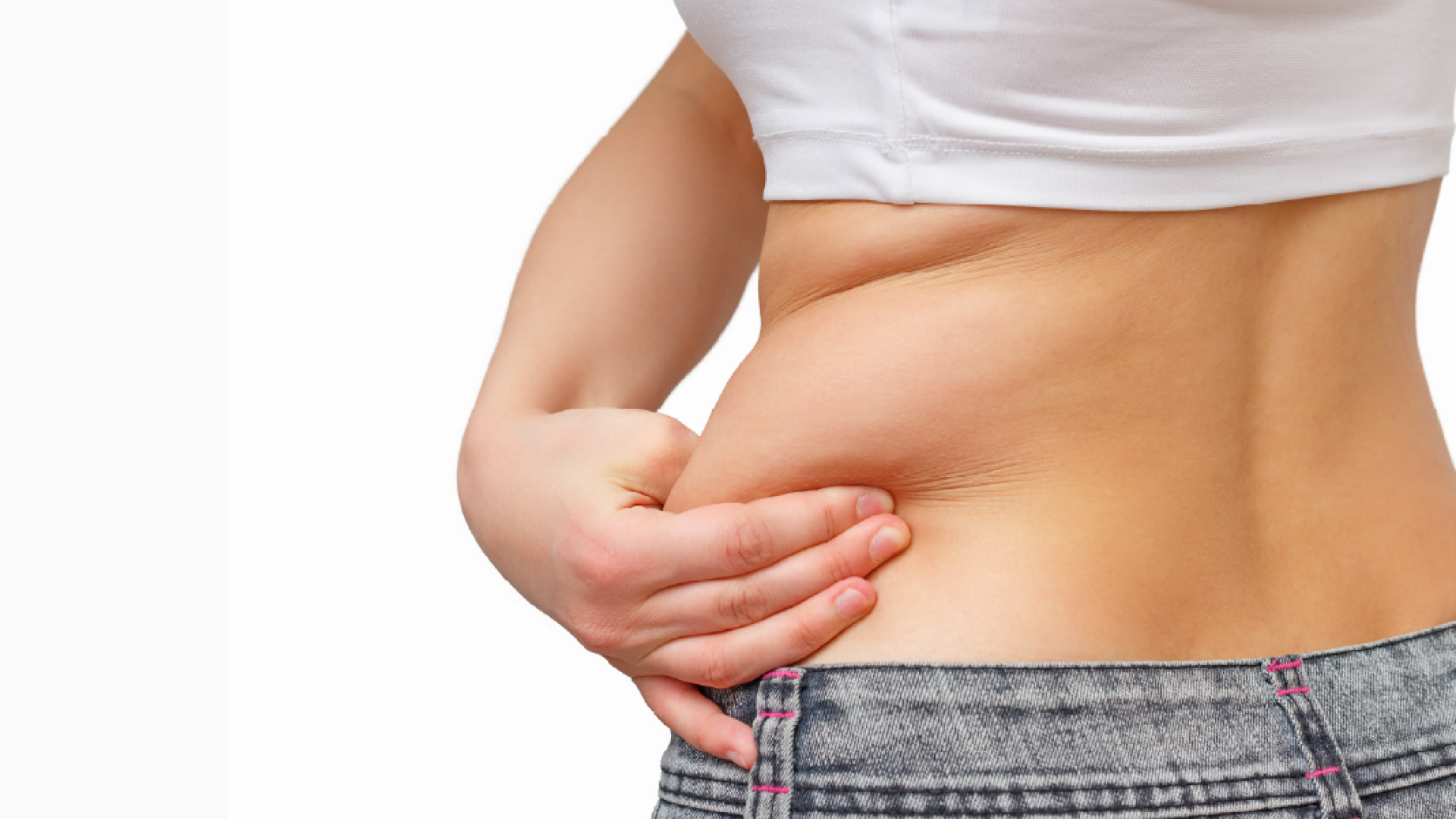
The formation of a PCOS fat stomach is mainly driven by internal metabolic and hormonal disruptions. Two primary factors are responsible.
Insulin Resistance and Belly Fat
Insulin resistance belly fat are two of the most common drivers of PCOS lower belly fat. Insulin helps control blood sugar, but in PCOS, the body’s cells do not respond properly to it. To compensate, the body produces more insulin, which encourages fat storage, especially in the abdominal area.
This is why many women notice PCOS symptoms, such as belly weight gain, even when eating normally. Over time, insulin resistance contributes to a persistent insulin resistance belly and makes losing belly fat with PCOS more difficult.
Androgen Excess and Hormonal Belly Shape
Another major factor is androgen excess. Women with PCOS often have higher levels of male hormones like testosterone. These hormones change how fat is distributed in the body, shifting it away from the hips and thighs and toward the stomach.
This leads to a noticeable hormonal belly shape, forming the classic PCOS belly shape seen in many women with PCOS.
Effects of PCOS Belly on Health and Well-Being
Physical Health Risks
Excess abdominal fat linked to PCOS weight gain increases the risk of:
- Insulin resistance
- Type 2 diabetes
- High blood pressure
- Cardiovascular disease
These risks are often higher in women experiencing irregular periods, PCOS bloating, and frequent PCOS cramps, which are common symptoms of PCOS.
Emotional and Mental Impact
The visible PCOS tummy can significantly affect self-esteem and body image. Comparing pcos belly vs normal belly may lead to frustration, insecurity, and reduced confidence. These feelings are often intensified by fertility concerns such as PCOS and pregnancy, or questions like can you get pregnant if you have PCOS.
Solutions for Managing PCOS Belly- How to Get Rid of PCOS Belly?

Managing how to get rid of PCOS belly requires a long-term, holistic approach focused on hormone balance rather than quick fixes.
Balanced Diet for PCOS Belly
A supportive diet for PCOS belly focuses on stabilizing blood sugar and reducing insulin resistance. Prioritize:
- Fruits
- Vegetables
- Whole grains
- Lean proteins
- Healthy fats
Avoid processed foods, sugary snacks, and refined carbohydrates that worsen insulin resistance, belly fat, and increase PCOS weight gain.
Exercise and Movement
Regular movement improves insulin sensitivity and supports losing belly fat with PCOS. A mix of cardio and strength training works best. Targeted exercises for PCOS belly and gentle PCOS tummy exercises can help improve muscle tone while supporting hormonal health.
Stress Management
Chronic stress increases cortisol levels, contributing to a stress belly shape. Practices such as:
- Meditation
- Yoga
- Deep breathing
help regulate hormones and support effective PCOS belly treatment.
Medical Support and Treatment
Doctors may recommend medications such as birth control for PCOS, insulin-sensitizing drugs, or hormone-regulating therapies as part of comprehensive pcos treatments. These options help manage symptoms, regulate cycles, and reduce abdominal fat over time.
Supportive Clothing
High-waisted underwear or belly bands can help smooth the PCOS body type appearance and provide comfort and confidence.
How Is PCOS Diagnosed?
Many women wonder how to test for PCOS or how gynecologists check for PCOS. Diagnosis typically includes:
- Medical history review
- Blood tests
- Ultrasound imaging
This confirms pcos diagnosis, sometimes showing bilateral polycystic ovaries. Understanding how to diagnose PCOS is crucial for early and effective management.
What are The Signs and Symptoms of PCOS?
Common signs of PCOS and symptoms of PCOS include:
- Irregular periods
- PCOS bloating
- PCOS cramps
- Weight gain
- Hormonal acne
A signs of PCOS quiz may help with awareness, but medical testing is essential for confirmation.
Difference Between PCOS and PCOD
The difference between PCOS and PCOD lies in severity and long-term impact. PCOS is a chronic endocrine condition, while PCOD is often lifestyle-related and more reversible.
Words of Advice
Your PCOS body type and PCOS belly shape do not define your worth. Managing PCOS is a gradual journey. With consistent lifestyle changes, proper medical guidance, and emotional support, meaningful improvement is possible.
Learning how to naturally heal PCOS through nutrition, movement, stress control, and sleep can significantly support long-term health.
Conclusion
Understanding PCOS belly shape begins with recognizing its hormonal and metabolic causes. By learning what PCOS is, identifying PCOS symptoms, and adopting sustainable habits, women can take control of their health.
Managing how to get rid of PCOS belly is not about perfection; it’s about progress, patience, and self-care. Focus on health, not comparison, and remember that your journey reflects resilience and strength.
Frequently Asked Questions (FAQs)
1. What is PCOS?
PCOS (Polycystic Ovary Syndrome) is a hormonal disorder that affects how a woman’s ovaries function. It is commonly linked to hormone imbalance, insulin resistance, irregular ovulation, and symptoms such as weight gain, acne, excess hair growth, and fertility challenges. PCOS can also influence body shape, including the development of a PCOS belly.
2. What are the most common symptoms of PCOS?
The most common symptoms of PCOS include irregular periods, weight gain, PCOS bloating, acne, hair thinning, excessive facial or body hair, fatigue, and difficulty getting pregnant. Symptoms can vary widely from person to person and may change over time.
3. What are the early signs of PCOS?
Some early signs of PCOS include irregular or missed periods, sudden weight gain (especially around the belly), persistent acne, increased hair growth on the face or body, and PCOS bloating. Early identification helps with the timely management and prevention of complications.
4. Can irregular periods be a sign of PCOS?
Yes, irregular periods are one of the most common signs of PCOS. This happens because hormonal imbalance affects ovulation, leading to delayed, skipped, or unpredictable menstrual cycles. Persistent irregular periods should always be evaluated by a healthcare provider.
5. What causes PCOS bloating?
PCOS bloating is often caused by hormonal fluctuations, insulin resistance, inflammation, and digestive sensitivity. It can feel like abdominal swelling and may worsen around the menstrual cycle or after eating certain foods.
6. How is PCOS diagnosed?
A PCOS diagnosis is usually made using a combination of medical history, symptom evaluation, blood tests, and ultrasound imaging. Doctors look for signs such as hormonal imbalance, irregular ovulation, and polycystic ovaries before confirming the condition.
7. How do you test for PCOS?
Many women ask how to test for PCOS. Testing may include hormone blood tests, insulin and glucose tests, and a pelvic ultrasound. A healthcare provider will interpret these results along with symptoms to make an accurate diagnosis.