
Just as you’re beginning to understand how your gut health impacts your overall well-being, it’s crucial to identify which foods can either support or hinder your healing journey. A leaky gut can lead to various health issues, and the right diet plays a vital role in recovery.
In this post, you’ll discover ten specific foods you should eat, which are known for their healing properties, and others you should avoid to prevent further inflammation and discomfort. This comprehensive guide covers the diet for healing leaky gut, what a leaky gut diet is, and natural treatment approaches for leaky gut.
What is Leaky Gut Syndrome?
For many, leaky gut syndrome can feel like a mysterious yet pervasive health issue. It occurs when the intestinal lining becomes damaged, allowing undigested food particles, toxins, and bacteria to enter the bloodstream. This breach can trigger inflammation and an immune response, leading to a plethora of health problems. Recognizing leaky gut syndrome is crucial for taking effective steps towards healing and improving your overall well-being.
An increasing number of health experts are discussing leaky gut syndrome as a growing concern in our modern diet. Essentially, it refers to the increased permeability of the intestinal walls, which can disrupt gut health and lead to systemic issues. Understanding this condition is key to evaluating your dietary choices and managing your health effectively. Learning about the leaky gut syndrome diet helps you make informed food choices.
Leaky Gut Syndrome Symptoms
What you may not realize is that the signs and symptoms of leaky gut syndrome can be quite varied, often overlapping with other health conditions. Common indicators include digestive problems, food intolerances, fatigue, joint pain, and skin issues. The causes of this syndrome are also diverse, ranging from poor diet and chronic stress to lack of sleep and certain medications.
Leaky Gut Syndrome Causes
Causes of leaky gut can be linked to several lifestyle and environmental factors. A diet high in processed foods, sugar, and unhealthy fats can weaken the gut lining over time. Additionally, chronic stress and insufficient sleep can hinder gut health by disrupting your body’s natural healing processes. Inflammation and disturbances caused by infections or medications, such as antibiotics or non-steroidal anti-inflammatory drugs (NSAIDs), can further exacerbate the condition, making it necessary for you to uncover the root causes in order to facilitate healing.
Is Leaky Gut Real or Recognized by Doctors?
Yes, leaky gut is real. Many doctors and researchers understand it as increased intestinal permeability. Some doctors avoid the term leaky gut because it sounds informal, but the condition itself is scientifically proven. Studies show that a weak gut barrier is linked to many health problems, such as inflammatory bowel diseases and some autoimmune conditions.
Why Does Leaky Gut Develop?
The root cause of leaky gut is long-term inflammation inside the gut. This slow irritation damages the gut lining little by little. Over time, the lining becomes weak and allows harmful substances to enter the body.
Many common lifestyle factors create this kind of irritation.
How Do You Test for Leaky Gut?
Doctors can measure gut permeability using medical tests.
- The lactulose and mannitol test checks how much of these sugars pass through the gut wall.
- The zonulin blood test measures a protein linked to gut permeability.
- A stool test shows inflammation levels and checks the balance of gut bacteria.
These tests help doctors understand how well your gut barrier is working.
How to Heal Leaky Gut Syndrome Naturally?

Understanding how to improve gut health naturally involves a comprehensive approach that includes diet, lifestyle changes, and targeted supplementation. Healing leaky gut requires patience and consistency with the right strategies.
Foods to Take
Assuming you’re navigating the complexities of a leaky gut diet, incorporating the right foods can significantly aid your recovery. Prioritizing nutrient-dense options that promote gut health is important. These leaky gut foods to eat not only help to heal your gut lining but also reduce inflammation, support digestion, and maintain overall wellness. A strategic approach to your diet for leaky gut can lead to noticeable improvements in your symptoms and overall well-being.
Anti-Inflammatory Foods
To reduce inflammation and promote healing, include anti-inflammatory foods in your diet. These foods that heal leaky gut, such as leafy greens, berries, and fatty fish, can help mitigate gut-related issues. By focusing on a diet rich in antioxidants and omega-3 fatty acids, you’ll foster a more balanced gut environment, aiding in the repair process. These are among the best foods for leaky gut healing.
Probiotic-Rich Foods
To bolster your gut health, it’s crucial to include probiotic-rich foods in your meals. These leaky gut foods, like yogurt, kefir, sauerkraut, and kombucha, introduce beneficial bacteria into your digestive system, promoting a balanced microbiome that supports your gut’s healing journey. These foods for leaky gut are essential for recovery.
Foods rich in probiotics not only aid digestion but also enhance nutrient absorption and immune function. By incorporating these items into your regular diet, you’ll foster a gut environment that is resilient and less prone to inflammation. Such beneficial bacteria can help replenish your gut flora, which is especially important in the face of leaky gut syndrome. These foods good for leaky gut create lasting digestive health.
Bone Broth and Collagen
Bone broth and collagen are excellent additions to your leaky gut diet. Bone broth is rich in gelatin and amino acids that support gut lining repair, while collagen contributes to skin, joint, and gut health. These nutrient-dense options are easy to incorporate into your meals and offer a multitude of health benefits. These are powerful foods for healing leaky gut.
It’s important to consider that both bone broth and collagen are easy to digest and can soothe an inflamed gut. They provide critical nutrients that help replenish your body’s resources and can lead to improved gut barrier function. Regularly consuming these foods can help you recover faster from leaky gut symptoms and maintain overall digestive health. These foods to heal leaky gut are foundational for recovery.
Is Avocado Good for Leaky Gut?
Many people ask, “Is avocado good for a leaky gut? Yes, avocado leaky gut benefits are significant. Avocados are rich in healthy fats, fiber, and anti-inflammatory compounds that support gut healing. The monounsaturated fats in avocados help reduce inflammation, while their fiber content feeds beneficial gut bacteria. Including avocado in your leaky gut food plan provides essential nutrients that support the intestinal lining repair process.
Foods to Avoid
Not all foods are created equal, especially when it comes to healing a leaky gut. To promote gut health, it’s crucial to avoid certain foods that can exacerbate inflammation and disrupt your digestive system. Understanding foods to avoid when healing your gut and foods to avoid with leaky gut will help you facilitate the healing process while reducing symptoms associated with a leaky gut. These leaky gut foods to avoid are critical to identify.
Processed Foods
One of the primary categories to avoid is processed foods. These items often contain additives, preservatives, and artificial ingredients that can irritate the gut lining and contribute to inflammation. Opting for whole, minimally processed foods can help you maintain a healthier gut environment. These are key foods to avoid when healing your gut.
Sugars and Sweeteners
Sugars can be particularly damaging to your gut health. They feed harmful bacteria and yeast in your intestines, leading to an imbalance known as dysbiosis. Reducing your intake of refined sugars and artificial sweeteners is important for restoring gut health. These are among the leaky gut foods to avoid.
To make matters worse, many sweeteners can also have a laxative effect or contribute to gut permeability issues. By eliminating both natural and processed sugars, you’ll encourage the growth of beneficial gut bacteria and improve your overall gut function. This is essential for the leaky bowel diet.
Gluten and Dairy
Processed grains and dairy can also be problematic for those with a leaky gut. Foods high in gluten can lead to increased intestinal permeability, while dairy products might trigger inflammation or allergies in sensitive individuals. Staying away from these foods can help you manage symptoms more effectively. These are critical foods to avoid with a leaky gut.
This avoidance is especially important if you suspect sensitivity or intolerance. Gluten can provoke an immune response that exacerbates leaky gut, while certain dairy components, like casein, can irritate the gut lining. Eliminating these foods can be a significant step toward healing. Understanding foods to avoid when healing your gut helps you make better choices.
Diet Tips to Heal Leaky Gut
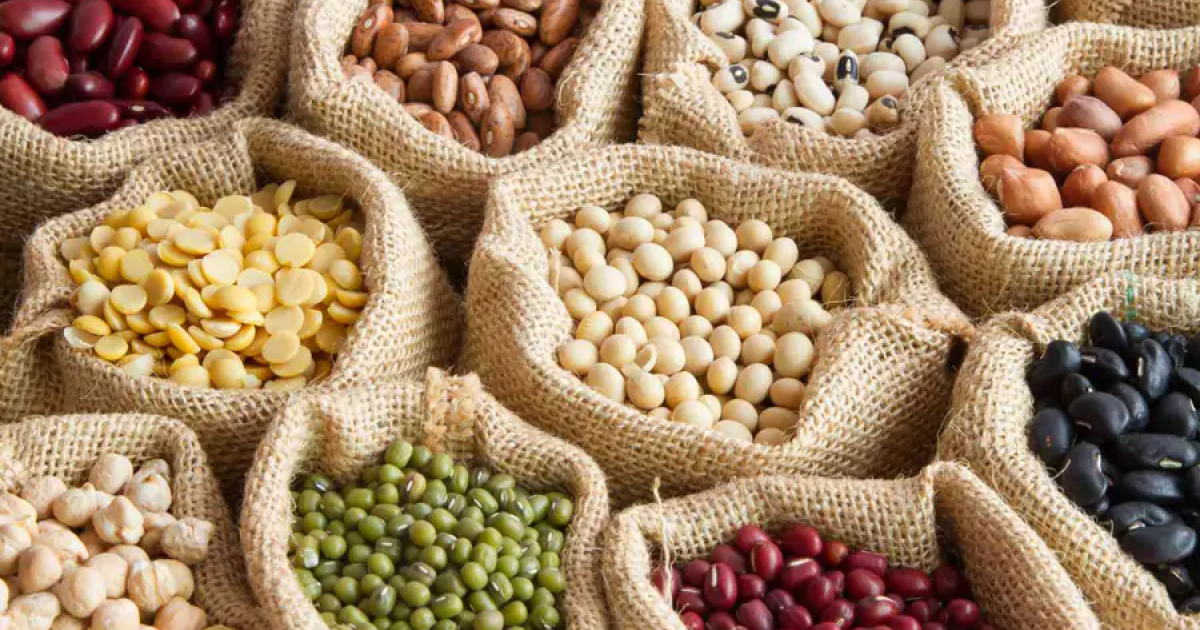
Unlike traditional dietary approaches that might allow for more flexibility, a leaky gut diet necessitates careful attention to what you eat to support your gut health. By emphasizing anti-inflammatory foods, you can foster a healthier gut lining while minimizing potential irritants. This largely involves incorporating nutrient-dense ingredients, limiting processed foods, and being consistent in your meal choices. Start today by making simple swaps in your daily eating habits. These diet strategies for leaky gut create lasting change.
Meal Planning Tips
To maximize the benefits of your leaky gut diet, creating a structured meal plan is crucial. Here are some tips to keep in mind:
- Focus on whole foods such as vegetables, fruits, and healthy fats.
- Plan meals that incorporate easily digestible proteins like fish and poultry.
- Prepare snacks in advance to avoid reaching for unhealthy options
- Experiment with new recipes to keep your diet interesting.
You must adhere to a consistent meal schedule to enhance your progress! This approach to the diet for healing leaky gut ensures success.
Mindful Eating Practices
Any successful leaky gut diet approach also includes mindful eating practices to help you tune into your body’s needs. This means taking the time to appreciate your meals, slowing down your eating pace, and eliminating distractions during meals. These practices support healing leaky gut naturally.
Understanding the importance of your relationship with food can greatly influence how your body responds to dietary changes. By practicing mindful eating, you can become more aware of hunger cues, recognize when you’re full, and improve digestion. Remember to chew your food thoroughly and savor each bite; this not only enhances your meal experience but also supports healthy digestion and nutrient absorption. Make this a priority for both your physical and mental wellbeing as you navigate your leaky gut diet journey. This is how to improve gut health through awareness.
Supplements and Support
To promote healing, taking the right leaky gut supplements can significantly enhance your recovery. These supplements can aid in restoring gut health, improving digestion, and reducing inflammation. Always consult with a healthcare professional before starting any new supplements to ensure they align with your individual health needs and goals. Leaky gut supplements support your natural leaky gut treatment approach.
Beneficial Supplements
Any supplementation that focuses on probiotics, prebiotics, L-glutamine, and omega-3 fatty acids can support gut health. Probiotics help replenish beneficial gut bacteria, while prebiotics serve as food for these microbes, facilitating a balanced microbiome. L-glutamine is an amino acid that aids in repairing the intestinal lining, and omega-3 fatty acids provide anti-inflammatory benefits. These leaky gut supplements are essential for recovery.
Importance of Hydration
The importance of proper hydration cannot be overstated when addressing a leaky gut. Adequate fluid intake helps maintain your gut’s mucosal lining, which aids in digestion and reduces inflammation. Hydration also facilitates nutrient absorption and the elimination of toxins, both crucial for overall gut health and wellbeing. This supports your natural leaky gut treatment plan.
For instance, drinking sufficient amounts of water throughout the day can improve your digestive processes and promote a healthy gut environment. You might also consider herbal teas or infused water with lemon or ginger, which can offer additional benefits while keeping you hydrated. Note that hydration is a simple yet powerful way to support your body in healing and maintaining a healthy gut. Aim for at least eight cups of water daily, adjusting based on your activity levels and overall health. This is essential for healing leaky gut.
Lifestyle Changes for Gut Health
Despite the importance of diet, lifestyle changes also play a crucial role in maintaining gut health. Implementing positive daily habits, such as reducing stress and incorporating regular physical activity, can bolster your body’s ability to heal from a leaky gut. Prioritizing sleep hygiene and managing your environment are important steps you can take to support your digestive health. Remember, consistency is key in making these lifestyle adjustments actionable and effective for long-term wellness. These changes support your leaky gut syndrome diet.
Stress Management
With proper stress management techniques, you can significantly impact your gut health. Chronic stress can disrupt your gut’s microbiome and lead to inflammation. Implementing practices such as mindfulness, meditation, or deep-breathing exercises will help you stay centered, reduce anxiety, and support overall gut wellness. This is vital for healing leaky gut naturally.
Physical Activity
One of the best ways to enhance your gut health is through regular physical activity. Exercise increases blood flow and helps reduce inflammation in your body, which can lead to better gut function. Incorporate activities that you enjoy, whether it’s walking, jogging, yoga, or dancing, to create a sustainable routine that benefits both your physical and digestive health. This supports improving gut health overall.
Plus, engaging in physical activity also encourages the growth of beneficial gut bacteria, promoting a balanced microbiome. Aim for a mix of aerobic and strength-training exercises to maximize benefits. You’ll find that just 30 minutes of moderate activity a few times a week can profoundly impact your overall health, including your gut. Make it a goal to stay active—not only for your digestion but for your overall well-being. This is essential for leaky gut diet success.
Leaky Gut Atlanta: Finding Support
If you’re searching for leaky gut Atlanta resources, Conscious Medicine offers comprehensive support for gut healing. Our functional medicine approach addresses the root causes of leaky gut syndrome and creates personalized treatment plans. We combine dietary guidance, lifestyle modifications, and targeted supplementation to support your healing journey. Our team understands the leaky gut syndrome diet and can guide you through foods for leaky gut healing specific to your needs.
Leaky Gut Food List: Quick Reference
Here’s a quick reference for your leaky gut food choices:
Foods for Leaky Gut Healing (Eat These):
- Bone broth and collagen
- Fermented foods (yogurt, kefir, sauerkraut, kombucha)
- Leafy greens (spinach, kale, chard)
- Healthy fats (avocado, olive oil, coconut oil)
- Wild-caught fish
- Lean proteins
- Low-sugar fruits (berries)
- Easily digestible vegetables (zucchini, carrots)
- Gluten-free grains (quinoa, millet, rice)
- Herbal teas
Leaky Gut Foods to Avoid:
- Processed foods with additives
- Refined sugars and artificial sweeteners
- Gluten-containing grains (wheat, barley, rye)
- Dairy products (especially cow’s milk)
- Alcohol
- Sugary beverages
- Nightshade vegetables (if sensitive)
- Corn
- Soy products
- Artificial ingredients
This leaky gut food list helps you make quick decisions about foods for leaky gut and foods to avoid with leaky gut.
Conclusion
With this in mind, adopting a leaky gut diet necessitates a mindful approach to the foods you consume. Embracing nutrient-dense foods like leafy greens, fermented items, and healthy fats can significantly enhance your gut health. Conversely, it’s crucial to steer clear of processed sugars, gluten, and artificial additives that can exacerbate inflammation. By making these informed dietary choices, you empower yourself to heal your gut, improve your overall wellness, and restore balance to your digestive system.
Understanding what a leaky gut diet is and implementing the right leaky gut foods to eat while avoiding foods to avoid when healing your gut creates a powerful healing protocol. The best foods for leaky gut combined with proper leaky gut supplements and lifestyle changes support complete recovery. Also, you can opt for functional medicine in Atlanta at Conscious Medicine for personalized leaky gut Atlanta support.
FAQ’s
What foods should I embrace on a leaky gut diet?
On a leaky gut diet, it’s necessary to focus on foods that promote gut health and healing. Embrace foods such as fermented products like yogurt and kefir, which contain probiotics that can help restore the gut’s microbiome. Additionally, leafy greens, such as spinach and kale, are rich in vitamins and antioxidants. Bone broth is highly beneficial for its collagen content, which can help repair the gut lining. Healthy fats from sources like avocados and olive oil provide anti-inflammatory benefits, while wild-caught fish and lean proteins can support overall nutrition needs. These leaky gut foods to eat are essential for recovery.
Which common foods should be avoided to improve leaky gut symptoms?
To improve leaky gut symptoms, certain foods should be avoided. This includes refined sugars and artificial sweeteners, which can disrupt gut flora and increase inflammation. Processed foods that contain additives, preservatives, and gluten can contribute to gut damage. Dairy products, particularly those from cows, may aggravate symptoms in some individuals due to lactose intolerance or casein sensitivity. Additionally, grains like wheat and corn should be limited because they contain gluten and can lead to heightened permeability in the gut. These foods to avoid with leaky gut are critical to identify.
Can I still consume fruits and vegetables on a leaky gut diet?
Yes, fruits and vegetables are encouraged on a leaky gut diet, but it’s crucial to choose them wisely. Prioritize low-sugar fruits like berries and vegetables that are easily digestible, such as zucchini and carrots. Avoid nightshade vegetables (like tomatoes and peppers) if you notice increased sensitivity, as some individuals may react negatively to them. Cooking vegetables can also improve digestibility for those with more severe issues, promoting better gut health overall. These are important foods for leaky gut healing.
How does gluten consumption affect leaky gut?
Gluten consumption can exacerbate leaky gut issues for many individuals. Gluten is a protein found in wheat, barley, and rye, and it can trigger an immune response that damages the gut lining, promoting increased intestinal permeability or “leaky gut.” For those with celiac disease or gluten sensitivity, avoiding gluten is necessary to minimize symptoms and encourage healing. It is recommended to opt for gluten-free grains such as quinoa, millet, and rice until gut health improves. This is a key part of the diet for healing leaky gut.
Are there specific beverages I should avoid or include in a leaky gut diet?
When managing a leaky gut, it’s best to avoid sugary beverages, including sodas and sweetened juices, as they can feed harmful bacteria in the gut. Alcohol can also irritate the gut lining and disrupt the microbiome, so it should be limited or eliminated. Instead, opt for beverages that support gut health, such as herbal teas, bone broth, and plenty of filtered water. Fermented drinks like kombucha can also be beneficial due to their probiotic content, promoting a healthier gut environment. These choices support the leaky bowel diet.
What are the best leaky gut supplements?
The best leaky gut supplements include probiotics for beneficial bacteria, L-glutamine for intestinal lining repair, omega-3 fatty acids for inflammation reduction, digestive enzymes for better nutrient absorption, zinc for gut barrier function, and vitamin D for immune support. Always consult with a healthcare provider before starting any supplement regimen to ensure they’re appropriate for your specific needs.
How long does it take to heal leaky gut?
Healing leaky gut varies by individual but typically takes 3-6 months with consistent dietary changes, lifestyle modifications, and appropriate supplementation. Some people notice improvements within weeks, while others may need longer depending on the severity of their condition and adherence to the healing protocol. Working with a functional medicine practitioner can help optimize your healing timeline.