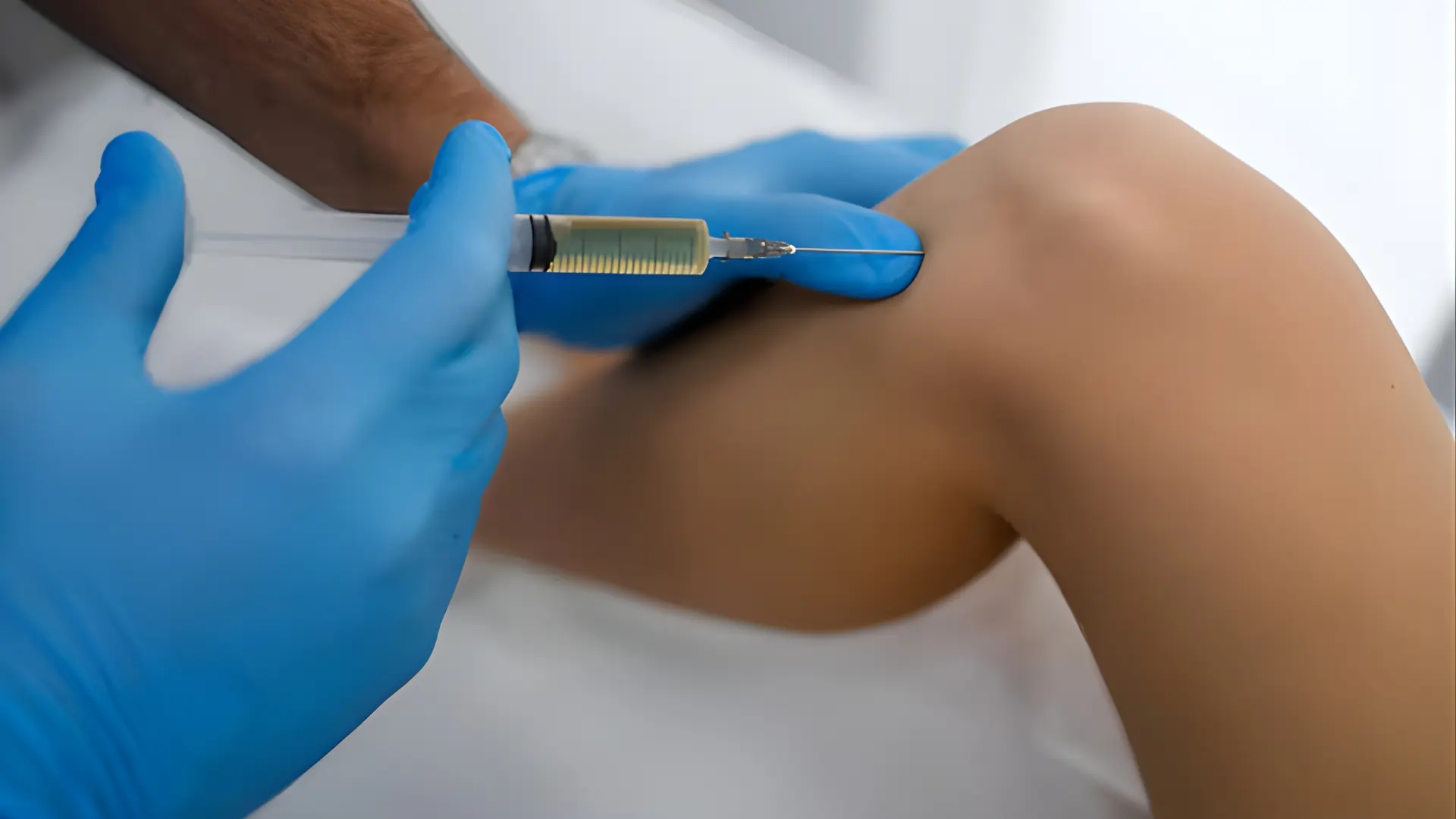
Pain in the knees does not necessarily terminate your active life. Platelet-rich plasma, or PRP, is a non-surgical therapy that involves the use of your blood in order to aid in healing and pain reduction. This guide will provide information about what PRP injections are, how PRP injections work, who PRP injections benefit, realistic recovery timelines of PRP injections, and known risks to enable you to make an informed decision.
What Is a PRP Injection?
PRP (Platelet-Rich Plasma) is a small amount of your blood, which is treated to extract platelets and growth factors. A clinician takes blood, centrifuges it, and isolates the platelet-rich layer and red cells. Platelet-rich plasma is then injected into the knee under sterile conditions, usually with the use of ultrasound.
Since PRP is derived from your own blood, it does not use donor products and instead targets your own natural repair cues.
How Does a PRP Injection Work?
Platelets are the first responders to your body. They are hauling repair-coordinating factors:
- They attract curing cells to the injured part.
- They are not just anti-inflammatory, but rather, they moderate it.
- They aid tendon remodelling and ligament remodelling.
- They enhance the osteoarthritis joint environment by inhibiting catabolic cues.
Normal tissue reaction following PRP appears as follows:
- Days 0 to 3- Short inflammatory phase- Pain or rigidity is widespread.
- Weeks 2 to 6- Repair phase- Pain and functioning start to improve.
- Weeks 6 to 12- Remodelling phase- Rehab makes one stronger and more tolerant.
Who Is PRP (Platelet-Rich Plasma) Best For?
PRP is effective when the knee has a healing potential.
- Mild/moderate knee osteoarthritis.
- Quadriceps tendinopathy or patellar tendinopathy.
- Locking-, or gross-instability-free partial ligament degeneration.
- Persistent knee pain following overuse, strain, or a flare.
- As an addition to surgery, in case your surgeon advises you.
In situations where PRP has fewer chances of benefit:
- Severe bone-on-bone arthritis with severe defects.
- Active infection.
- Lack of control of diabetes or bleeding diseases.
- Strong blood thinners that have not been cleared by the medical personnel.
What are The Benefits of PRP Injections?
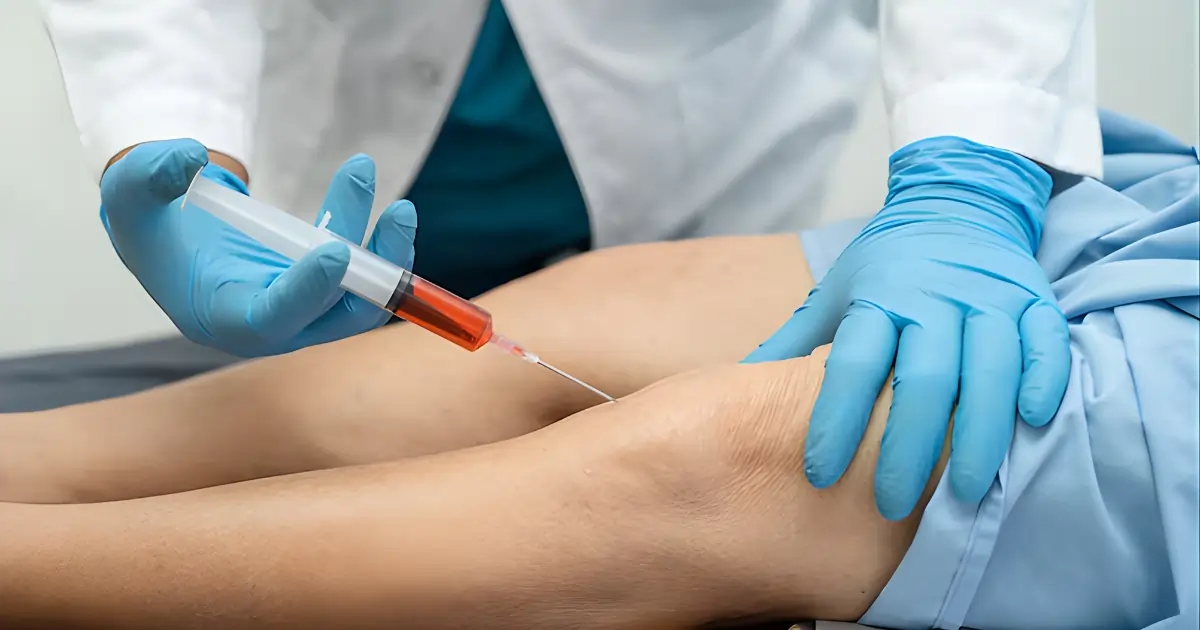
The most visible aspect of the patient with PRP is combined with a systematic plan.
- Reduce pain in day-to-day activities in 2 to 6 weeks.
- Improved stair, squat, and walk performance by 6 to 12 weeks.
- Fewer flares with activity.
- Reduced dependence on pain drugs.
- Delay of more invasive procedures.
Common Treatment Format
- One to three sessions with a 2-4 week gap.
- Eight to twelve weeks of gradual physical exercise.
- Load management, gait training, and hip and quad training.
PRP Procedure, Risk and Recovery
What to expect on the day?
- Examination to rule out candidacy and diagnosis.
- Blood draw, usually 15 to 60 ml.
- Centrifuge PRP to be obtained.
- Preparation of the skin, local anesthesia, and ultrasound-guided injection.
- Short-term observation, followed by discharge.
Knee PRP Recovery And Aftercare
- Days 0 to 3. Relative rest. Ice as needed. Expect soreness. Do not take anti-inflammatory medications without the recommendation of your clinician.
- Week 1 to 2. Gentle range of motion. Light aerobic, like bicycling or swimming.
- Weeks 3 to 6. Sequential strengthening of quads, hips, and calves. Balance and gait drills.
- Week 6 to 12. A gradual increase in activity permits pain, following the steps, intensity, and tolerance of the session.
Dos And Don’ts During PRP Injection Recovery
- Do use low-impact aerobic and short and frequent workouts.
- Follow your rehab plan and monitor the symptoms.
- Do not go into high impact and heavy loads immediately.
- Swelling and sharp pain are not to be disregarded. Modify and inform your practitioner.
Are There Any Side Effects of PRP Injections?
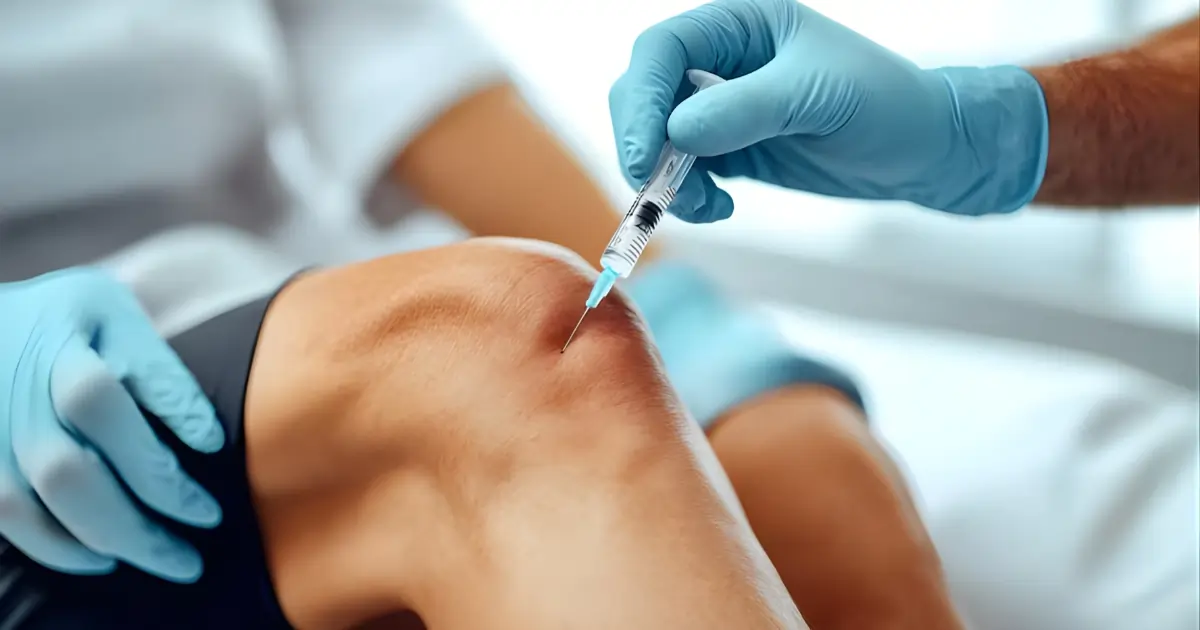
Yes, there can be, but the majority of the side effects caused by PRP injections are mild and temporary.
- Pain, warmth, or swelling of the injection site: 24 to 72 hrs.
- Short burst of pain or temporary stiffness.
- Minor bruise in place of blood draw or injection.
Less common risks:
- Lightheadedness at or following injection.
- Response to skin prep solution instead of PRP.
- Infection is rare with sterile technique.
The majority of problems are provisional soreness and swelling. Bring your medication list, allergies, and previous reactions on your visit.
Conclusion
PRP is an acceptable compromise between surgery and rest. It helps you to repair yourself as you regain your strength and patterns of motion that safeguard the knee. For individuals looking to avoid surgical options, PRP therapy can be a practical step toward recovery.
By taking this path, be informed in advance, embrace every stage of the recovery process, and establish a rehab program to accompany the injection.
To have a tailored examination and a course of action to follow in knee PRP recovery, make an appointment at Conscious Medicine and acquire a schedule that matches your schedule.
Frequently Asked Questions
What do PRP injections consist of?
The plasma contains your own platelets. No donor tissue is used.
How many sessions do I need?
The majority of the plans incorporate one to three injections. The number is influenced by response, goals, and diagnosis.
How long do results last?
There are many individuals who record improvements within 6 to 12 months or more when they exercise regularly and control their weight.
Do I need an X-ray or an MRI first?
Imaging assists in the confirmation of diagnosis and expectation, particularly in osteoarthritis, tendons, or meniscus problems.
Is it possible to be active during a recovery period?
Yes. Movement is strategic in favour of healing. Your strategy has constraints and developments. The use of anti-inflammatory medication around the procedure should be avoided unless it is advisable.
Are PRP injections associated with side effects?
The majority of the effects are short-term and mild. Soreness and swelling may occur in a few days. Reckless incidents do not occur with the technique.