You may have noticed that traditional medicine often focuses on treating symptoms rather than addressing the underlying causes. Functional medicine, on the other hand, takes a
more holistic approach, recognizing that hormonal imbalances can have a profound impact on your overall well-being.
By integrating hormone testing into your healthcare routine, you can gain a deeper understanding of your body’s intricate systems and identify potential issues before they become major problems.
In this article, we’ll explore the benefits of functional medicine hormone testing and how it can empower you to take control of your health.
The Importance of Hormone Balance
Achieving hormone balance is crucial for maintaining optimal health. Hormones play a vital role in regulating various bodily functions, from growth and development to metabolism and mood. Even slight imbalances can have significant consequences on your overall well-being.
The Role of Hormones in Overall Health
Hormones are chemical messengers that transmit signals between cells, tissues, and organs, influencing your body’s response to stress, energy, and emotions. They regulate your appetite, sleep patterns, and libido, among other necessary functions. In essence, hormones are the conductors of your body’s symphony, ensuring that all systems work harmoniously together.
The Consequences of Hormonal Imbalance
The repercussions of hormonal imbalance can be far-reaching and debilitating. You may experience fatigue, weight gain, mood swings, and insomnia, among other symptoms. If left untreated, hormonal imbalances can lead to chronic diseases, such as diabetes, thyroid disorders, and osteoporosis. Therefore, it is essential to balance these hormonal imbalances.
Balance is key when it comes to hormone function. When your hormones are in harmony, you feel energized, focused, and resilient. However, when your hormone levels are out of sync, your body’s delicate balance is disrupted, leading to a cascade of symptoms that can significantly impact your quality of life.
By understanding the importance of hormone balance, you can take proactive steps to maintain optimal health and address any imbalances before they become severe.
What is Hormone Testing?
Assuming you’re new to the concept of hormone testing, let’s start with the basics. Hormone testing is a diagnostic tool used in functional medicine to measure the levels of various hormones in your body. This testing helps healthcare practitioners identify hormonal imbalances, which can contribute to a range of symptoms and health issues.
Hormones and their Functions
- Insulin – Regulates blood sugar levels
- Adrenaline – Responds to stress, increases energy
- Thyroid hormone – Regulates metabolism, growth, and development
- Estrogen – Regulates the female reproductive system and bone health
Top 5 Hormone Tests
Now that you’ve decided to explore functional medicine hormone testing, it’s crucial to understand the top tests recommended in functional medicine. These tests assess hormone levels that can impact your overall health, helping you identify imbalances and areas for improvement. By accurately evaluating your body’s hormonal landscape, you can make informed choices about your health journey.
Comprehensive Hormone Panel
A vital test for understanding your overall hormone health, the comprehensive hormone panel measures various hormones in your body, including estrogen, progesterone, testosterone, and cortisol. This test provides a broad overview of your hormonal status, allowing you to detect potential imbalances that could affect your well-being.
Thyroid Function Tests
To assess your thyroid’s performance, thyroid function tests measure important markers such as TSH, T3, and T4 hormones. These tests help identify if your thyroid is underactive (hypothyroidism) or overactive (hyperthyroidism), both of which can lead to numerous health issues, including fatigue and weight changes.
Hormone imbalances in the thyroid can significantly impact how you feel daily. By investigating your thyroid function, you can uncover underlying issues like fatigue, mood swings, or weight fluctuations. Identifying and addressing these thyroid imbalances ensures that you maintain optimal energy levels, metabolism, and overall health.
Click here to know more about Thyroid Disorders.
Adrenal Function Tests
To evaluate your adrenal health, adrenal function tests measure cortisol levels and assess the adrenal glands’ ability to manage stress. Imbalances in your adrenal hormones can lead to symptoms such as adrenal fatigue, anxiety, and sleep disturbances, impacting your daily life significantly.
Another advantage of adrenal function tests is their ability to provide insights into how your body responds to stress. Stress management is vital for maintaining hormonal balance and overall well-being. By understanding your adrenal status, you can implement strategies to support these glands and improve your resilience to stressors.
Sex Hormone Testing
Any assessment of your reproductive health should include sex hormone testing, which evaluates levels of estrogen, progesterone, and testosterone. These hormones are vital for various bodily functions, including reproduction, mood regulation, and libido. Understanding your sex hormone levels can guide effective treatment strategies tailored to your needs.
Hormone fluctuations in sex hormones can profoundly affect your emotional and physical health. Whether you are experiencing menstrual irregularities, mood swings, or libido changes, evaluating these hormones provides critical insights. By addressing any imbalances, you can work towards restoring your overall health and well-being.
Insulin and Glucose Testing
Hormone imbalances related to insulin and glucose can significantly impact your metabolic health. Insulin and glucose testing measures how well your body responds to sugar and regulates blood sugar levels. Imbalances in these hormones can lead to conditions like insulin resistance and diabetes, which can severely affect your quality of life.
Function testing for insulin and glucose is vital for assessing your metabolic health. By understanding your body’s response to glucose, you can make informed dietary and lifestyle choices to optimize your health. Early detection of insulin resistance or glucose dysregulation can help you take preventative measures, reducing your risk for chronic diseases.
How Functional Medicine Hormone Testing Works
To understand how this testing works, it’s crucial to know that hormones are chemical messengers produced by endocrine glands in your body. These hormones regulate various bodily functions, from growth and development to metabolism and energy.
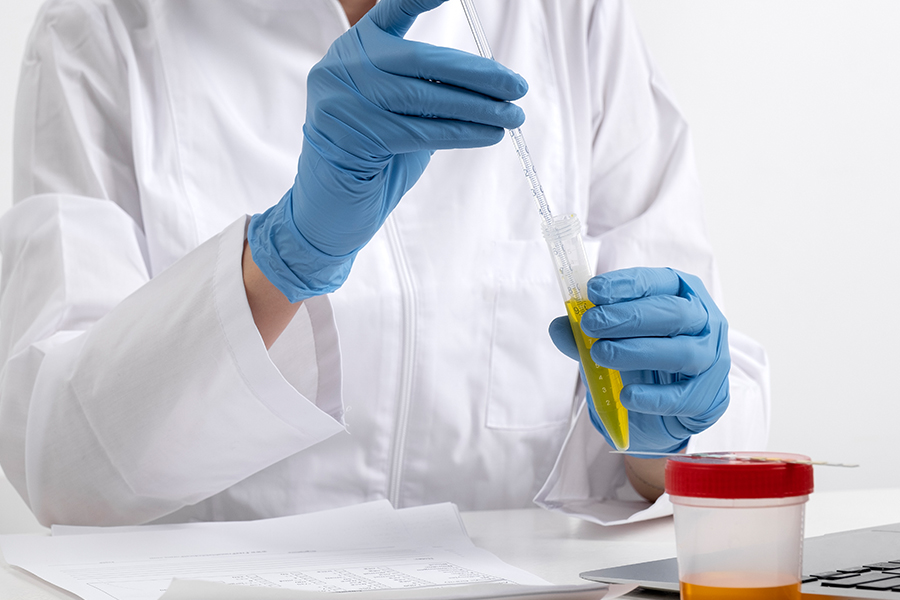
Hormone testing involves measuring the levels of these hormones in your blood, saliva, or urine. This is typically done through a simple blood draw or collection of a saliva or urine sample. The sample is then sent to a laboratory for analysis, and the results are used to identify any hormonal imbalances or deficiencies. By identifying these imbalances, your healthcare practitioner can develop a personalized treatment plan to help restore balance to your hormone levels and alleviate symptoms.
The Benefits of Hormone Testing
It is imperative to understand the benefits of hormone testing in functional medicine, as it plays a crucial role in identifying and addressing hormonal imbalances that can significantly impact your overall health and wellbeing.
Identifying Hormonal Imbalances
Hormonal harmony is vital for maintaining optimal health, and hormone testing helps identify any imbalances that may be affecting your mood, energy levels, and overall quality of life. By pinpointing these imbalances, you can take the necessary steps to restore balance and alleviate symptoms.
Personalized Treatment Plans
Hormone testing enables healthcare practitioners to create personalized treatment plans tailored to your unique needs. This approach ensures that you receive targeted therapies and interventions that address the root causes of your hormonal imbalances.
Another significant advantage of functional medicine hormone testing is that it allows your healthcare provider to monitor your progress and adjust your treatment plan as needed. This collaborative approach empowers you to take an active role in your healthcare, making informed decisions about your treatment options.
Preventing Chronic Diseases
One of the most significant benefits of hormone testing is its potential to prevent chronic diseases. By identifying hormonal imbalances early on, you can take proactive steps to mitigate the risk of developing conditions such as osteoporosis, diabetes, and cardiovascular disease.
Diseases such as thyroid disorders, adrenal fatigue, and polycystic ovary syndrome (PCOS) are often linked to hormonal imbalances. By addressing these imbalances through hormone testing and personalized treatment plans, you can reduce your risk of developing these chronic conditions and maintain optimal health throughout your life.
How Does Functional Medicine Approach Hormone Testing?
Despite the prevalence of hormone-related disorders, conventional medicine often falls short in addressing the complex interplay of hormones in your body. Functional medicine, on the other hand, takes a comprehensive approach to hormone testing, recognizing that hormonal balance is crucial to overall health.
A Holistic Perspective
Comprehensive hormone testing is rooted in a holistic understanding of your body’s intricate systems. By examining the interconnectedness of your hormones, functional medicine practitioners can identify patterns and imbalances that may be contributing to your symptoms.
Addressing Underlying Causes
Testing for hormone levels is just the beginning. Functional medicine digs deeper to uncover the underlying causes of hormonal imbalances, such as nutrient deficiencies, environmental toxins, or genetic predispositions.
With this approach, you can expect to explore potential triggers and contributing factors, such as stress, sleep patterns, and diet, to gain a deeper understanding of your hormonal landscape. By addressing these underlying causes, you can restore balance to your hormone system and alleviate symptoms.
Lifestyle Factors Affecting Hormone Levels
Your lifestyle choices play a crucial role in regulating your hormone levels. Factors such as stress, diet, sleep, and physical activity can significantly impact hormonal balance. Understanding and managing these aspects can lead to improved health outcomes. Consider these lifestyle influences:
- Stress Management
- Diet and Nutrition
- Exercise
- Sleep Quality
- Substance Use
Any changes you make in these areas can positively influence your hormonal health.
Diet and Nutrition
To optimize hormone levels, focus on a well-balanced diet rich in whole foods, healthy fats, lean proteins, and fiber. Foods high in nutrients, such as vegetables, fruits, and whole grains, support hormonal function. Additionally, reducing processed foods and sugars can stabilize insulin levels, which is vital for hormonal balance.
Exercise and Sleep
One of the most effective ways to manage your hormones is through regular exercise and quality sleep. Physical activity helps to reduce stress levels and support the balance of hormones such as insulin and cortisol. Equally important, prioritizing restorative sleep allows your body to recover and maintain hormonal equilibrium.
Another critical aspect is understanding the relationship between physical activity and sleep. Engaging in regular exercise not only improves your cardiovascular fitness but also promotes deeper sleep cycles. When you combine consistent workouts with sufficient sleep, you help your body regulate hormones more effectively, which can lead to improved mood, energy levels, and overall well-being.
Integrating Conventional and Alternative Therapies
Underlying the functional medicine approach is a commitment to integrating conventional medical wisdom with alternative therapies. This means that your practitioner may recommend a combination of pharmaceutical interventions, nutritional supplements, and lifestyle modifications to support your hormonal balance.
Alternative therapies, such as herbal remedies or mind-body practices, may also be incorporated into your treatment plan to promote relaxation, reduce stress, and enhance overall well-being. By considering the full range of therapeutic options, functional medicine practitioners can create personalized treatment plans that address your unique needs and health goals.
What to Expect from Hormone Testing?
Not knowing what to expect from hormone testing can make the process intimidating. However, understanding the steps involved can help you feel more comfortable and prepared.
Preparing for the Test
Any preparation for hormone testing will depend on the specific test your healthcare provider has ordered. You may be asked to avoid certain medications, fast for a certain period, or collect a sample at a specific time of day. Be sure to follow your provider’s instructions carefully to ensure accurate results.
Interpreting Test Results
For hormone testing, understanding your results is crucial. Your healthcare provider will review your test results with you, explaining what each value means and how it relates to your symptoms.
Test results will typically include a range of values for each hormone, indicating whether your levels are within a normal range or not. Your provider will help you identify any imbalances and how they may be contributing to your symptoms. This information will serve as a foundation for creating a personalized treatment plan.
Creating a Treatment Plan
With test results in hand, you and your healthcare provider will work together to develop a treatment plan tailored to your specific needs. This may involve lifestyle changes, nutritional supplements, or hormone replacement therapy, among other options.
Testing and treatment are not one-size-fits-all approaches. Your provider will consider your unique situation, medical history, and test results to create a plan that addresses your specific hormonal imbalances and health goals. With a comprehensive treatment plan in place, you can begin to experience relief from your symptoms and improve your overall well-being.
Summing up
With this in mind, you now have a better understanding of the importance of hormone testing in functional medicine. By identifying hormonal imbalances, you can take proactive steps to address the root causes of your symptoms rather than just treating the surface-level effects. By working with our functional medicine practitioner in Atlanta, you can use hormone testing to unlock a deeper understanding of your body’s unique needs and create a personalized plan to restore balance and promote optimal wellness.
FAQs
Q: What types of hormones are typically tested in functional medicine?
A: In functional medicine, a range of hormones may be tested, including thyroid hormones (TSH, Free T3, Free T4), adrenal hormones (cortisol, DHEA), sex hormones (estrogen, progesterone, testosterone), and insulin. The specific hormones tested may vary depending on the individual’s symptoms and health concerns. For example, a woman experiencing menopausal symptoms may have her estrogen and progesterone levels tested, while a man experiencing low libido may have his testosterone levels tested.
Q: How is hormone testing typically performed in functional medicine?
A: Hormone testing in functional medicine is often performed using non-invasive methods, such as saliva testing, urine testing, or blood testing. Saliva testing is a popular method because it is easy to collect samples at home and can provide a snapshot of hormone levels over time. Urine testing may be used to measure hormone metabolites, while blood testing may be used to measure hormone levels in the bloodstream. The choice of testing method depends on the individual’s health concerns and the type of hormones being tested.
Q: What are some common signs and symptoms that may indicate a need for hormone testing?
A: There are many signs and symptoms that may indicate a need for hormone testing. These include fatigue, weight gain or loss, mood changes (anxiety, depression, irritability), sleep disturbances, low libido, infertility, menstrual irregularities, and thyroid-related symptoms (hair loss, cold intolerance, etc.). If you are experiencing any of these symptoms, it is a good idea to consult with a functional medicine practitioner who can determine if hormone testing is necessary.