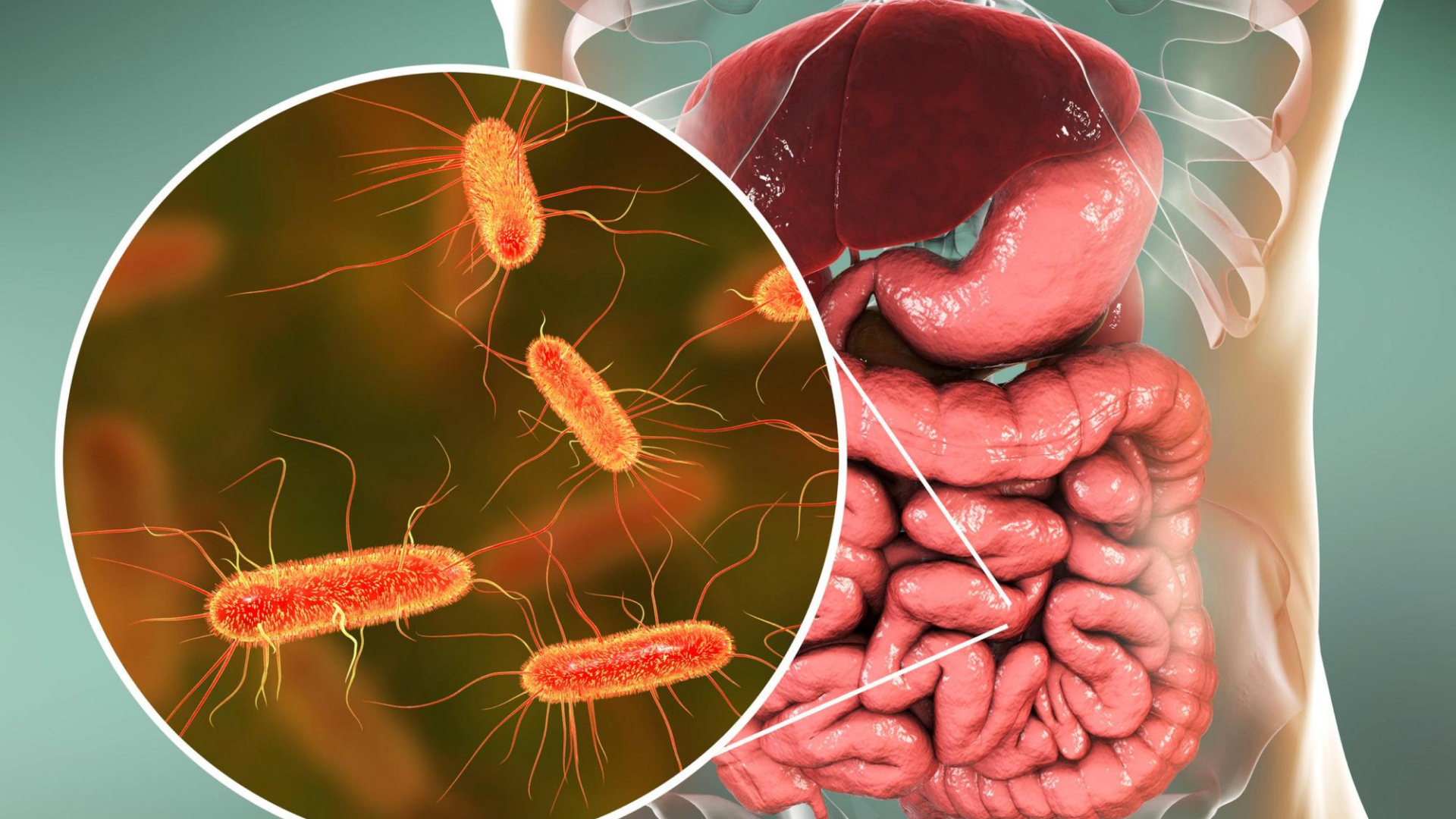
SIBO, or Small Intestinal Bacterial Overgrowth, as the abbreviation is also known, is a condition that plagues the population of millions in the world, though the phenomenon has not been commonly known. The causes of SIBO may be what is causing your problem, in case you are experiencing unexplained stomach issues, bloating, or stomach pain.
SIBO is a condition that develops when the bacteria that would otherwise be present in the large intestine migrate and grow in the small intestine. This kind of imbalance in bacteria will lead to uncomfortable symptoms and serious health conditions if not treated.
Educating yourself on the causes of SIBO will help you to be aware of potential triggers and to cooperate with medical workers in order to develop effective therapy plans. In the case of Conscious Medicine, integrative medicine is functional in that the causes are treated rather than the symptoms.
What are the Root Causes of SIBO?
The underlying causes of SIBO are connected with the impairments of the normal processes of your body that help to provide bacteria with their correct locations. There are many protective mechanisms that are built into your digestive system so that the bacteria cannot overgrow.
Through these protective mechanisms, the bacteria may escape the large intestine into the small intestine and multiply at a high rate if they fail. Knowing what these natural defenses are disrupted will be used to determine the particular triggers of SIBO in an individual.
SIBO is largely a combination of factors as opposed to one factor. This is the reason why the methods of functional medicine, when all the underlying factors are addressed, are more likely to be successful, as compared to treatments that target only one of the factors.
8 Main Causes of SIBO
Knowing the main causes of SIBO can help you recognize which of the factors can be the reasons for your condition. Each of these causes influences your digestive system in a different way, yet all the causes may cause bacterial overgrowth.
1. Low Stomach Acid
One of the most widespread causes of SIBO is low stomach acid. To destroy the bacteria and other bad microorganisms in food, your stomach secretes acid.
In a case when there is a low level of stomach acid, the bacteria may make it to your small intestine in their live form. These surviving bacteria, in turn, increase and cause overgrowth.
Some causes that inhibit the production of stomach acids involve aging, chronic stress, some medications and autoimmune diseases. Heartburn drugs that inhibit proton pumps are also a cause of concern since they significantly decrease the production of acid.
2. Motor Complex Dysfunction Migration
This is because the Migrating Motor Complex is the natural cleaning of your intestine. It produces the effect of waves that scrub your small intestine openings up into your large intestine and cleans the gunk out of your body.
This cleaning process occurs as the digestive system is at rest, usually between meals. In cases where the MMC fails to do the right job, the bacteria may be left in the small intestine and proliferate.
Some of the conditions that interfere with the functionality of MMC are regular snacking, some drugs, diabetes, hypothyroidism, and chronic stress. Nerves that control MMC functions may also be destroyed as a result of food poisoning.
3. Intestinal Nerve and Muscle Dysfunction
The intestines depend on very sophisticated nerve and muscle coordination that helps the food and bacteria to traverse your digestive tract in the right way. In case of malfunction of these systems, the usual intestinal motility decelerates.
The low motility rate gives bacteria increased time to multiply within the small intestine before they are moved into the large intestine. This forms the perfect environment for the development of SIBO.
Diabetes and autoimmune diseases, together with infections or specific medications, may cause nerve damage. The dysfunction of the muscles can be a result of connective tissue disorders, thyroid issues, or chronic inflammation.
4. Disturbed Bile Secretion and Pancreatic Enzyme Release
Bile and digestive enzymes assist in the breakdown of food, and they possess natural antibacterial effects. Bacteria can overgrow easily when there is a hindrance in the production or flow of these substances.
Your liver produces the bile, which is stored in your gallbladder. It aids in the digestion of fats and also acts as an antimicrobial, which aids in the control of the bacteria in your intestines.
Such disorders as bile flow, gallbladder disease, liver issues, and pancreatic insufficiency. Inadequate bile flow is frequently disregarded as one of the causes of SIBO, but it may be extremely important.
5. Stress
Chronic stress has a great effect on your digestive system, and it is one of the significant causes of SIBO that should not be overlooked by many people. There are various ways that stress influences digestion.
Stress inhibits the production of stomach acid, decreases the motility of the intestine, and compromises immunity. All this predisposes to bacterial proliferation in the small intestine.
The gut-brain relationship is such that emotional and psychological stress has a direct impact on your digestive system. The balance of bacteria in all the parts of your intestines may be disrupted by chronic stress.
6. Food Poisoning
The development of SIBO can be aggravated by food poisoning, which leads to the development of post-infectious IBS. The infection destroys nerve cells of the intestines and changes the pattern of normal motility.
The digestive damage may last months or even years, even after the original infection has cleared. This provides continued favorable conditions for bacterial overgrowth.
The bacteria that can cause SIBO include Campylobacter, Salmonella, Shigella, and E. coli. A large number of individuals with SIBO have the ability to pinpoint their symptoms to a certain food poisoning episode.
7. Slow Bowel Transit
Constipation is also referred to as slow bowel movement, which gives bacteria additional time to multiply in the small intestine before being expelled. This is among the mechanical causes of SIBO.
The usual bowel passage is 12 to 48 hours after eating to expelling. Bacteria get more time to proliferate in the wrong location when there is a longer transit time.
Slow bowel transit is caused by dehydration, low fiber consumption, physical inactivity, some drugs and many diseases such as hypothyroidism.
8. Medications
A variety of drugs may also lead to the development of SIBO, interfering with the natural defenses of the body against bacterial invasion.
Proton pump inhibitors lower the amount of stomach acid, and bacteria are able to pass through the stomach. Antibiotics may cause an imbalance in the natural bacteria of the entire digestive tract.
Opioid analgesics reduce bowel movements, which provides bacteria with additional time to multiply. Other drugs with possible contribution include antidepressants like tricyclic antidepressants, alcohol, some blood pressure medications and antispasmodics.
Conclusion
To treat and prevent SIBO, it is necessary to know its causes. There are eight primary causes, namely low stomach acid, MMC dysfunction, nerve and muscle problems, altered bile flow, stress, food poisoning, slow transit and medications.
SIBO is not often caused by one factor only, and that is why complex methods covering a variety of factors are the most likely to be successful. Physicians of functional medicine, including Conscious Medicine, focus on root cause identification and treatment.
The trick to success is to realize that SIBO is not always an illness, but a manifestation of some underlying digestive dysfunction. With a solution to these deeper problems, you will be able to resume normal digestive activity and long-term digestive health.
FAQs
What is the most common cause of SIBO?
Low stomach acid is considered one of the most common causes of SIBO because it allows bacteria to survive the stomach and move into the small intestine.
Can stress cause SIBO?
Yes, chronic stress can lower stomach acid, slow digestion, and weaken gut immunity, all of which can increase the risk of SIBO.
Does food poisoning lead to SIBO?
Food poisoning is a major trigger of post-infectious IBS, which can damage intestinal nerves and disrupt motility, leading to SIBO.
Can medications cause SIBO?
Certain medicines like proton pump inhibitors, antibiotics, opioids, and antidepressants can disrupt gut bacteria and motility, increasing SIBO risk.
How does slow motility contribute to SIBO?
Slow bowel transit gives bacteria more time to multiply in the small intestine, leading to bacterial overgrowth.
Is low stomach acid related to SIBO?
Yes, low stomach acid allows bacteria that should be killed in the stomach to reach the small intestine and grow.
Does bile flow affect SIBO?
Reduced bile secretion can lower the natural antimicrobial protection in the gut, allowing bacteria to overgrow.
Can SIBO have more than one cause?
Most SIBO cases are due to multiple combined factors rather than a single cause, which is why root-cause-based treatment works best.